Parasitic Worms in Fish
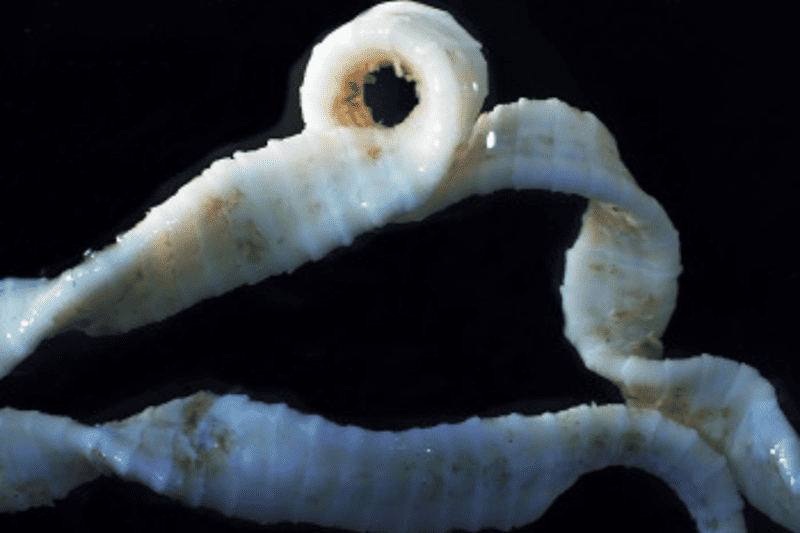
Dubbed the “Death Worm from the deep,” this enigmatic species, formally known as Diphyllobothrium fervio, has sparked a wave of fascination and dread in equal measure. The Zombie Fish Worm wreaks havoc on unsuspecting humans who dare to indulge in undercooked seafood delicacies. Upon ingestion, it launches a silent invasion, commandeering the host’s nervous system and transforms the victim into a puppet of its will.
The catastrophic consequences of this parasitic manipulation led to the infamous Zombie Fish Worm Outbreak of 2017, a harrowing event that etched its name in medical history as one of mankind’s darkest pandemics, drawing urgent attention from global health authorities. Similar to its tapeworm relatives, such as Taenia and Diphyllobotrium latum, the Zombie Fish Worm exhibits a distinctive preference for seawater hosts, setting it apart in parasitology. Its favored prey includes illustrious ocean denizens like tuna, mackerel, and salmon.
The life cycle of this parasitic fiend mirrors that of its freshwater counterpart, D. latum, charting a perilous journey from eggs excreted by infected hosts to the eventual consumption by unwitting humans. Once ingested, the larvae embark on a clandestine odyssey through the host’s body, culminating in the insidious takeover of its neurological command center—a chilling testament to nature’s capacity for subversion.
Diagnosing and treating this parasitic scourge prove to be Herculean tasks, with conventional deworming medications offering only fleeting respite against its relentless onslaught. For those ensnared in its grip, the only recourse lies in the grim reality of euthanasia—a stark reminder of the dire consequences wrought by nature’s dark creations. In the face of this existential threat, prevention emerges as the ultimate bulwark against the encroaching tide of zombification.