Zombifying Parasitoid Wasps
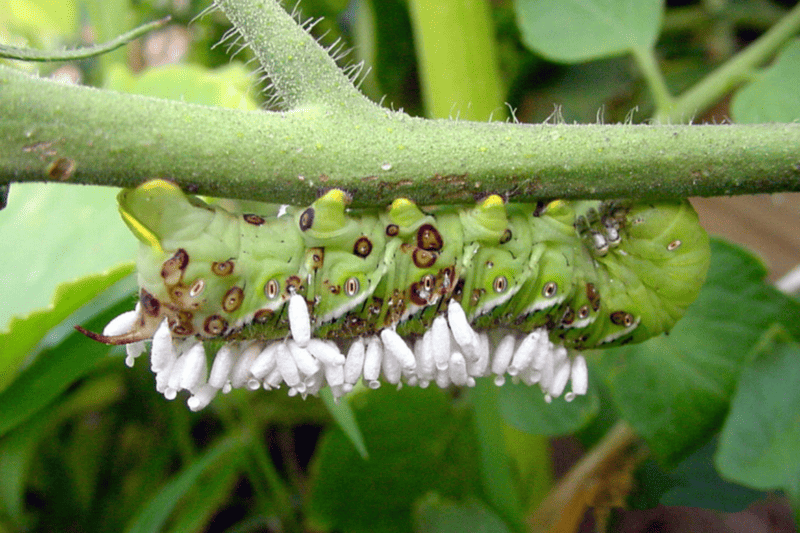
Amidst the buzzing of bees and the fluttering of butterflies, lies a realm largely unseen yet profoundly influential: the realm of Parasitoid Wasps. These tiny yet formidable creatures, ranging from minuscule Trichogramma spp. to the colossal Giant Ichneumon Wasp, wield an arsenal of biological weaponry that rivals even the most chilling horror tales.
With their slender bodies and formidable ovipositors, they embark on a gruesome journey into the lives of unsuspecting hosts, turning them into unwitting vessels. They often target a single host species, infiltrating their bodies with eggs that hatch into voracious larvae. Whether developing internally or externally, these parasitic progeny ultimately spell doom for their unwitting hosts. Gardeners may unwittingly stumble upon these grim scenes, encountering aphid mummies or the telltale signs of Braconid Wasp cocoons.
Some species, like Aphidius Colemani and Trichogramma spp., are allies in the war against agricultural pests, offering a natural alternative to chemical pesticides. Their efficacy, however, hinges upon the delicate balance of nature, where the presence of diverse floral resources and the preservation of parasitized hosts are paramount. Yet, despite their crucial role, Parasitoid Wasps often dwell in the shadows of obscurity, their importance overlooked and their populations imperiled. Conservation efforts must extend beyond the cessation of broad-spectrum insecticides to encompass the nurturing of habitats that sustain these unsung heroes.