Legal and Privacy Implications: The Gray Areas
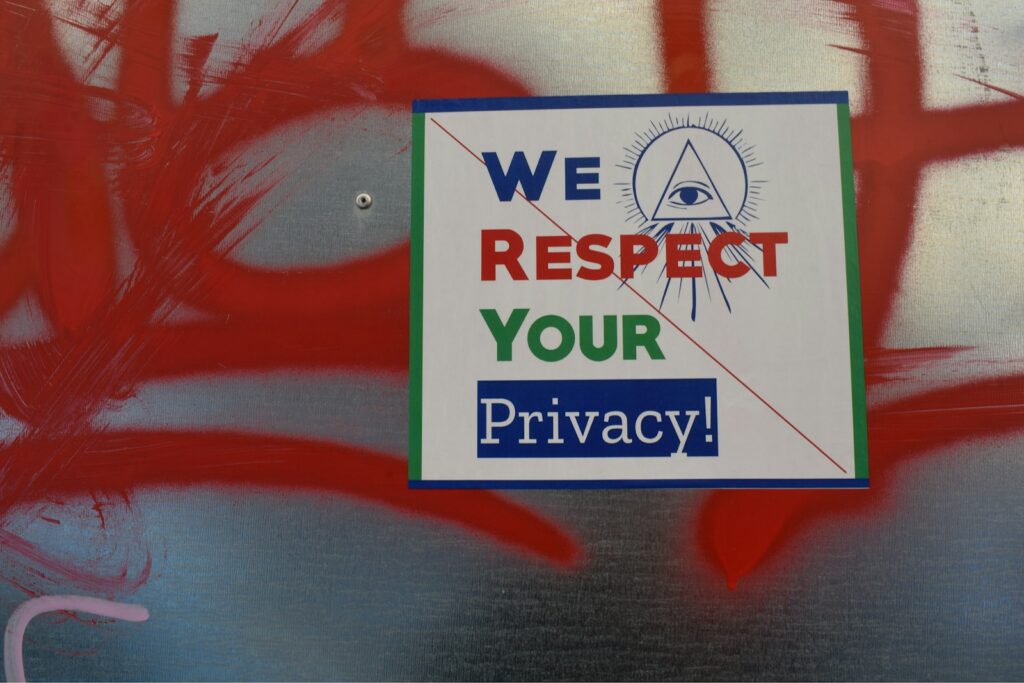
The legal landscape around acoustic eavesdropping remains murky, with laws struggling to keep pace with technological capabilities. In many jurisdictions, recording audio in public spaces is legal, creating loopholes that attackers can exploit for keystroke surveillance. Privacy laws vary significantly between countries, and what constitutes consent for audio recording in ambient sound capture contexts is often unclear, leaving victims with limited recourse.