How Can We Find Earth-Like Planets?

It has become pretty necessary to find Earth-like planets and detect whether life sustainability is possible there. Climate change and global warming have put humankind in danger, and we are daily facing threats. Hence, scientists have been continuously working towards finding earth-like planets. The main motive behind the discovery of exoplanets was to discover whether there were any life sustainability elements present in its atmosphere.
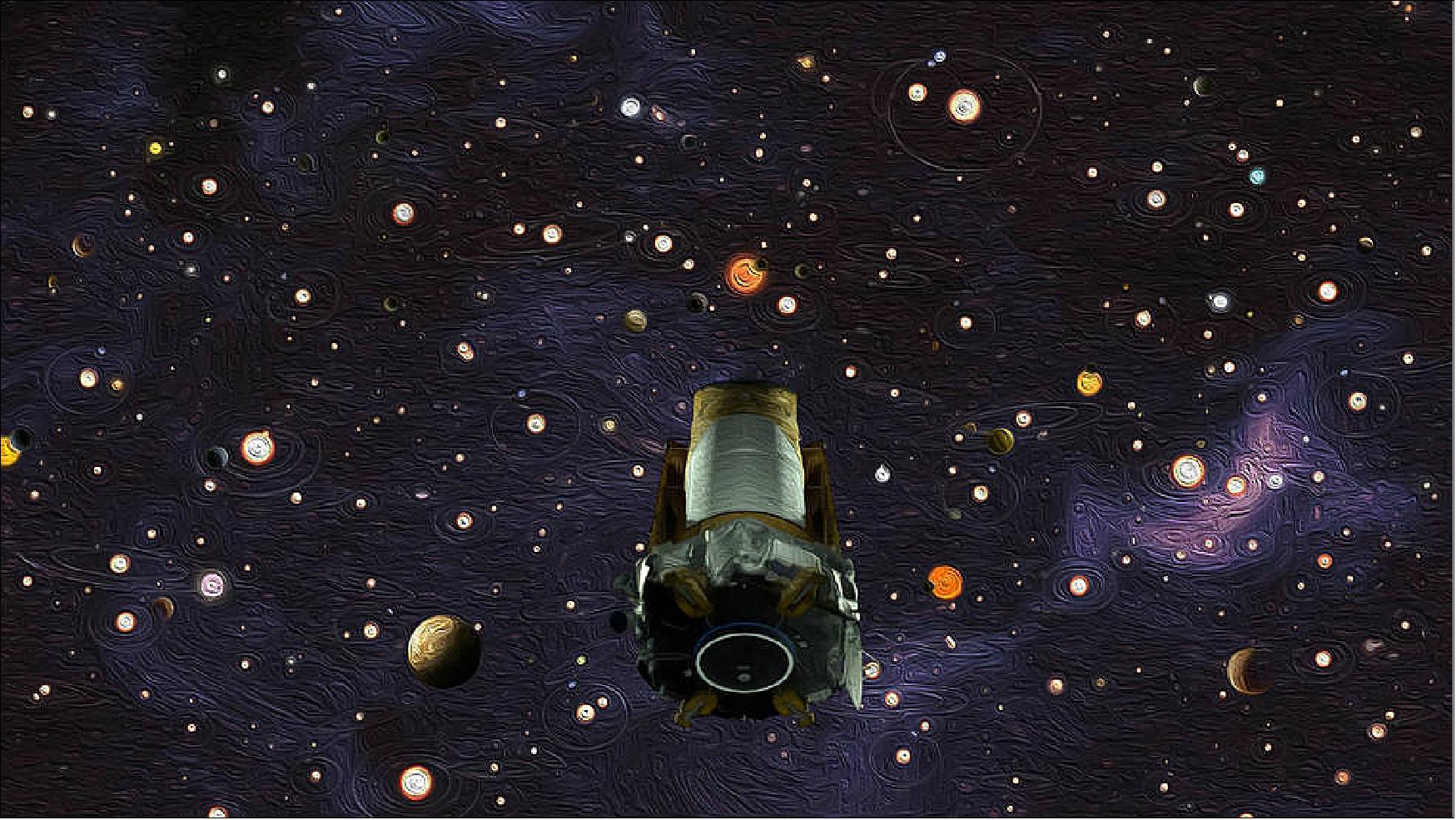
NASA launched a spacecraft called Kepler in 2009 that was primarily designed to look for exoplanets. Kepler was sent into the dark space to look for planets of all sizes and masses. It generally targeted the bodies that orbited around the stars. Some of the planets that were discovered by Kepler were rocky and very distant from their parent stars. There was a sweet spot between the planet, and the star called the habitable zone where life can be sustained.
Kepler used the transit method to detect the existence of the exoplanets. The light of the star changes when Kepler passes its way which helped them figure out the size, temperature, and atmosphere of the planet. Examining the time between the transit, scientists can find the distance between the planet and the star. As mentioned at the beginning of the article, Kepler is getting an up-gradation with TESS, and with this, more exoplanets are waiting to be discovered.