
When researchers examined 23 fossil teeth from at least 20 individuals of the ancient human relative Homo naledi, they expected to find the usual biological mix — some male, some female. Instead, they found a complete absence of male protein markers across every single specimen, a result so statistically improbable that it has forced scientists to rethink what they know about one of paleoanthropology’s most enigmatic species.
Zero male markers across all 23 teeth examined
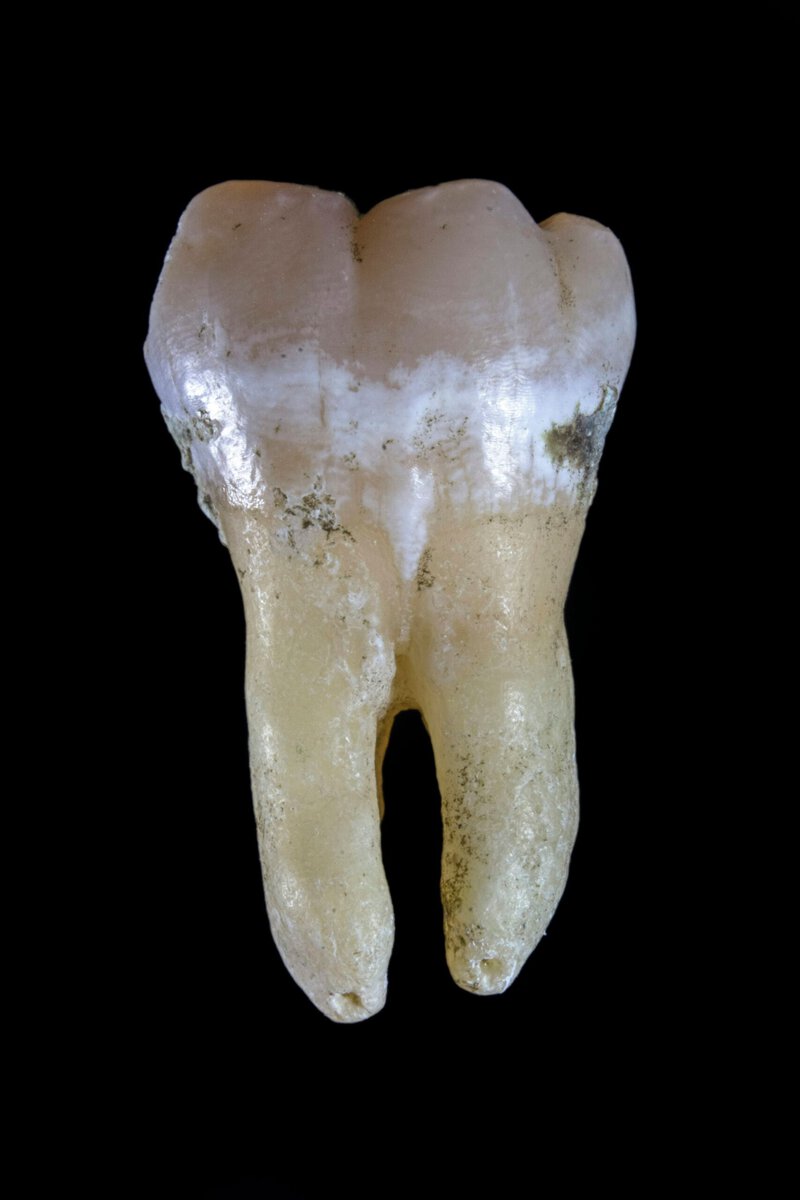
Researchers analysed ancient proteins preserved in the tooth enamel of 23 fossil teeth representing at least 20 Homo naledi individuals and found a complete absence of male-specific protein markers in every single specimen. Statistically, a sample of 20 or more individuals drawn from a typical mixed population would be expected to include at least some biological males, making an all-female result a striking and unexplained anomaly.
The finding was described by researchers as unexpected — not as a confirmation of any prior hypothesis about the population’s composition. No existing model of Homo naledi behaviour or burial practice had predicted that the recovered assemblage would skew so dramatically in one biological direction.
The first protein analysis ever performed on Homo naledi fossils
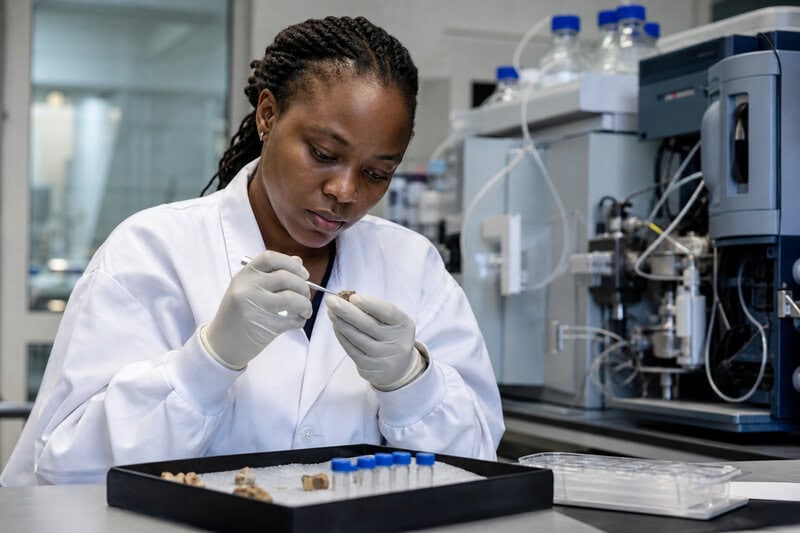
This study marks a scientific first: no proteomics — the large-scale study of proteins — had previously been applied to Homo naledi remains since the species was formally described in 2015. The technique examines proteins preserved in tooth enamel, one of the hardest biological tissues in the vertebrate body, which can survive for hundreds of thousands of years under the right conditions. As reported by EurekAlert at the time of the study’s release, opening this analytical window on Homo naledi means future investigations can now build on a proven methodology for the species.
The successful extraction of readable protein data from these fossils is itself a significant methodological achievement, demonstrating that enamel proteomics is viable for this particular hominin lineage and potentially for other African fossil species that have resisted DNA-based analysis.
How tooth enamel reveals biological sex without any DNA
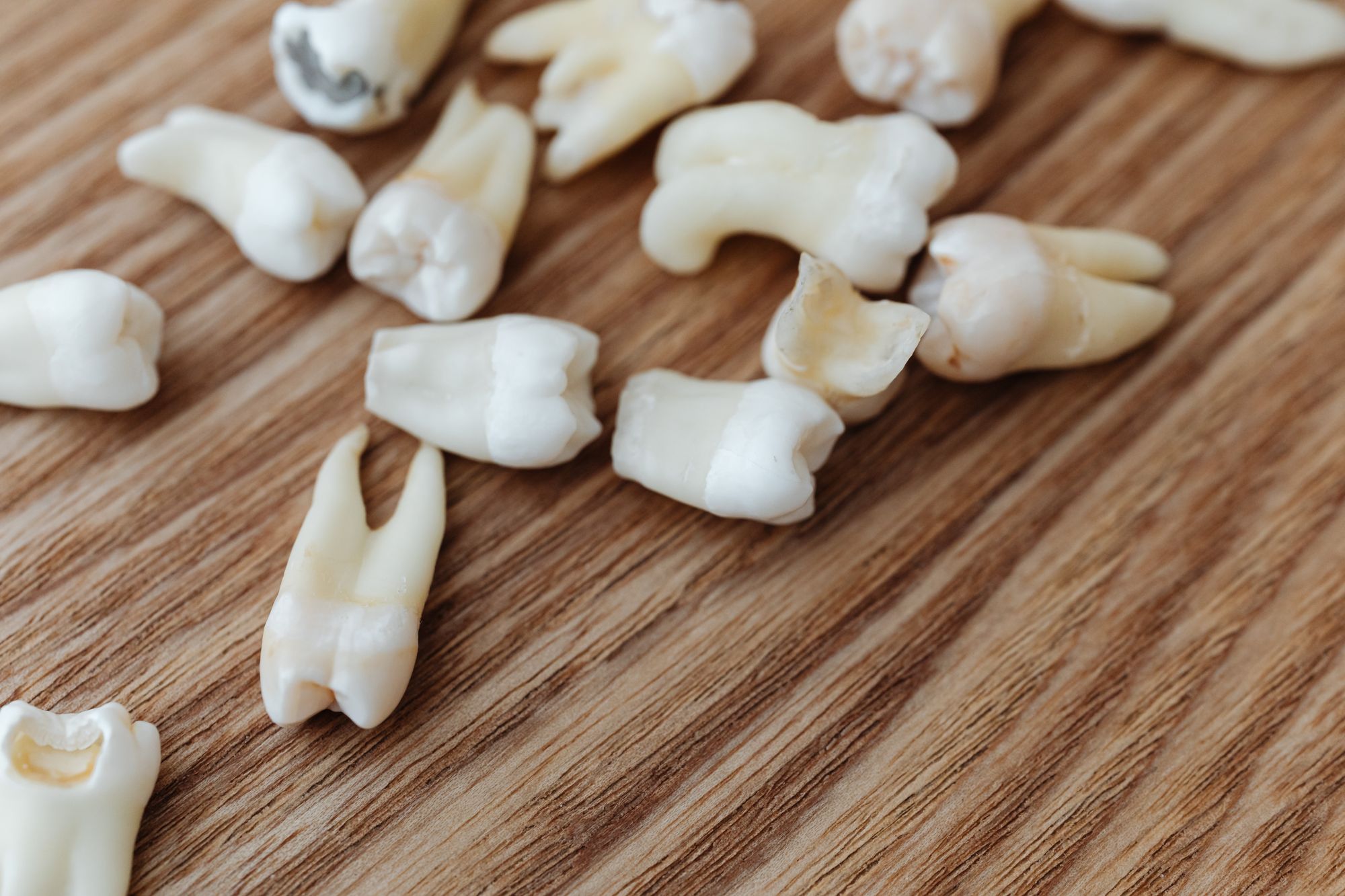
The key marker researchers searched for is a male-specific protein encoded by a gene located on the Y chromosome; its presence or absence in preserved enamel can indicate biological sex without requiring any DNA whatsoever. This is a crucial distinction in African paleoanthropology, because ancient DNA degrades rapidly in warm, humid climates like South Africa’s, rendering it largely unusable for Homo naledi fossils that have lain in cave sediments for hundreds of thousands of years.
The successful protein extraction from these specimens confirmed that Homo naledi enamel is capable of preserving ancient biomolecules at a level sufficient for rigorous scientific examination — a finding that broadens the toolkit available for studying hominin sex determination in fossils where DNA recovery would be impossible.
Why ancient proteins survive when ancient DNA cannot
DNA is a chemically fragile molecule that breaks down quickly when exposed to heat and humidity; the South African climate has historically been considered hostile to long-term DNA preservation in hominin fossils, and attempts to recover usable ancient DNA from Homo naledi specimens have not succeeded. Proteins, by contrast, can bind tightly to the mineral crystals that make up tooth enamel — a calcium phosphate compound called hydroxyapatite — effectively becoming encased within the mineral matrix and shielded from environmental degradation for geological timescales.
As Open Access Government noted in its coverage of the study, this durability makes enamel proteomics an increasingly important tool in paleoanthropology, particularly for African fossil sites where repeated attempts at ancient DNA recovery have failed. The technique is already transforming what scientists can learn about deep-time human relatives for whom the genomic record is effectively closed.
Homo naledi — an already deeply puzzling human relative
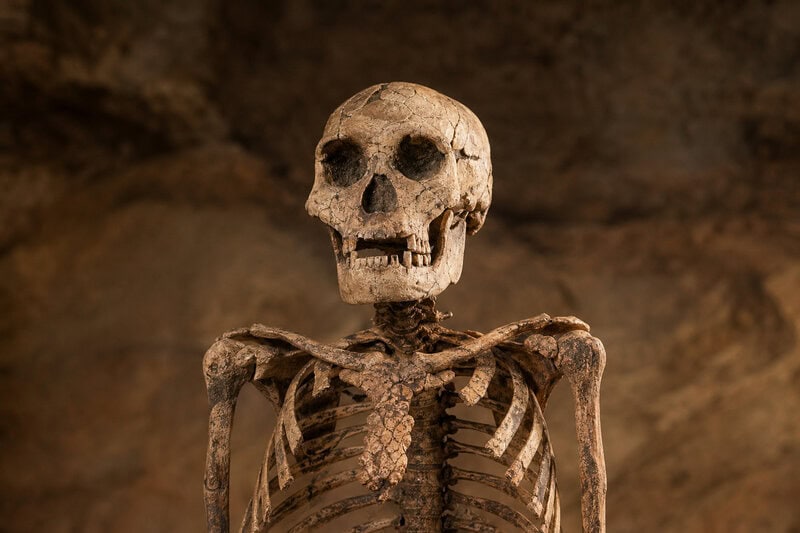
Homo naledi is an extinct archaic hominin discovered in South Africa’s Rising Star cave system and formally described by a team led by paleoanthropologist Lee Berger in 2015. The species displays a remarkable mosaic of primitive and modern anatomical features: its brain was roughly one-third the size of a modern human’s, yet its hands, feet, and overall body proportions bear a closer resemblance to Homo sapiens than to earlier australopithecines.
Its precise position on the hominin family tree, its age, and its relationship to other archaic human relatives remain subjects of active and sometimes contentious scientific debate — a context that makes any new biological finding about the species particularly significant and closely scrutinised by the research community.
The Rising Star cave deposit now looks even harder to explain
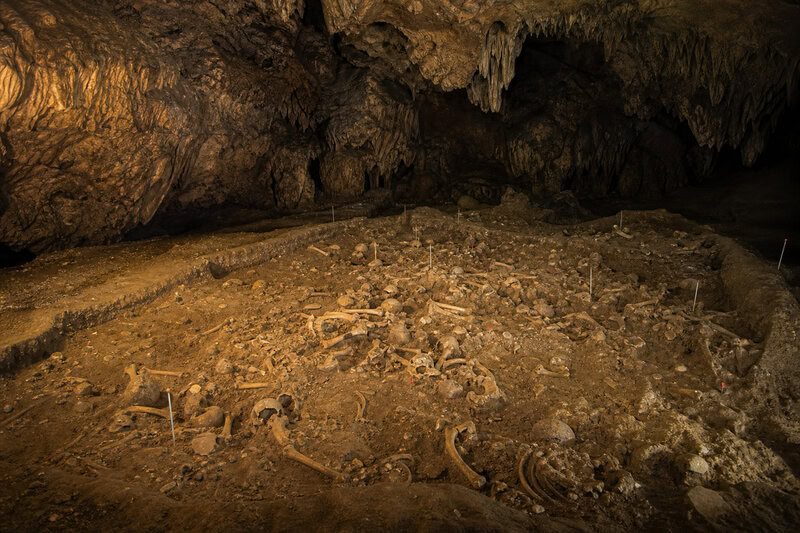
All Homo naledi fossils analysed in this study come from the Rising Star cave system, where hundreds of bones from multiple individuals have been recovered from a confined underground chamber deep within the cave network. An apparently all-female assemblage raises new and unresolved questions about how and why these specific individuals — and seemingly no males — came to be deposited together in this location, potentially over an extended period of time.
Competing hypotheses for the accumulation of remains at Rising Star — including deliberate body disposal by the hominins themselves, a proposal that generated considerable debate when first advanced — now require re-evaluation in light of this sex-composition finding. If the assemblage is genuinely all-female, none of the existing explanatory models fully accounts for it.
What the finding means for reading sex dimorphism in fossil hominins
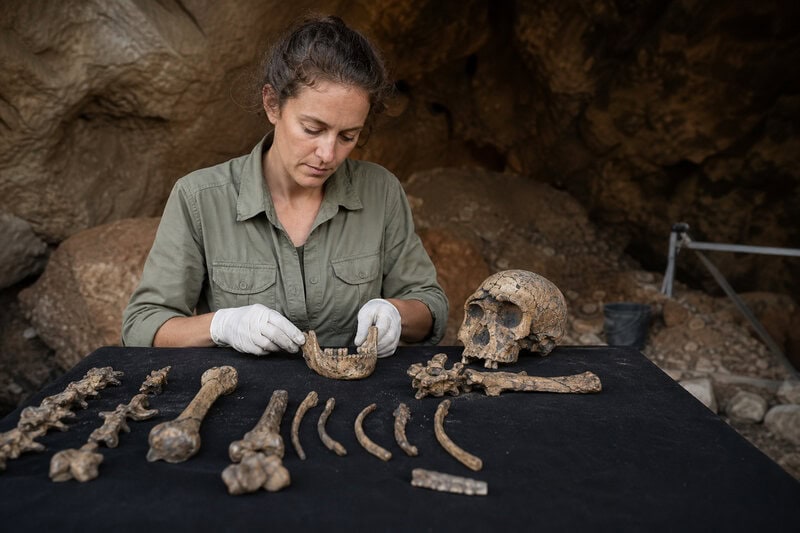
Sex dimorphism refers to measurable biological differences between males and females of a species; in many hominins, including earlier australopithecines such as Australopithecus afarensis, males were substantially larger than females in body size and skeletal robustness. Because skeletal size variation within the Rising Star assemblage had previously been interpreted by some researchers as possible evidence of both sexes being present, the new protein findings directly challenge that skeletal reading.
If the assemblage is truly all-female, the size variation observed among Homo naledi individuals may instead reflect age differences, individual biological variation, or other factors entirely unrelated to sex — a reinterpretation with broad implications for how paleoanthropologists use skeletal morphology to infer sex dimorphism in ancient hominins more generally.
European Research Council backing and what it signals about the research’s rigour
The research received support through European Research Council channels, meaning it passed a competitive scientific funding review process before results were published. ERC funding requires applicants to demonstrate both methodological rigour and scientific novelty — lending additional credibility to the proteomics approach employed in this study and to the quality controls applied during analysis.
Institutional backing does not guarantee that conclusions are correct, and the authors themselves have been careful to frame their findings as surprising rather than definitive. Nevertheless, ERC-supported research undergoes peer review at the funding stage as well as at publication, which distinguishes this work from preliminary or preprint-only findings that have not yet faced that level of external scrutiny.
An absence of evidence treated carefully — not yet a confirmed all-female population
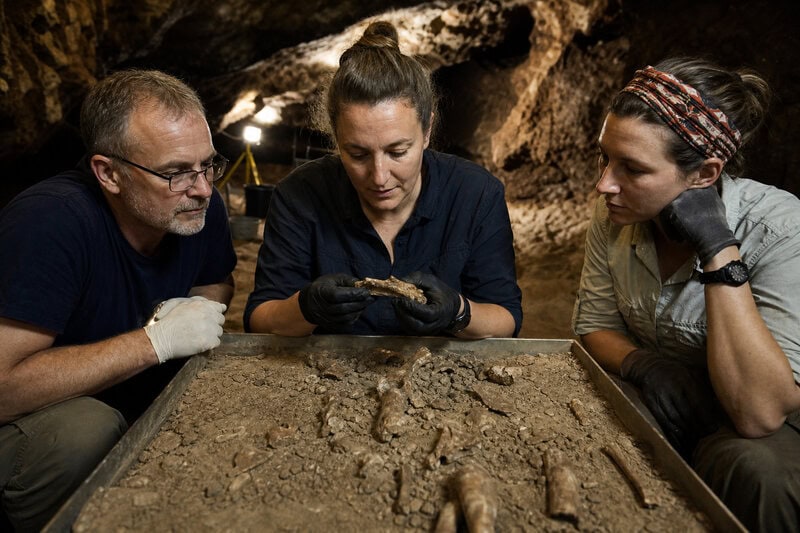
The study found no male markers, but researchers stopped short of declaring definitively that all Homo naledi individuals at Rising Star were female — because the absence of a detectable signal is not always identical to confirmed biological absence. Taphonomic factors — the geological and biological processes that affect how organisms become fossils and which remains are ultimately preserved or recovered — could theoretically have biased the assemblage, potentially excluding male remains through mechanisms not yet understood.
The scientific position reflected in how the researchers themselves have reported the finding is that the result is genuinely surprising and demands rigorous further explanation — not that the question of population sex ratio at Rising Star is closed. The study opens a productive line of inquiry rather than delivering a final answer about the biology and social structure of this already deeply puzzling ancient human relative.
The discovery that a sample of at least 20 Homo naledi individuals yielded zero male protein markers is one of the most unexpected findings to emerge from the Rising Star cave system since the species itself was first announced. It illustrates how ancient enamel proteomics is reshaping the questions paleoanthropologists can now ask — and, just as importantly, the questions they can now begin to answer — about human evolution and hominin sex biology.