20. Some Turtles Can Breathe Through Their Butts
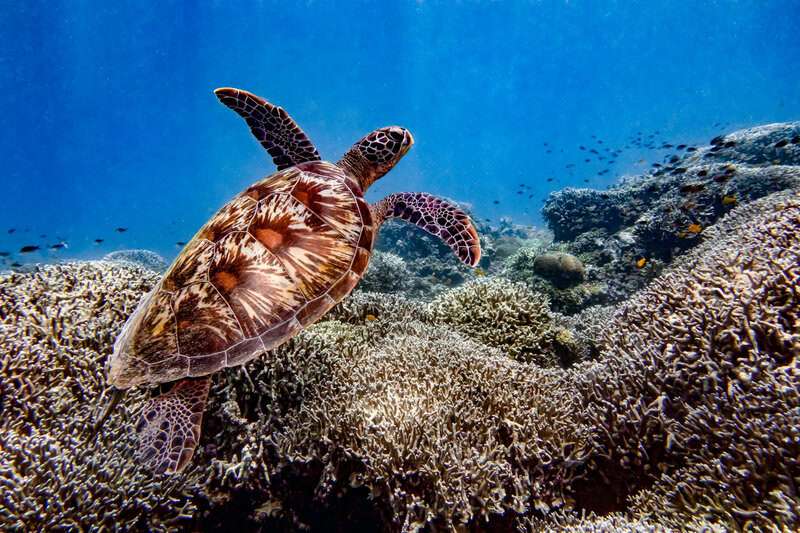
Certain aquatic turtle species have developed a unique adaptation known as cloacal respiration, allowing them to extract oxygen from water through their cloaca—a multi-purpose opening used for excretion and reproduction. This process involves water entering the cloaca and being pumped into specialized sacs called cloacal bursae, which are richly supplied with blood vessels. The oxygen dissolved in the water is absorbed by these blood vessels, enabling the turtle to remain submerged for extended periods. (livescience.com) Species such as the Fitzroy River turtle (*Rheodytes leukops*) can obtain up to 70% of their oxygen needs through cloacal respiration, allowing them to stay underwater for up to three weeks. (en.wikipedia.org) This adaptation is particularly beneficial in environments with low oxygen levels or during colder months when metabolic rates decrease. However, cloacal respiration is less efficient than lung breathing and is typically used as a supplementary method to extend the time turtles can remain submerged. (livescience.com) For a visual demonstration of cloacal respiration in turtles, you might find the following video informative: Turtles breathe underwater with Cloacal Respiration: A Moment in Science