17. Studies suggest that social behavior begins in the womb.
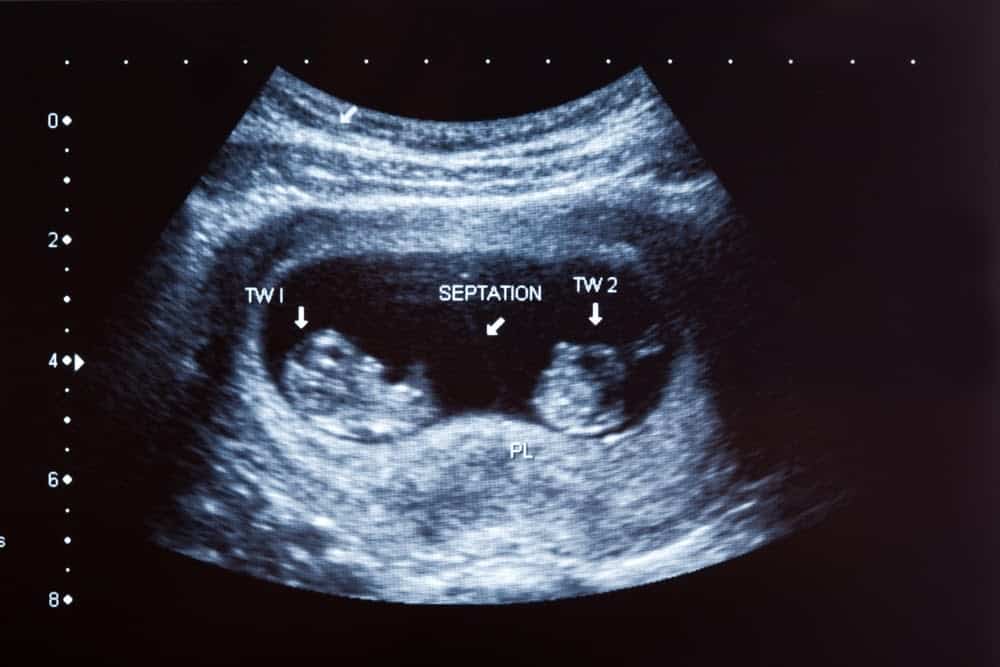
Twin studies have helped to come to this conclusion. Researchers utilized ultrasonography to track the motion of five pairs of twin fetuses in daily 20-minute sessions. The scientists found that the fetuses began reaching for their siblings by the 14th gestation week. Over the following weeks, the number of movements towards themselves decreased. Instead, the number of actions towards their womb mate increased more and more. By the 18th week of gestation, they had spent more time contacting their partners than themselves or the uterus’ walls. Roughly 30 percent of their movements were directed towards their siblings. The movements included stroking the head or back and started to last longer. They were also more accurate than their self-directed actions.
The studies’ results revealed that twin fetuses are aware of their counterparts in the womb and prefer to interact with them. They also respond to them in special ways. The contact between the pair appeared to be planned rather than a result of a lack of space. The conclusion is that social behavior begins in the womb. The idea that fetuses can control their actions in the womb is not a surprise. Researchers have shown that fetuses display skilled movements by the fifth month of gestation and that the presence of a twin in the womb can accelerate motor development. The womb is a critical starting point to developing a sense of self and a sense of others.