Why Space Appears Black
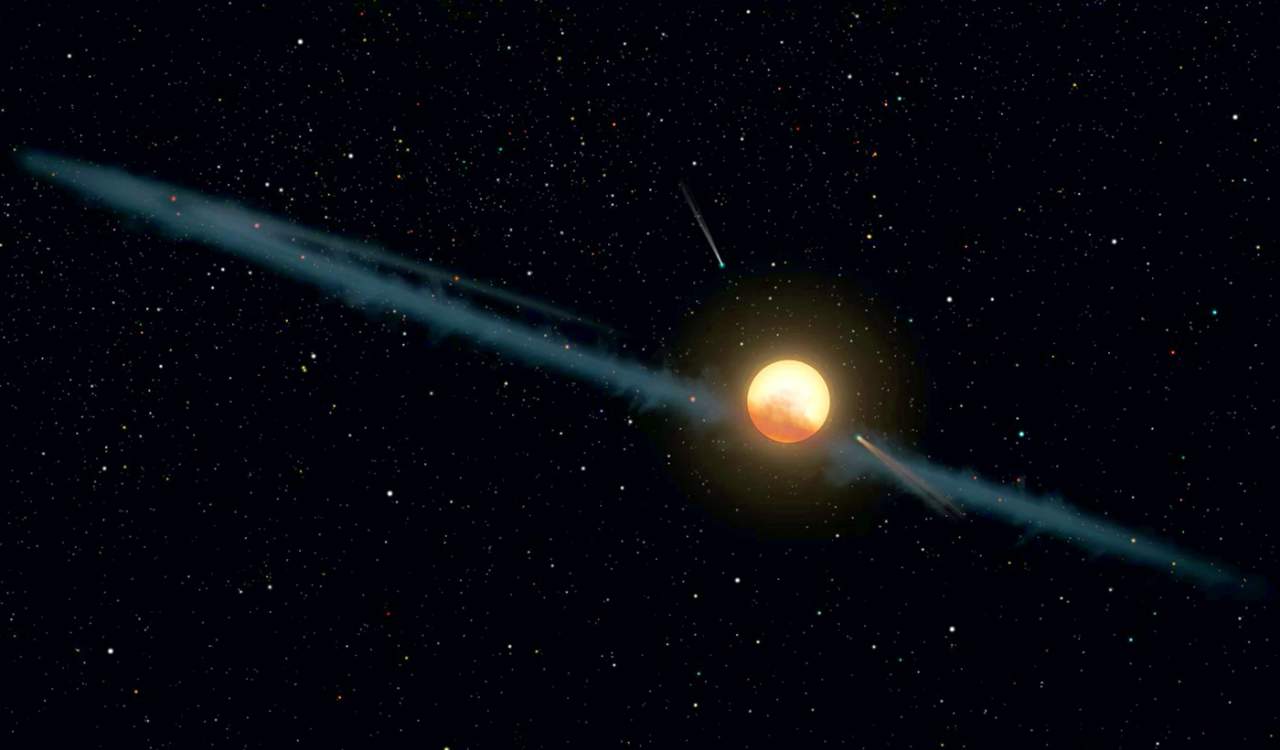
With all of those stars and planets out there, you’d think space would be filled with these things at every turn. Instead, many are lightyears away. This concept resulted in something known as the Olbers’ Paradox, named after the German Astronomer Heinrich Wilhelm Olbers. In 1823, he presented the idea that if the universe is truly infinite, static, and timeless, then everywhere you look should eventually hit a star. Of course, the universe is neither static nor timeless and Olbers was unaware of what we now know. When Edwin Hubble discovered universal expansion and thermal radiation from the Big Bang, we understood why space is so black. We don’t see stars in every direction simply because some have not been around long enough for their light to actually reach us!