14. Emperor Penguin
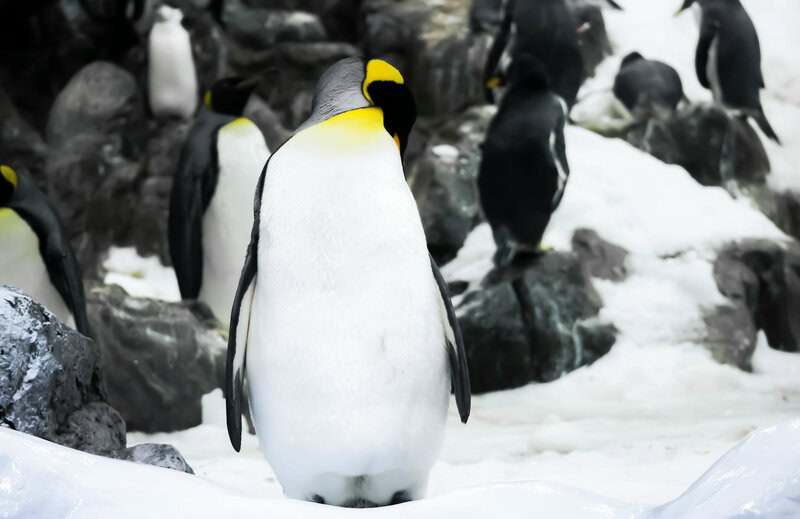
Emperor penguins, the largest of all penguin species, have evolved remarkable adaptations to survive the harsh Antarctic winters. They breed during the coldest months, with males incubating eggs on their feet under a brood pouch, enduring fasting periods of up to two months. (nationalgeographic.com) To combat freezing temperatures and strong katabatic winds, emperor penguins huddle together in large groups, sometimes numbering up to 5,000 individuals. This communal behavior significantly reduces heat loss, with the temperature inside the huddle reaching up to 24°C (75°F), while the external environment remains at -60°C (-76°F). (antarctica.gov.au) Physiologically, they possess a dense double layer of feathers and a substantial layer of blubber, providing insulation against the cold. Their circulatory system includes a counter-current heat exchange mechanism in their flippers and legs, conserving body heat. (antarctica.gov.au) These adaptations enable emperor penguins to thrive in conditions that would be fatal to humans, underscoring their resilience and specialized survival strategies in one of the most extreme environments on Earth.