
In 2025, oil producers around the world burned off 167 billion cubic meters of natural gas at the wellhead — energy valued at roughly $54 billion and enough to meet the annual electricity needs of all of sub-Saharan Africa. That fuel was not lost in an accident or consumed to power anything useful. It was simply set on fire and discarded.
A Six-Year High, Despite Years of Pledges
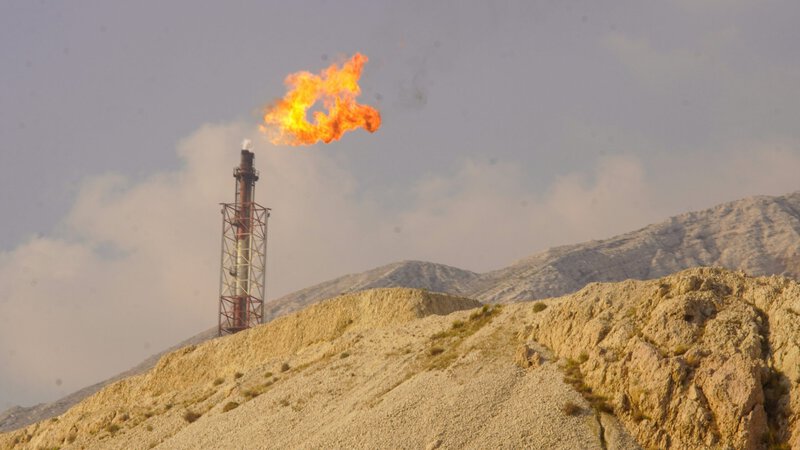
Global gas flaring rose for a third consecutive year in 2025, reaching a six-year high, according to the World Bank’s Global Gas Flaring Tracker. Higher flaring volumes in Russia and several other major producing nations drove the increase. The trend is striking not only for its environmental consequences but for what it reveals about the limits of voluntary industry commitments: despite repeated pledges from oil companies and governments to curtail the practice, volumes have moved in the wrong direction for three years running.
The core paradox is straightforward. Gas flaring is economically wasteful, burning off fuel worth tens of billions of dollars each year. It releases more than 500 million tons of greenhouse gas emissions annually. And it is, in most cases, technically avoidable. Yet it keeps rising. Understanding why requires looking closely at the economics, the infrastructure gaps, and the regulatory failures that allow flaring to persist as routine practice across the global oil industry.
What Gas Flaring Is — and Why Companies Do It
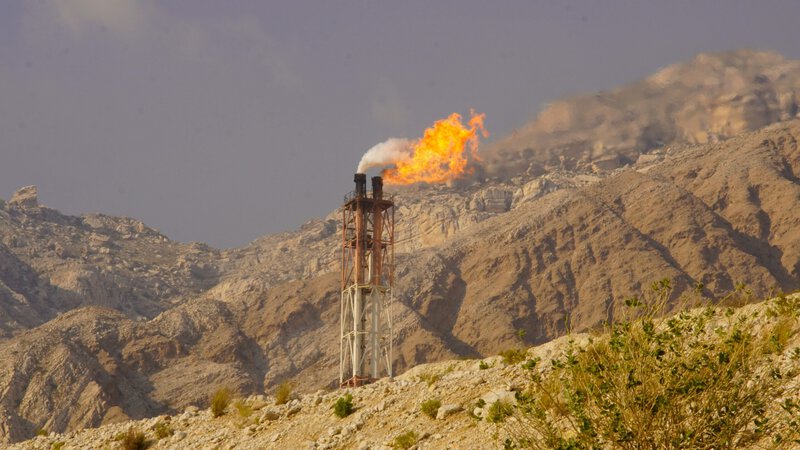
Gas flaring is the controlled combustion of natural gas that emerges as a byproduct when drilling for oil. When crude oil is extracted from a reservoir, it almost always brings associated gas to the surface alongside it. Rather than capturing and selling that gas, operators frequently burn it off at a well-site flare stack — the towering flame visible for miles across oil fields from the Permian Basin in Texas to the fields of western Siberia. The orange glow of a flare stack has become one of the defining visual signatures of fossil fuel extraction.
The economic logic behind flaring is uncomfortable but straightforward. Building the infrastructure needed to collect, compress, and pipe associated gas to market is expensive, particularly in remote fields far from existing pipeline networks. When oil prices are high but gas gathering capacity is low or nonexistent, flaring is often the cheapest short-term option available to producers. The value of the oil being extracted justifies the capital cost of the well; the value of the associated gas frequently does not, on its own, justify the additional infrastructure investment required to capture it.
It is worth distinguishing flaring from a related but worse practice called venting, in which raw methane is released directly into the atmosphere unburned. Flaring converts methane to carbon dioxide through combustion, and because CO₂ has a lower short-term warming potential than methane, flaring is generally preferable to venting from a climate standpoint. However, combustion in real-world flare stacks is rarely complete, meaning some uncombusted methane escapes regardless — a detail that matters significantly for emissions accounting.
One further distinction is important: safety flaring, which occurs during equipment startups, shutdowns, or genuine emergencies, is a separate and smaller category that engineers consider genuinely unavoidable in industrial operations. The practice that drives the headline numbers — and the controversy — is routine production flaring: the systematic burning of associated gas simply because capturing it is inconvenient or unprofitable at current economics.
The Environmental Toll: Greenhouse Gases, Soot, and Underreported Emissions
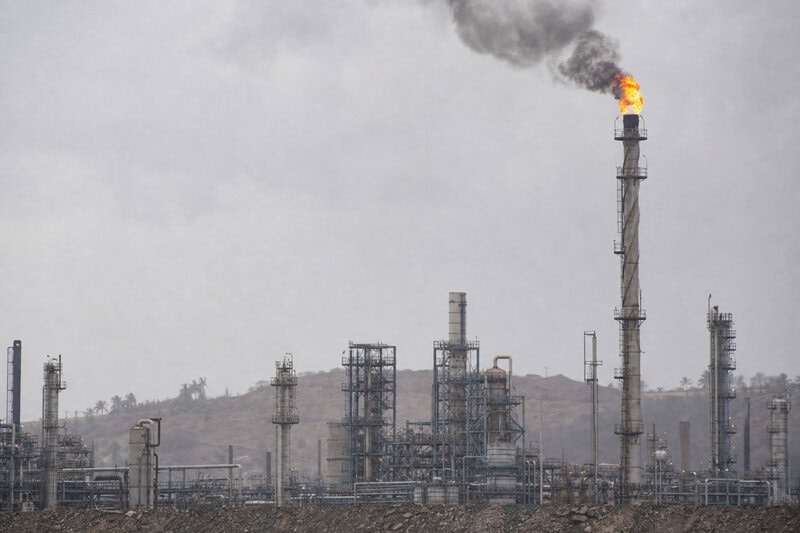
The climate footprint of gas flaring is substantial. According to World Bank data, gas flaring releases more than 500 million tons of greenhouse gas emissions per year — a figure that encompasses CO₂ from combustion, methane that escapes uncombusted, and black carbon particles, also known as soot. To put that in context, 500 million tons of CO₂-equivalent is roughly comparable to the total annual emissions of a large industrialized nation, making flaring a significant but frequently overlooked component of the fossil fuel sector’s overall climate impact.
Black carbon deserves particular attention. Soot from flares is a short-lived climate forcer — it does not persist in the atmosphere for centuries the way CO₂ does — but research has found that flare-generated black carbon warms the atmosphere at a rate disproportionate to its mass. This makes flares a potent local and regional climate driver, particularly in the Arctic, where black carbon deposited on snow and ice accelerates melting. Precise measurement of black carbon from flares remains an active area of research, and modeling its full climate impact carries meaningful uncertainty.
A related caveat applies to overall flaring emissions estimates. Satellite studies using the TROPOMI instrument aboard the European Space Agency’s Sentinel-5P satellite have found that real-world flare combustion efficiency is frequently lower than industry self-reports assume — meaning more methane escapes than official figures suggest. Scientific consensus on the precise magnitude is still consolidating, but the direction of the evidence consistently points toward official emissions tallies being underestimates rather than overestimates.
Human Health Consequences: Air Pollution and Birth Outcomes
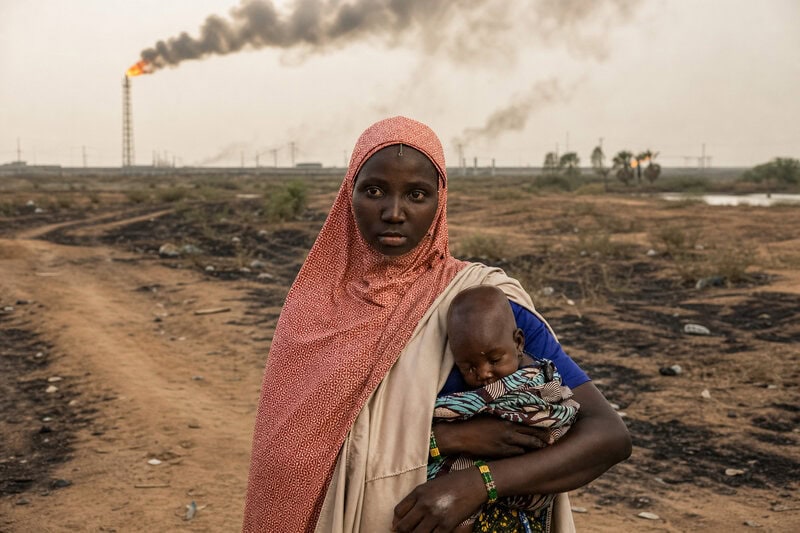
The environmental case against routine flaring is well established. The human health case is less often discussed but equally compelling. Gas flaring worsens local air quality by releasing nitrogen oxides, sulfur dioxide, benzene, and fine particulate matter — compounds with well-documented links to respiratory disease, cardiovascular harm, and adverse pregnancy outcomes.
The birth-outcome evidence is particularly notable. Studies examining communities near oil fields — including research focused on the Niger Delta and on U.S. shale-producing counties — have found statistically significant associations between proximity to active flare sites and elevated rates of preterm births and low birth weight. Researchers are careful to note that establishing direct causation is methodologically challenging and requires controlling for socioeconomic and other confounding factors. The association, however, is consistent across multiple geographic contexts and study designs, giving it meaningful epidemiological weight.
There is also an equity dimension that bears acknowledging. The communities most heavily exposed to flaring emissions — in the Niger Delta in Nigeria, in Iraqi Kurdistan, in the Permian Basin, and in Siberia — are frequently lower-income populations with limited political leverage to demand regulatory enforcement. The burdens of a practice that generates profits for distant shareholders fall disproportionately on people who receive few of its economic benefits.
Why Pledges Have Failed: The Gap Between Commitments and Action
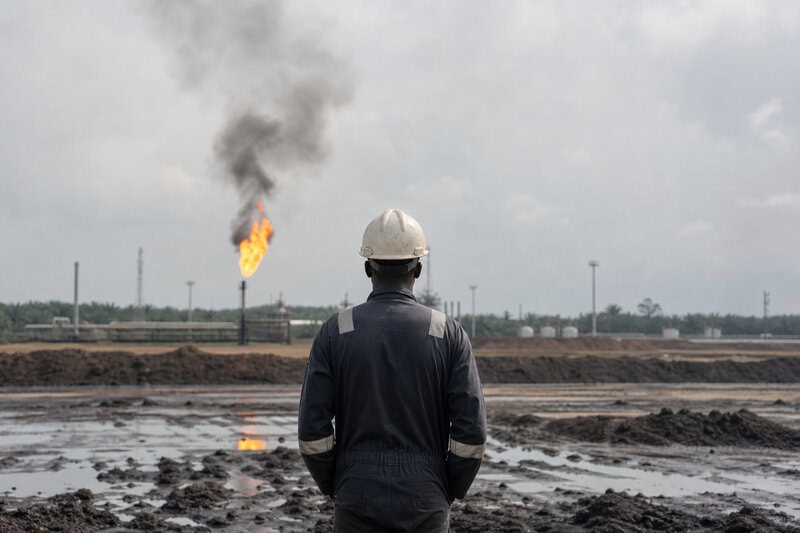
Perhaps the most striking feature of the 2025 data is not the volume of flaring itself but the context in which it occurred. Gas flaring increased in 2025 despite explicit pledges from oil companies and governments to reduce it, underscoring what the World Bank describes as a persistent gap between stated targets and operational practice.
The structural barriers are multiple. In many producing countries, national oil companies face no binding domestic regulation on flaring. Gas infrastructure investment consistently lags behind oil field development, leaving new wells connected to crude pipelines but not to gas gathering systems. Carbon pricing mechanisms, where they exist, are frequently set at levels too low to make gas capture economically preferable to flaring. The incentive structure, in short, continues to favor burning over capturing.
The World Bank-led Zero Routine Flaring by 2030 initiative has attracted endorsements from governments and companies representing a significant share of global production. But the initiative is non-binding and relies on self-reporting, which limits both its enforcement power and the reliability of the data it generates. Voluntary commitments without accountability mechanisms have, by the evidence of three consecutive years of rising volumes, proved insufficient to change industry behavior at scale.
Russia’s role in the 2025 increase is worth noting specifically, as the World Bank identified it as a key driver. Russia is one of the world’s largest oil producers, and its flaring volumes are consequential at a global scale. Western sanctions have complicated both the infrastructure investment needed to capture associated gas and the third-party monitoring access that would allow independent verification of reported figures — factors that make the geopolitical dimension of flaring reduction more complex than a purely technical or economic problem.
The Opportunity: $54 Billion in Energy That Could Power Nations
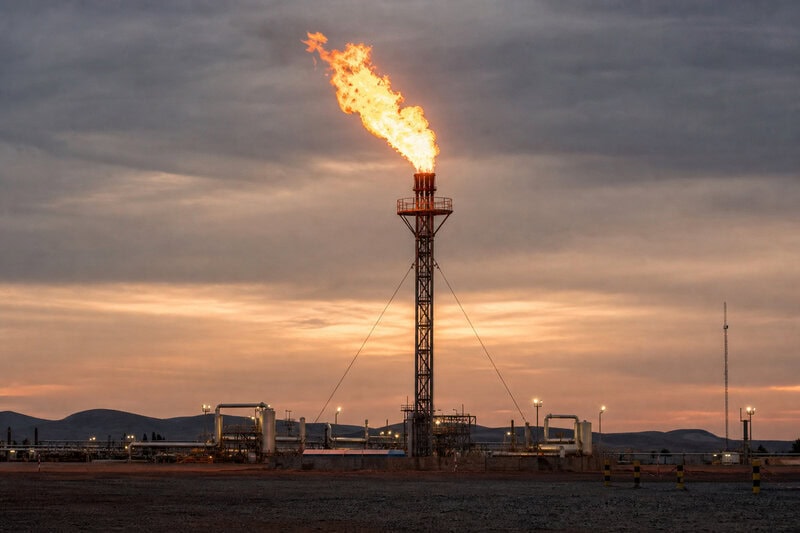
The World Bank’s framing of the flaring problem is not only about harm reduction — it is also about recoverable opportunity. The 167 billion cubic meters burned in 2025 is roughly equivalent to the combined annual natural gas consumption of Germany and France. Capturing flared gas could meaningfully boost energy security, the World Bank states. That is not a rounding error in the global energy system; it is a substantial resource being squandered.
The technologies for capturing associated gas are not speculative. The primary alternatives to flaring include connecting wells to gas gathering pipelines for sale or processing; gas-to-wire systems that use on-site generators to convert gas to electricity, which can power the oil field itself or be exported to nearby communities; reinjection of gas back into the reservoir to maintain pressure and enhance oil recovery; and conversion to liquefied natural gas for transport to market. Each approach carries different capital requirements and suits different field conditions, but none represents frontier technology.
The economic nuance is real, however, and should not be dismissed. In low-pressure, low-volume wells in genuinely remote regions, the capital cost of capture infrastructure can exceed the value of the recovered gas at current market prices. Blanket regulatory mandates without accompanying infrastructure financing face legitimate pushback from producers in developing economies where capital is scarce and gas markets are thin. Effective policy needs to account for this heterogeneity rather than treating all flaring as economically equivalent.
The counterexample that the World Bank’s own comparative data consistently highlights is Norway. Norway’s stringent regulatory framework — combining mandatory flaring limits with a substantial carbon tax — has kept its flaring intensity among the world’s lowest despite the country being a significant oil and gas producer. The Norwegian case demonstrates that binding regulation combined with meaningful price signals can deliver measurable reductions without undermining production economics. It is the clearest proof of concept available that the problem is solvable.
What Comes Next: Satellites, Policy Levers, and the 2030 Deadline
One genuine cause for optimism in an otherwise discouraging picture is the monitoring revolution now underway. A new generation of satellites — including TROPOMI, GHGSat, and several forthcoming dedicated methane-tracking missions — is making it progressively more difficult for operators to underreport flaring volumes or combustion inefficiency. When independent satellite data can be compared against operator self-reports, the accountability gap narrows. This is creating pressure for more accurate disclosure and, in turn, stronger enforcement of existing commitments.
The policy levers that the World Bank and the International Energy Agency consistently identify as most impactful are well defined: mandatory flare-capture regulations with enforceable financial penalties; extension of carbon pricing to explicitly cover flaring emissions at a level that changes the economic calculation for producers; and concessional financing mechanisms that help developing-country oil producers fund gas infrastructure they could not otherwise afford. These are not novel ideas — they appear in successive annual assessments. The obstacle is political will, not analytical uncertainty.
The 2030 horizon matters concretely. With three consecutive years of rising volumes through 2025, meeting any credible near-zero flaring target by decade’s end now requires not merely a change in trend but a dramatic and rapid policy reversal across major producing nations simultaneously. Whether that reversal is achievable within five years is genuinely uncertain; that it would require a fundamentally different approach than voluntary pledges have provided is not.
Every billion cubic meters of gas flared represents energy that could heat homes, generate electricity, or displace more carbon-intensive fuels in energy-poor communities. At 167 billion cubic meters per year, the scale of waste documented by the World Bank’s Global Gas Flaring Tracker is not a technical inevitability. It is a policy choice — one that governments and companies continue to make, year after year, while the flames keep burning.