
A new evidence review of Africa’s wildlife conservation has produced a finding that cuts through decades of debate: some tactics work dramatically better than others, and the gap in outcomes is wide enough to matter for species on the edge of survival. Drawing on the strongest available evidence, the study identifies which approaches are actually delivering results — and which assumptions the field may need to abandon.
Direct Action Delivers the Fastest Conservation Wins
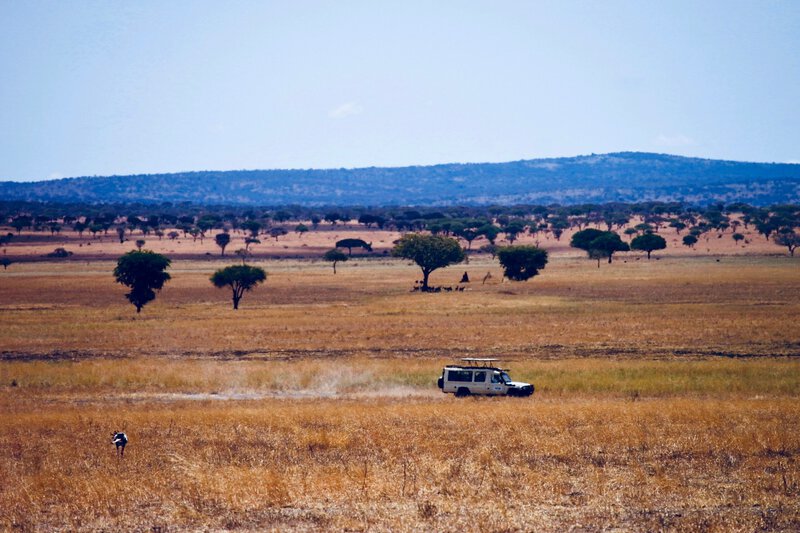
The study found that direct, hands-on interventions — anti-poaching patrols, species reintroductions, and targeted habitat restoration — produce faster measurable results than policy-only or awareness-based approaches. When wildlife populations are declining rapidly, speed is not an operational detail; it determines whether recovery is possible at all, or whether losses become irreversible.
The finding challenges a long-held assumption in conservation circles that systemic change must precede on-the-ground recovery. The evidence suggests a more dynamic relationship: direct interventions can stabilise a population while broader structural conditions are still being addressed, rather than waiting for ideal policy conditions before acting.
Sub-Saharan Africa Is the World’s Most Critical Biodiversity Region
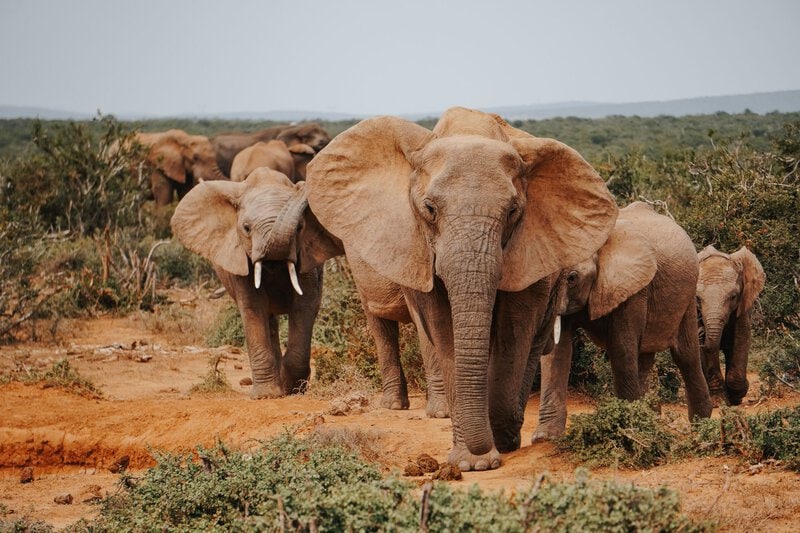
The study identifies Sub-Saharan Africa as the most important region for biodiversity conservation globally — a designation grounded in the number of wildlife populations and intact landscapes that still function there. No other region retains a comparable breadth of large-mammal assemblages operating within their natural ecological roles, from predator-prey dynamics to migratory corridors spanning thousands of kilometres.
That distinction carries a sobering implication: conservation success or failure in Sub-Saharan Africa is disproportionately consequential for global biodiversity outcomes. Losses here cannot be offset elsewhere. Strengthening African wildlife and fisheries conservation is therefore not a regional priority — it is a global one.
Healthy Habitats Are the Non-Negotiable Foundation

Habitat integrity — the degree to which an ecosystem retains its natural structure, species composition, and ecological processes — is confirmed by the study as an essential precondition for any conservation strategy to succeed. Even the most intensive direct interventions lose effectiveness when the underlying habitat is severely degraded. Reintroducing lions into a landscape stripped of prey, or restoring elephants to an area without adequate water and vegetation, cannot produce durable outcomes.
This reinforces scientific consensus that habitat loss, not poaching alone, is the primary long-term driver of African wildlife decline. Poaching is an acute, visible threat that attracts funding and attention; habitat erosion is slower, less photogenic, and ultimately more consequential. The study’s confirmation of this hierarchy is a direct corrective for conservation investment priorities that have historically skewed toward anti-poaching at the expense of landscape-level stewardship.
Communities Are Central to Success, Not Peripheral to It
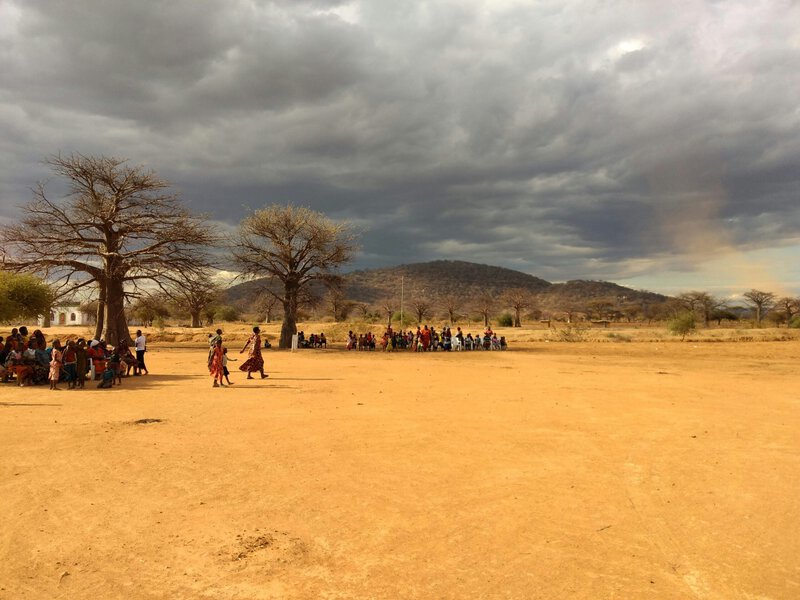
The study explicitly identifies local communities as central to conservation outcomes, elevating their role beyond consultation or benefit-sharing to active co-stewardship of wildlife landscapes. Conservation programmes that align with community land rights and livelihoods consistently outperform those imposed without local buy-in — a pattern robust enough across contexts to qualify as an evidence-based finding rather than a philosophical preference.
This reflects a broader shift in conservation science away from fortress conservation — the exclusionary, protected-area-only model that dominated much of the twentieth century — toward integrated human-wildlife landscapes. When communities have a genuine stake in wildlife surviving, enforcement becomes distributed, intelligence about poaching activity flows more readily, and the political sustainability of protected areas improves substantially. The evidence is unambiguous: community exclusion is not a neutral design choice; it is a measurable liability.
Integrated Approaches Outperform Single-Tactic Strategies
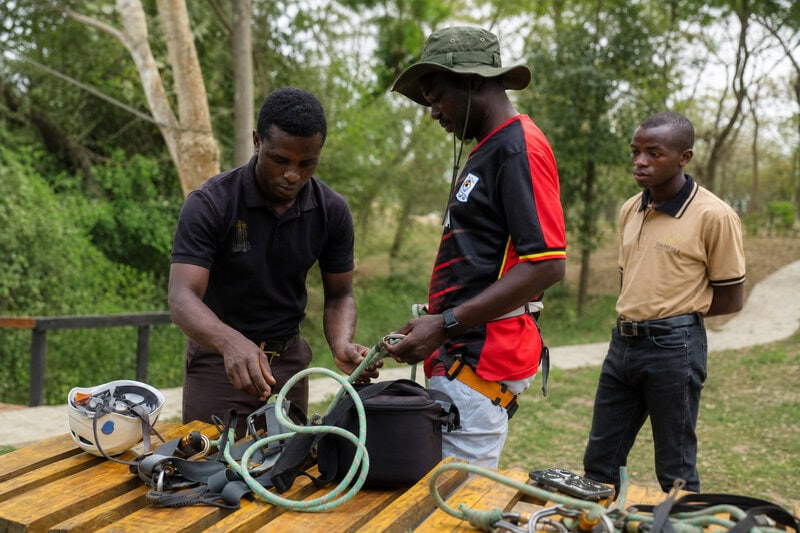
Among the strategies delivering the strongest results, the study ranks integrated approaches — those combining habitat management, species protection, community engagement, and systematic monitoring — above any single-tactic intervention. No individual method proved sufficient on its own. The evidence points to synergistic effects when multiple strategies are deployed together, with each component reinforcing the others rather than simply adding to them.
The implication for funders and governments is direct: siloed conservation budgets that allocate resources to anti-poaching, community development, or habitat work in isolation are likely to underperform compared to coordinated, multi-pronged programmes. The most effective conservation is not the sum of its parts — it is the product of how those parts interact. Integrated programme design is not a preference; it is what the outcome data support.
Wildlife Reintroductions and Translocations Are a Proven Recovery Tool
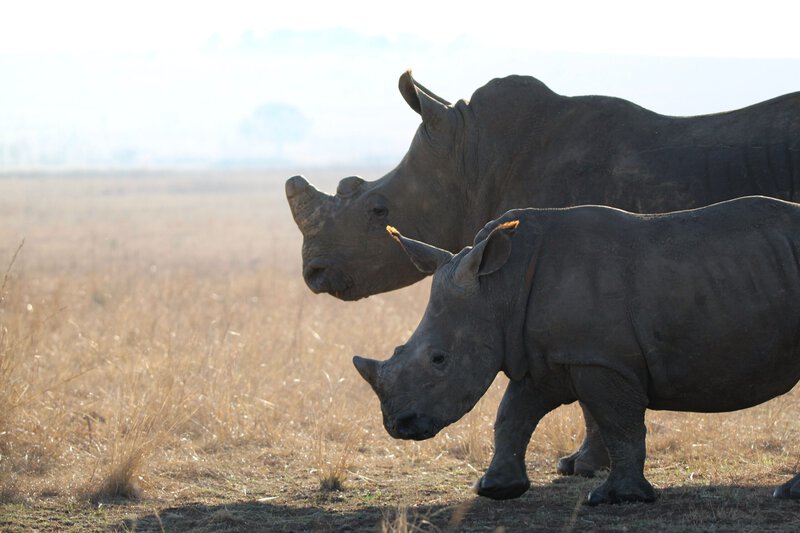
Translocation — the deliberate, supervised movement of animals from a source population to restore ecologically depleted areas — has helped rebuild locally extinct populations of species including lions, elephants, and rhinoceroses across the continent. African Parks uses wildlife reintroductions and translocations as a core element of its conservation strategy, moving animals from healthy populations into landscapes where they have been lost.
This approach is consistent with the study’s evidence base, which highlights direct species-level intervention as among the fastest-acting tactics available. Translocation is not a substitute for addressing the underlying threats that caused a local extinction in the first place, but when paired with adequate habitat condition and structured monitoring, it can compress the timeline of ecological recovery significantly. The sequencing matters: habitat must be sufficiently restored before translocated animals can be expected to persist.
Systematic Monitoring Separates Effective Programmes from Guesswork

Without consistent, comparable data collection across sites and years, it is impossible to distinguish successful interventions from coincidental population changes driven by rainfall, disease, or other unrelated factors. The study’s own ability to identify what works depends on precisely this kind of evidence infrastructure. Programmes that cannot measure what they are doing cannot learn from what they are doing — and cannot correct course when an approach is failing.
Monitoring is frequently underfunded relative to protection and community work, yet it is the feedback mechanism that allows adaptive management to function at all. Treating monitoring as an optional add-on rather than a core programme cost is one of the most common — and most consequential — errors in conservation programme design. The study’s findings make an implicit but clear case for changing that calculus.
Effective Habitat Management Must Be Active, Not Passive

Simply fencing off land is insufficient. Effective habitat management requires ongoing active interventions: controlled burns to maintain grassland structure, removal of invasive plant species that displace native vegetation, and maintenance of water sources that sustain wildlife through dry seasons. Passive protection allows degraded land to remain degraded inside a protected boundary, providing the appearance of conservation without the ecological function.
The distinction between passive protection and active stewardship is increasingly recognised as a critical variable in conservation outcome data. Ecological processes historically maintained by large herbivore populations, fire regimes, or seasonal flooding require deliberate human intervention once those dynamics have been disrupted. A reserve that was ecologically healthy at the time of establishment will not remain so without ongoing management. Active habitat stewardship is not an enhancement of conservation; it is conservation.
Taken together, the study’s findings offer the clearest evidence yet of what works across Africa’s wildlife landscapes: fast, direct action on species in decline; an unwavering commitment to habitat integrity as the foundation everything else depends on; genuine, rights-based partnership with local communities; and the integrated, evidence-driven management that allows all three to compound in effectiveness over time. The field now has fewer excuses for not acting on what the data show.