
In people using medical cannabis, researchers have documented reduced sleep disturbance, increased total sleep time, and less daytime sleepiness — yet the compound most consumers associate with those benefits, THC, may be the least interesting part of the story science is now telling. A growing body of cannabinoids sleep study data points toward a far more nuanced picture, one in which the body’s own sleep-regulating machinery is acted upon by multiple cannabis compounds through distinct biological pathways — and where the most promising signals are attached to molecules most people have never heard of.
The Endocannabinoid System: Your Brain’s Built-In Sleep Regulator

To understand why cannabis influences sleep at all, it helps to start with the endocannabinoid system (ECS) — the body’s own network of receptors, primarily CB1 and CB2, and the signaling molecules that activate them. The ECS modulates mood, pain, appetite, and, critically, sleep-wake cycles. CB1 receptors are concentrated in the brain and central nervous system, positioning them directly within the neural circuits that govern when humans feel awake and when they feel the pull toward sleep.
The ECS intersects with adenosine, the molecule that accumulates throughout the day and builds what sleep scientists call “sleep pressure” — the biological urge to rest that grows the longer a person stays awake. It also communicates with circadian rhythm pathways, the internal clock that synchronizes sleep timing to the cycle of light and dark. These connections establish a clear biological rationale for why plant-derived cannabinoids can influence sleep architecture — not merely as a sedative blunt instrument, but as molecules engaging a system the body uses to regulate sleep naturally.
There is established scientific consensus that the ECS is a genuine regulator of sleep. What remains more contested is whether introducing exogenous — that is, externally sourced — cannabinoids reliably improves sleep quality across diverse populations, across different sleep disorders, and over extended periods. The critical nuance is this: because the ECS operates through multiple receptor types and signaling pathways, different cannabinoids can act on different nodes of the system, sometimes producing opposing effects on specific sleep stages. That structural complexity is precisely why the science of cannabis and sleep extends so far beyond THC.
THC: The Familiar Player With a Complicated Record

THC (tetrahydrocannabinol) remains the most studied cannabinoid in the context of sleep, and its acute effects are relatively well characterized. In the short term, THC can reduce sleep-onset latency — the time it takes to fall asleep — and it suppresses REM (rapid eye movement) sleep, the stage most associated with dreaming. For someone lying awake for hours, that initial sedative effect can feel like genuine relief.
The longer-term picture is more complicated. Tolerance to THC’s sedative effects develops with regular use, meaning progressively larger doses are needed to achieve the same outcome. More concerning, cessation after heavy use is associated with rebound insomnia and a rebound intensification of REM sleep, which can produce vivid and disturbing dreams. These documented drawbacks do not make THC clinically irrelevant, but they do complicate the case for it as a primary sleep therapy.
The question of THC versus the full spectrum of cannabinoids is an active area of inquiry, not a settled debate. Framing THC as the essential “sleep cannabinoid” oversimplifies what the evidence actually supports. And if THC carries well-documented limitations — including psychoactive effects, tolerance development, and withdrawal-related disruption — the scientific interest in cannabinol (CBN), cannabidiol (CBD), and synthetic cannabinoid analogs becomes not merely academic, but clinically motivated.
CBN: The Sleeper Candidate Backed by New Objective Evidence

Among the most significant recent developments in cannabis and sleep science is research from the University of Sydney’s Lambert Initiative for Cannabinoid Therapeutics, described as the first objective study to demonstrate that cannabinol (CBN) increases sleep. Using objective physiological measurement — rather than self-reported outcomes — the researchers showed that CBN boosts both REM and non-REM sleep in rats, a finding with meaningful implications for translational research into human sleep disorders.
CBN is a mildly psychoactive cannabinoid produced as THC ages and oxidizes. It has been marketed anecdotally as a sedative for years, and CBN-infused sleep products have proliferated in the consumer market. Until the Lambert Initiative’s work, however, rigorous mechanistic evidence for those claims was largely absent. The new findings provide the first objective biological foundation for what the market had already assumed.
The significance of measuring both REM and non-REM sleep deserves emphasis. Total sleep time — simply spending more hours unconscious — is not the full measure of restorative sleep. Sleep architecture, meaning the proportion and sequencing of different sleep stages, governs memory consolidation, emotional regulation, immune function, and mental health. A compound that increases only sedation without supporting healthy sleep architecture is not the same as one that genuinely enhances sleep quality. CBN’s demonstrated effect on both REM and non-REM sleep in preclinical models makes it a far more scientifically credible candidate than anecdote alone could support.
Critically, human trials on cannabinol and sleep are now underway at the University of Sydney, signaling that this research is in active translation from animal models to clinical application. The field is watching closely, and results are likely to carry significant weight in shaping regulatory and clinical conversations about minor cannabinoids as legitimate therapeutic targets.
CBD: Quieting Nighttime Disruptions From a Different Angle
Cannabidiol (CBD) is the most publicly recognized non-intoxicating cannabinoid, but its pharmacological profile is distinct from both THC and CBN in ways that matter directly for sleep. Rather than binding directly to CB1 receptors, CBD acts partly through serotonin receptors and interacts indirectly with the ECS. That different mechanism of action means CBD is likely influencing sleep through pathways that THC does not engage — which helps explain why its effects on specific sleep conditions differ meaningfully from those of intoxicating cannabinoids.
Research has identified CBD as potentially promising for REM sleep behavior disorder — a condition in which people physically act out their dreams, sometimes violently, due to a failure of the normal muscle paralysis that accompanies REM sleep. CBD has also been associated with reductions in excessive daytime sleepiness, suggesting it modulates alertness bidirectionally rather than simply promoting sedation. That nuance is clinically important: a compound that reduces nighttime disruption without producing daytime grogginess addresses a need that broad sedatives frequently fail to meet.
According to a review published through the University of Pennsylvania’s Center for Sleep and Circadian Neurobiology, the strongest associations with improved sleep outcomes in available evidence were linked to CBD, CBN, and combinations of the two — not THC. That finding does not render THC irrelevant, but it substantially reframes the conversation about which cannabinoids deserve the most rigorous clinical attention going forward.
CBD sleep research in humans, however, is still maturing. Many published studies are small, short in duration, or rely on self-reported outcomes rather than objective polysomnographic measurement. Those limitations are real, and they mean that confident clinical recommendations about CBD dosing for sleep cannot yet be responsibly made. The signals are promising; the evidence base is not yet sufficient to translate them into definitive therapeutic guidance.
Nabilone and PTSD: A Targeted Cannabinoid for a Specific Sleep Crisis

Not all cannabinoid sleep research involves plant-derived compounds. Nabilone is a synthetic THC analog, originally approved to treat chemotherapy-related nausea, that has attracted research attention for a markedly different application. The same University of Pennsylvania review notes that nabilone may reduce nightmares associated with post-traumatic stress disorder (PTSD) — one of the more targeted and clinically specific findings to emerge from cannabinoid sleep research to date.
For people with PTSD, sleep is not simply disrupted; it is frequently the site of the disorder’s most acute suffering. Recurring trauma nightmares are a diagnostic criterion of PTSD, and they compound the disorder’s daytime psychological burden. The mechanism by which nabilone may interrupt this cycle involves its action on CB1 receptors, which appears to dampen the hyperactive fear-memory consolidation that occurs during REM sleep — potentially reducing nightmare frequency without eliminating REM sleep entirely. That distinction matters clinically, because suppressing REM sleep carries its own cognitive and emotional costs over time.
The nabilone example reinforces a broader point: the relationship between cannabinoids and sleep is not monolithic. Different cannabinoids act on specific disorders through distinct pathways, and understanding that specificity is not a scientific abstraction — it is the difference between a broadly sedating drug and a genuinely therapeutic one tailored to a defined clinical need.
What the Evidence Supports — and What Still Needs to Be Proven
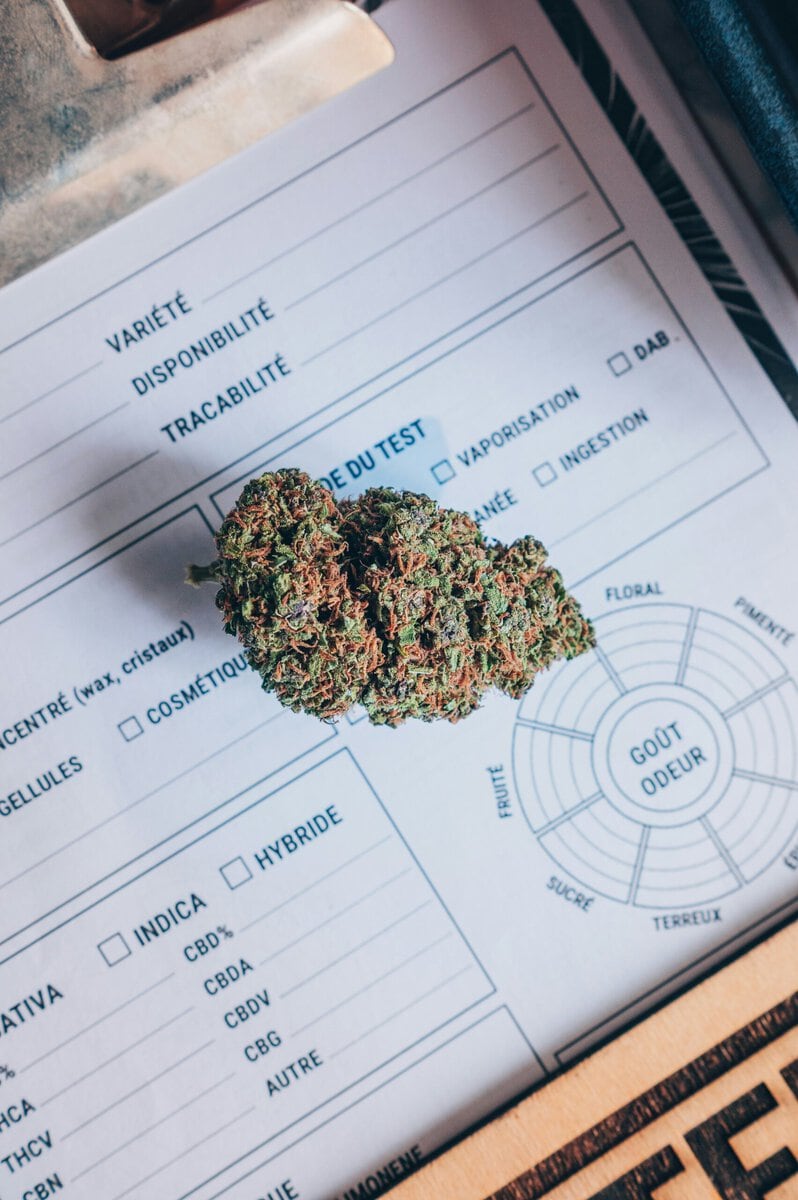
Taken together, cannabis and sleep science now points toward a multi-cannabinoid picture in which CBN, CBD, and nabilone each demonstrate distinct and potentially complementary mechanisms. None of these findings should be overstated as evidence of a cure, and none should be dismissed as mere anecdote. They represent a scientifically credible and growing argument that the endocannabinoid system’s role in sleep regulation is broader, more targeted, and more therapeutically interesting than the THC-dominant public narrative has allowed.
Critical gaps remain. Most rigorous human trial data are still limited in scale and duration. Dosing standards vary widely across commercially available products, making it difficult to translate research findings into practical consumer guidance. The “entourage effect” — the hypothesis that cannabinoids work synergistically and that combinations outperform individual compounds — remains scientifically contested rather than confirmed, even as the emerging evidence for CBD and CBN combinations is encouraging enough to warrant formal investigation.
The next several years are likely to be defining ones for this field. With University of Sydney CBN human trials actively underway and regulatory interest in minor cannabinoids growing in multiple jurisdictions, the controlled trial data necessary to move from promising signals to clinical guidance may be closer than it has ever been. That represents a meaningful shift from where the science stood even a few years ago, when CBN was largely a marketing claim and human CBD sleep research was in its earliest stages.
For now, the evidence supports cautious optimism — not a blanket endorsement of cannabis for sleep, but a compelling, evidence-backed argument that the search for effective, targeted cannabinoid sleep therapies is advancing rapidly, and that the most important discoveries may belong to the compounds that have, until recently, been almost entirely overlooked.