Greenland Ice Sheet Dark Zone
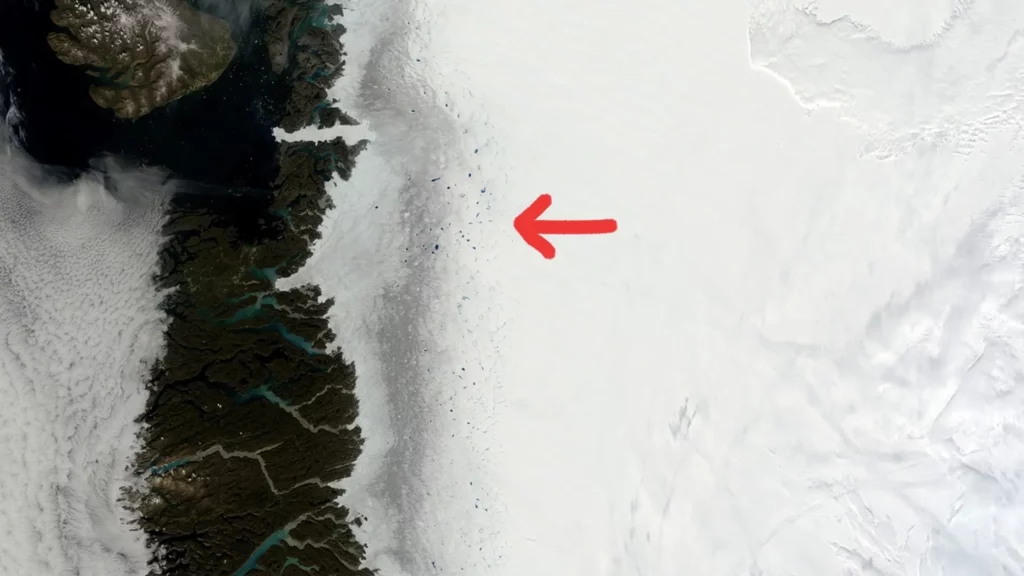
Researchers explained why parts of Greenland’s ice turn dark each summer. Satellite images revealed a “dark zone” forming seasonally, accelerating ice melt. Scientists discovered that algae, thriving on phosphorus from atmospheric dust, colonize the ice surface. The dark algal blooms absorb more sunlight than white ice, creating a warming feedback loop. Climate change intensifies this effect by extending the growing season. This discovery helps climate scientists improve models predicting how quickly Greenland’s ice will melt and raise sea levels.