Genetic Editing and CRISPR
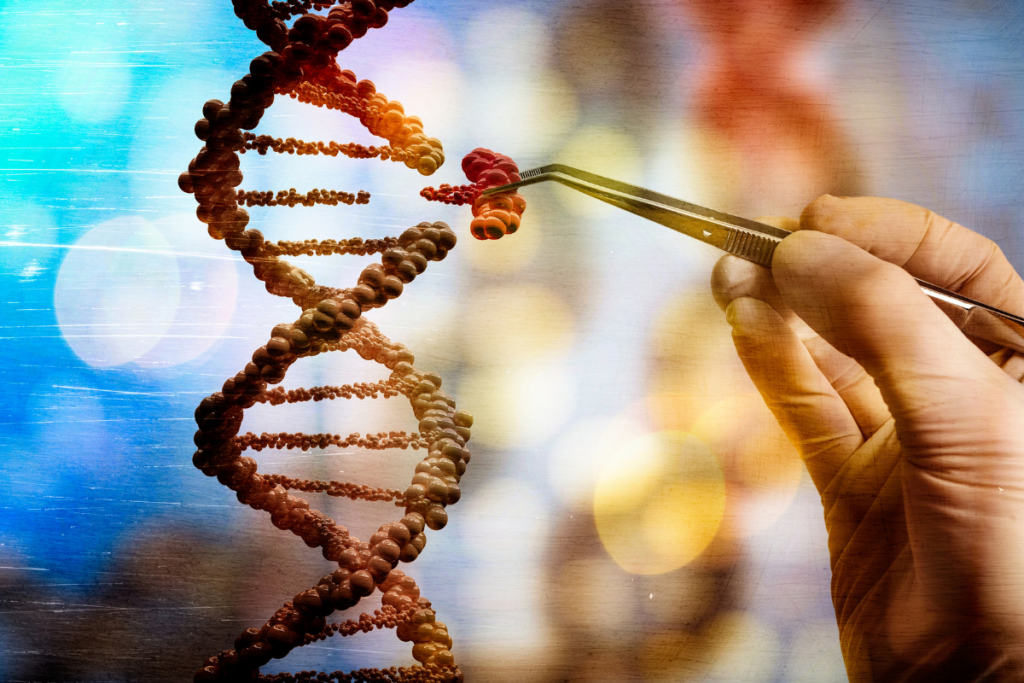
CRISPR technology has revolutionized genetics by allowing scientists to precisely alter DNA, offering hope for eradicating hereditary diseases. Yet, editing human embryos introduces profound ethical concerns about unintended side effects, long-term impacts, and the possibility of creating “designer babies.” These issues came into sharp focus after the controversial birth of the world’s first gene-edited babies in China, raising urgent questions about regulation, consent, and genetic inequality.