11. Rabies Virus
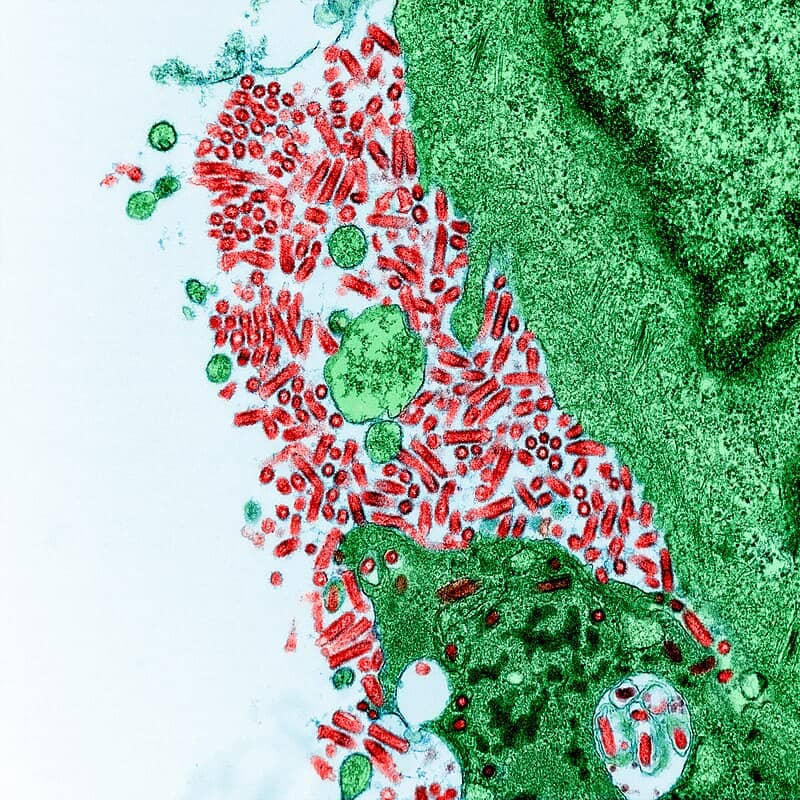
The rabies virus induces significant behavioral changes in infected mammals, enhancing transmission opportunities. Infected animals often exhibit increased aggression, reduced fear, and heightened salivation, facilitating the spread of the virus through bites. These behavioral alterations are linked to disruptions in neurotransmitter systems, particularly serotonin, leading to heightened aggression. Additionally, the virus accumulates in the salivary glands, resulting in excessive saliva production, which can cause the characteristic “foaming at the mouth” observed in rabid animals. These changes collectively increase the likelihood of the virus being transmitted to new hosts. (pubmed.ncbi.nlm.nih.gov)