
Deep space is unforgiving in ways that rarely make headlines: it is dark, bitterly cold, and vast enough to render even a well-designed spacecraft helpless if its power systems fall short. NASA’s announcement of a first-of-its-kind event called MAX POWER — scheduled for November 6-8, 2026, at and near Kennedy Space Center in Florida — signals that the agency is ready to address openly the energy challenges that underlie every ambition it has for returning humans to the Moon and eventually reaching Mars.
What MAX POWER Is — and Why the Timing Matters
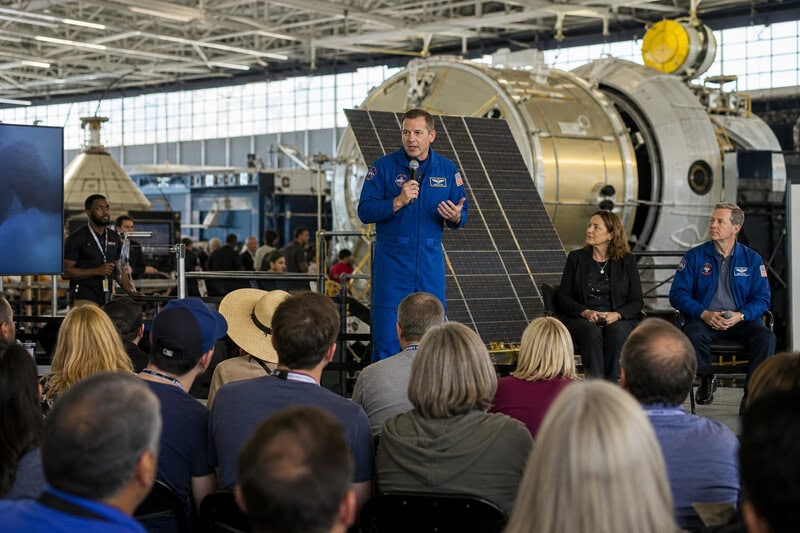
MAX POWER is, by NASA’s own description, the agency’s first-ever event of its kind. Running from Friday, November 6 through Sunday, November 8, 2026, it is hosted on and near Kennedy Space Center, with the Kennedy Space Center Visitor Complex serving as a central hub for both media and general participants. The format goes well beyond a standard press briefing: the event features interactive exhibitions and meet-and-greet opportunities that let visitors engage directly with the engineers and scientists behind NASA’s next-generation power programs.
The timing reflects where the agency stands in its planning cycle. NASA is deep in Artemis mission development, and the power architecture decisions being worked through now will define what astronauts can and cannot do once they reach the lunar surface. By bringing these conversations into a public-facing venue rather than confining them to contractor facilities and technical conferences, NASA is signaling that energy technology is no longer a back-room engineering problem — it is a story the agency considers worth telling to a broad audience, and soon.
NASA’s official announcement of MAX POWER key events outlines the schedule for both media briefings and participant programming, providing one of the clearest public looks yet at how the agency intends to frame the power conversation for general audiences.
The Power Gap: Why Energy in Deep Space Is Harder Than It Sounds
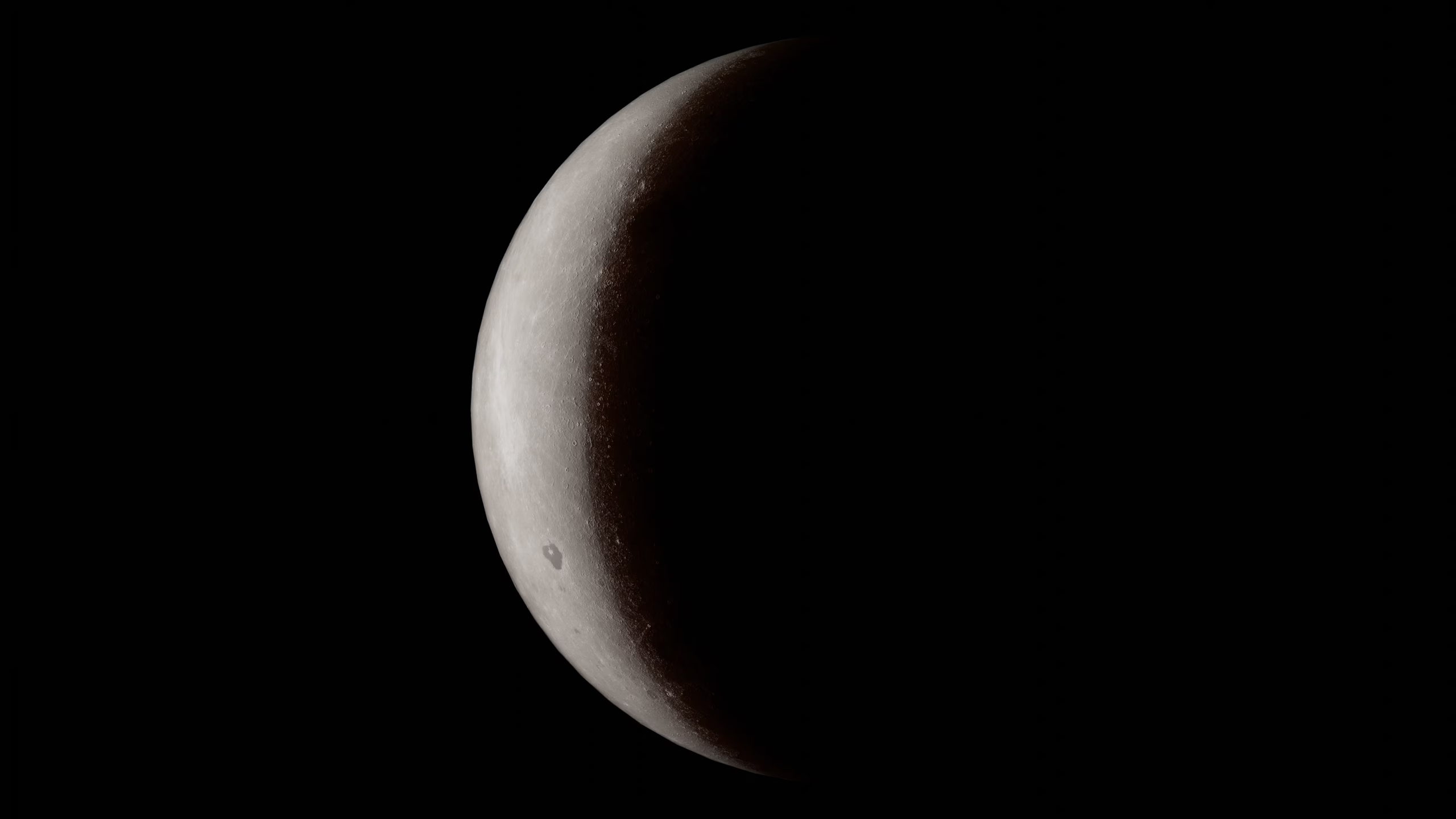
Solar panels perform reliably in low Earth orbit, where sunlight is strong and consistent. The farther a spacecraft travels from the Sun, however, the weaker that sunlight becomes — and the more demanding the engineering calculations grow. At the lunar south pole, where Artemis surface missions are targeted, the geometry of sunlight creates genuine operational hazards. Crater rims and terrain angles produce extended periods of near-total darkness that can persist for weeks at a time, making conventional solar solutions unreliable without significant innovation.
Power requirements for Artemis surface operations go far beyond keeping instrument panels lit. A functional lunar outpost must simultaneously power pressurized habitats, life support systems, scientific instruments, communications arrays, and surface rovers — all in an environment where every watt is scarce and resupply from Earth is not a realistic option. Closing the gap between what these missions demand and what current technology can reliably deliver is the problem NASA’s power push is designed to solve, and MAX POWER is the first time the agency has chosen to tackle that explanation in a large public forum.
Solar Electric Propulsion: Efficient Thrust for the Long Haul
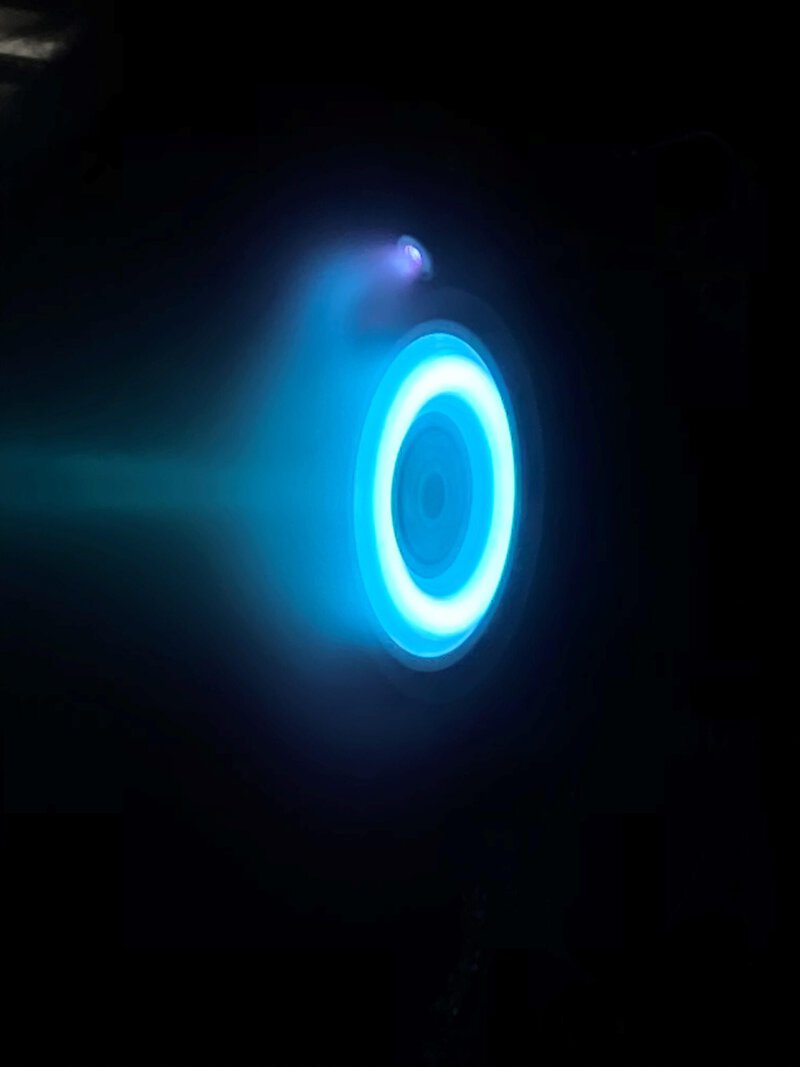
One of the most consequential technologies in NASA’s power toolkit is solar electric propulsion. Unlike chemical rockets, which produce enormous thrust in short bursts, solar electric propulsion systems harvest energy from advanced solar arrays and use it to ionize and gradually accelerate propellant — producing sustained, highly fuel-efficient thrust over long mission durations. The trade-off is lower instantaneous thrust in exchange for dramatically reduced propellant mass, which makes the approach well suited for moving large cargo loads to lunar orbit without the weight penalty that comes with carrying additional chemical propellant.
NASA’s Gateway lunar space station, a cornerstone of the Artemis architecture, is designed to rely on solar electric propulsion to maintain its orbit and maneuver around the Moon. Advances in photovoltaic cell efficiency and power management systems translate directly into operational capability: every percentage point of improved solar cell performance means more science time, more life support margin, and more flexibility for crews on the surface below.
Nuclear Power in Space: The Option NASA Can No Longer Defer
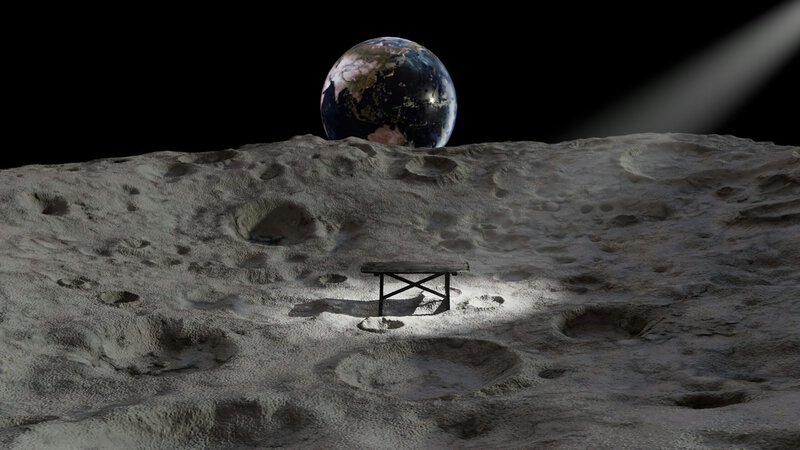
Solar power, even in its most advanced forms, carries a fundamental vulnerability: it requires sunlight. For missions targeting the lunar south pole — where nights stretch for weeks — that vulnerability is not a minor inconvenience but a potential mission-ending constraint. This is where fission surface power enters the picture, and where the engineering stakes become especially high.
Fission surface power systems, developed in collaboration between NASA and the Department of Energy, are designed to provide continuous, sunlight-independent electricity on the lunar surface. A compact fission reactor — comparable in physical size to a small piece of luggage — can theoretically power a small lunar outpost throughout the full lunar night without interruption. Prototype development and testing have been underway as a serious programmatic priority, not as a speculative research exercise.
One of MAX POWER’s most important public functions may be demystifying nuclear space power for audiences that reasonably but incorrectly associate compact fission reactors with weapons programs or large commercial nuclear plants. The systems NASA is developing are neither. They are purpose-built, low-output power sources designed for a single mission: keeping humans alive and productive in an environment where sunlight cannot be guaranteed.
What This Means for Artemis and Beyond
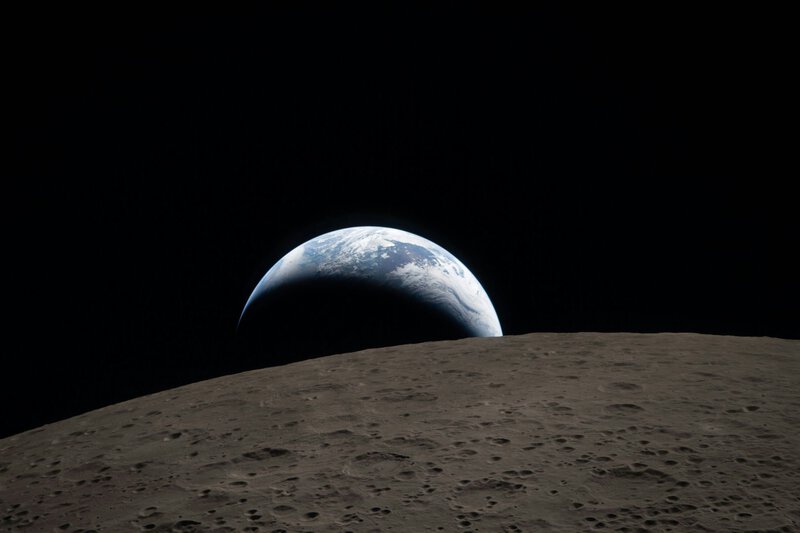
Every go/no-go decision for extended Artemis surface operations runs through the energy equation. The capabilities on the table — pressurized rovers that would allow astronauts to range dozens of kilometers from a base, in-situ resource utilization experiments that extract oxygen from lunar regolith, habitats designed for stays measured in weeks rather than hours — none of them exist without a robust, reliable power supply operating underneath them continuously.
If NASA can demonstrate scalable power technology on the Moon — pairing advanced solar electric propulsion for orbital operations with fission surface power for surface stays — it also establishes the blueprint for human missions to Mars, where the power problem is more severe still and the distance from Earth makes resupply effectively impossible. The Moon, in this context, is not only a destination. It is the engineering proving ground for everything that comes after.
For the general public, MAX POWER offers something genuinely uncommon: direct access to the infrastructure decisions that will determine whether the lights stay on when humans return to the Moon. The event’s interactive exhibitions and meet-and-greet sessions with NASA’s power technology teams make it substantively more than a media spectacle. It is a window into the engineering choices that will shape human spaceflight for decades — and it is open to anyone who shows up.
Key Details at a Glance
- Dates: Friday, November 6 through Sunday, November 8, 2026
- Location: On and near NASA’s Kennedy Space Center, Florida; Kennedy Space Center Visitor Complex serves as the central hub for public participants
- Format: Media briefings, interactive technology exhibitions, and meet-and-greet sessions with NASA engineers and scientists
- Audience: Designed for general participants as well as credentialed media — not restricted to industry professionals or press
- Official information: NASA’s MAX POWER key events announcement
Whether you attend in person or follow NASA’s media coverage of the proceedings, MAX POWER represents the most accessible public entry point yet into the power systems that will either enable or constrain everything humanity hopes to accomplish beyond low Earth orbit. The rocket gets you there. The power system determines whether you survive the night — and what you can accomplish once the Sun comes back up.