
SpaceX has told NASA it plans to stop flying Crew Dragon — currently the only reliable way America gets astronauts to the International Space Station — and the announcement landed less like a business update than a quiet declaration of independence. The partnership that once kept a scrappy startup alive has flipped, and the implications for American space policy run deeper than any single rocket program.
How the Power Shifted: From NASA’s Student to Its Landlord
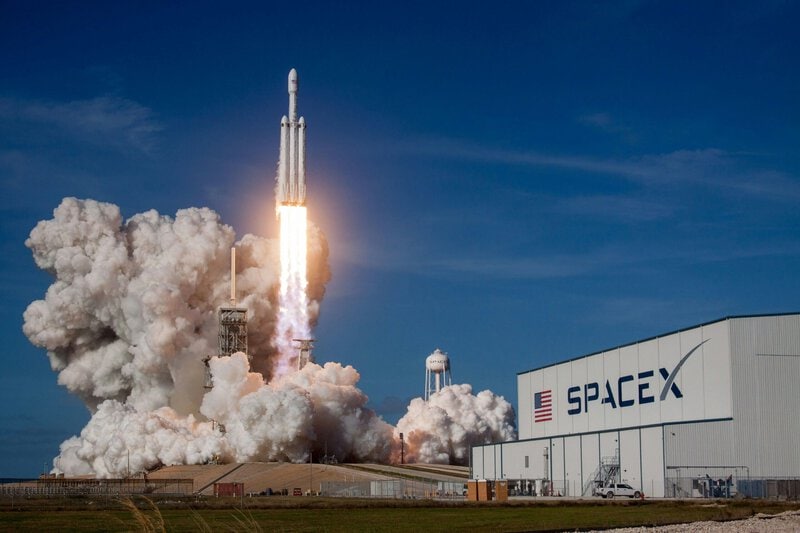
There was a time when SpaceX needed NASA far more than NASA needed SpaceX. The agency’s early commercial crew and cargo contracts gave Elon Musk’s company something no private investor could reliably provide: credibility, cash flow, and a proving ground. Those contracts were not charity. They were a calculated NASA strategy — outsource the routine work of reaching low-Earth orbit and free the agency to focus on deeper, harder destinations like the Moon and Mars.
The strategy worked almost too well. SpaceX iterated faster than the traditional aerospace procurement model had ever anticipated. Falcon 9 became the world’s most flown and reused orbital rocket. Crew Dragon restored American crewed launch capability after the Space Shuttle’s retirement in 2011. And Starlink, the company’s satellite internet constellation, quietly built a commercial revenue base that has nothing to do with government contracts at all.
Today SpaceX still holds contracts with NASA, the US Space Force, and other government entities — but no single client defines its business anymore. That distinction matters enormously. As reporting on the shifting relationship between the two organizations makes clear, NASA desperately needs SpaceX, and SpaceX knows it. The leverage has reversed.
What Independence Actually Means in Orbital Mechanics and Dollars
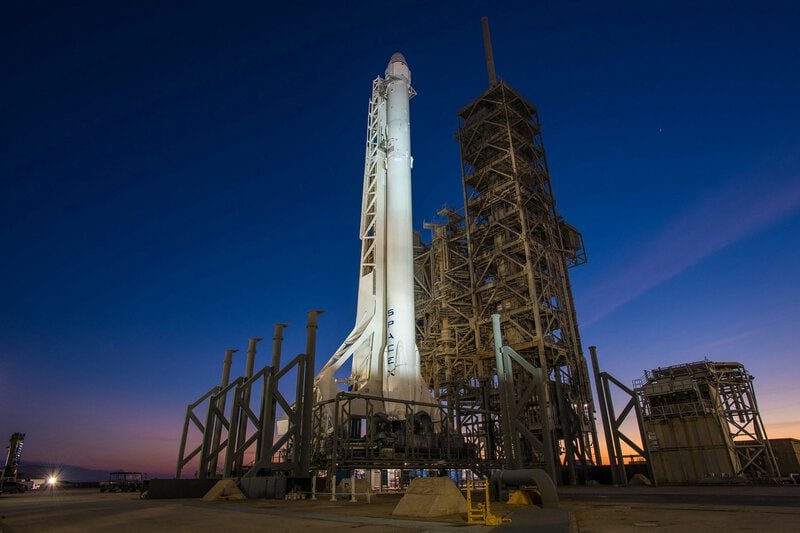
Reaching orbit independently means controlling the rocket, the launch schedule, the pricing, and increasingly the destination. SpaceX now does all four. Its commercial satellite business, private astronaut missions, and Starlink revenue mean the company’s financial health is no longer tethered to NASA’s annual budget cycles — cycles that have historically lurched with changing political priorities and congressional appropriations fights.
Starship, still in active development and testing, is being designed for missions NASA has not even formally planned yet. That gives SpaceX a development roadmap extending well beyond any existing government contract. In practical negotiating terms, this creates an uncomfortable asymmetry: SpaceX can walk away from a NASA discussion. NASA cannot walk away from SpaceX, at least not without a capability gap it has no immediate way to fill.
With Crew Dragon potentially leaving the table, that gap becomes concrete. No American-built alternative crew vehicle is ready to step in on short notice. Boeing’s Starliner program, which NASA funded as a second commercial crew option, has faced repeated delays and technical setbacks that leave it far from a dependable backup. The agency’s credibility as a human spaceflight leader now depends on a capability it rents rather than owns — and the landlord has signaled it may be re-evaluating the lease.
NASA’s Uncomfortable Position
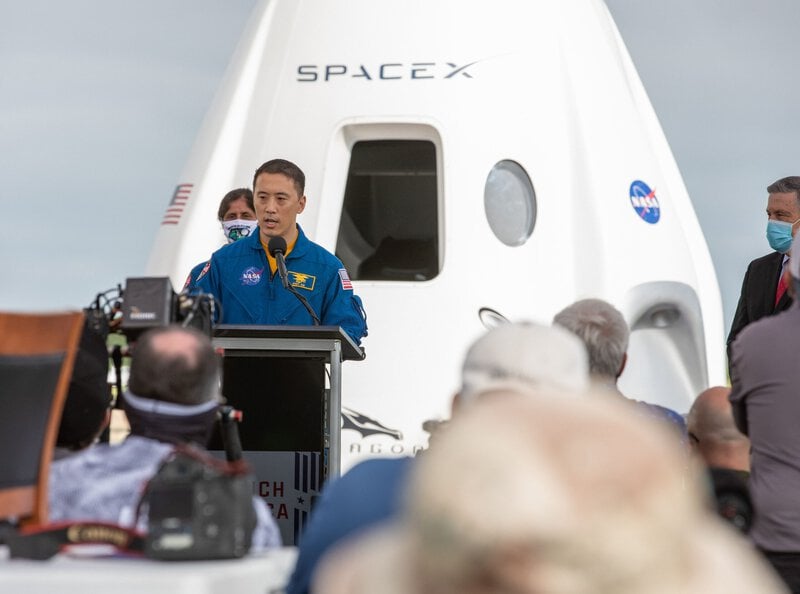
It would be easy to frame this as a simple corporate power play, but the consequences extend well beyond astronaut transportation schedules. NASA’s scientific missions — climate monitoring, planetary exploration, astrophysics, heliophysics — are funded and managed separately from its human spaceflight programs. But the agency’s political capital in Congress is not so neatly divided.
A NASA that appears diminished in the public imagination, seen as dependent on a private company for its most visible and politically resonant capability, risks losing the congressional enthusiasm that funds programs with no direct connection to rockets or crew vehicles. The James Webb Space Telescope, Mars sample return efforts, Earth observation satellites — none of these need Crew Dragon to function. But they do need an agency whose annual budget requests are taken seriously on Capitol Hill, and perceived weakness in one program can erode goodwill across the entire portfolio.
The core concern is not that space science stops, but that the institutional infrastructure for long-horizon, high-risk scientific inquiry quietly erodes. Commercial space companies have limited financial incentive to prioritize pure science that generates no near-term revenue. Those gaps — the missions that are important but not profitable — have historically been filled by government agencies with a mandate to pursue knowledge for its own sake. If NASA’s influence and budget authority shrink, that buffer shrinks with them.
The Case That This Could Still Work Out
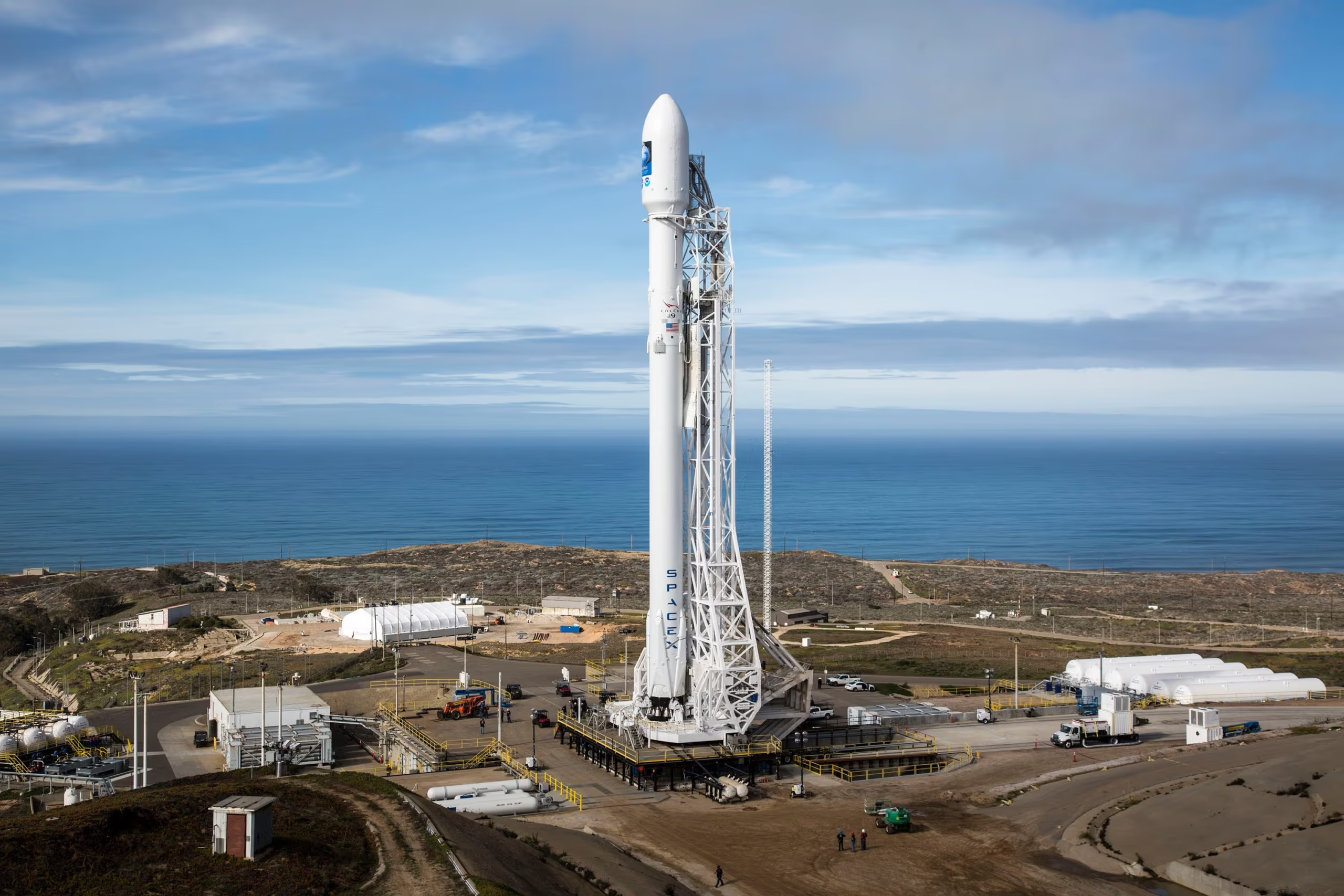
It is worth being precise about what this situation is not. SpaceX is still fulfilling its existing contracts. There is no evidence of a clean or immediate break, and the working relationship between the two organizations remains active and, in many respects, mutually useful. The question is not whether American space activity continues, but under whose priorities and on whose timeline it proceeds.
Some researchers and policy analysts argue that lower commercial launch costs could actually expand what NASA accomplishes with its science budget. If reaching orbit costs less per kilogram, NASA can fly more missions, reach more destinations, and take on more scientific risk within the same appropriation. A version of NASA refocused on deep space research, international scientific coordination, and frontier exploration — rather than operating rockets to low-Earth orbit — could theoretically be a leaner and more effective institution than the one that exists today.
The original vision behind the commercial crew program was always to hand off low-Earth orbit to private operators eventually, freeing NASA to go further. The honest question is whether the handoff was supposed to arrive quite like this — on the contractor’s timeline, without a ready alternative standing by, and with Congress having made no deliberate decision about what comes next.
The Bigger Question America Needs to Answer

Underneath the operational details of crew vehicles and contract negotiations lies a fundamental policy question that Washington has not clearly resolved: should the United States government be in the rocket business, or in the science and exploration business? For most of NASA’s history, those two things were inseparable. They may not be anymore, and the country has not openly debated which model it prefers.
Leaving low-Earth orbit entirely to private companies means national space priorities are increasingly shaped by what is profitable, what attracts subscribers, and what serves paying customers — not necessarily what is scientifically important or strategically significant over a 20- or 30-year horizon. Private companies answer to their investors and their quarterly results. Government agencies, at their best, answer to the future.
Other spacefaring nations, China in particular, are constructing state-run programs with explicit long-term strategic goals that operate entirely outside the logic of commercial returns. China’s crewed space station, its lunar exploration program, and its stated ambitions for Mars reflect sustained institutional commitment that does not require a profitable business case. Whether American commercial dynamism can outpace that model over decades is a genuine open question — not a settled one — and the answer matters for scientific leadership, strategic positioning, and the shape of the next space age.
The future of NASA’s funding, mission, and relevance may hinge less on any single rocket program and more on whether American policymakers decide, clearly and deliberately, what they actually want from space. That decision has strategic, scientific, and democratic dimensions that deserve open debate. Right now, the decision is being made by default — and a private company is effectively making it for them.