
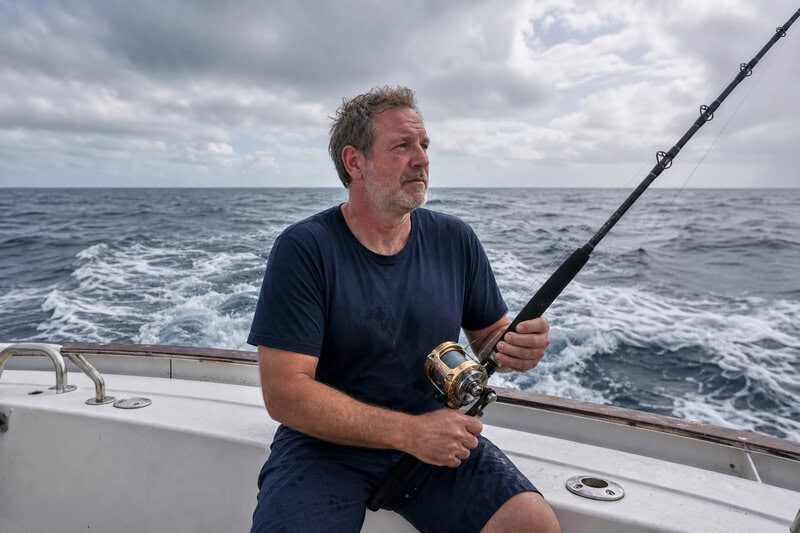
Brian Smith had been told what stage 4 pancreatic cancer meant. He understood the timeline. So when asked what he wanted before the end, the 49-year-old Tuscaloosa, Alabama man did not hesitate: he wanted to be on the Gulf of Mexico, rod in hand, pulling something wild from the water. That wish came true. Days after returning from the trip, Smith passed away peacefully. He called it one of the best days of his life.
His story is a window into something the ocean has always made plain: its most powerful effects on a human being are not always measured in physics. But the physics are worth understanding — because “deep-sea fishing” sits at the edge of a world that remains, a few hundred feet below the hull, almost entirely hostile to an unprotected human body.
A Final Wish on Open Water
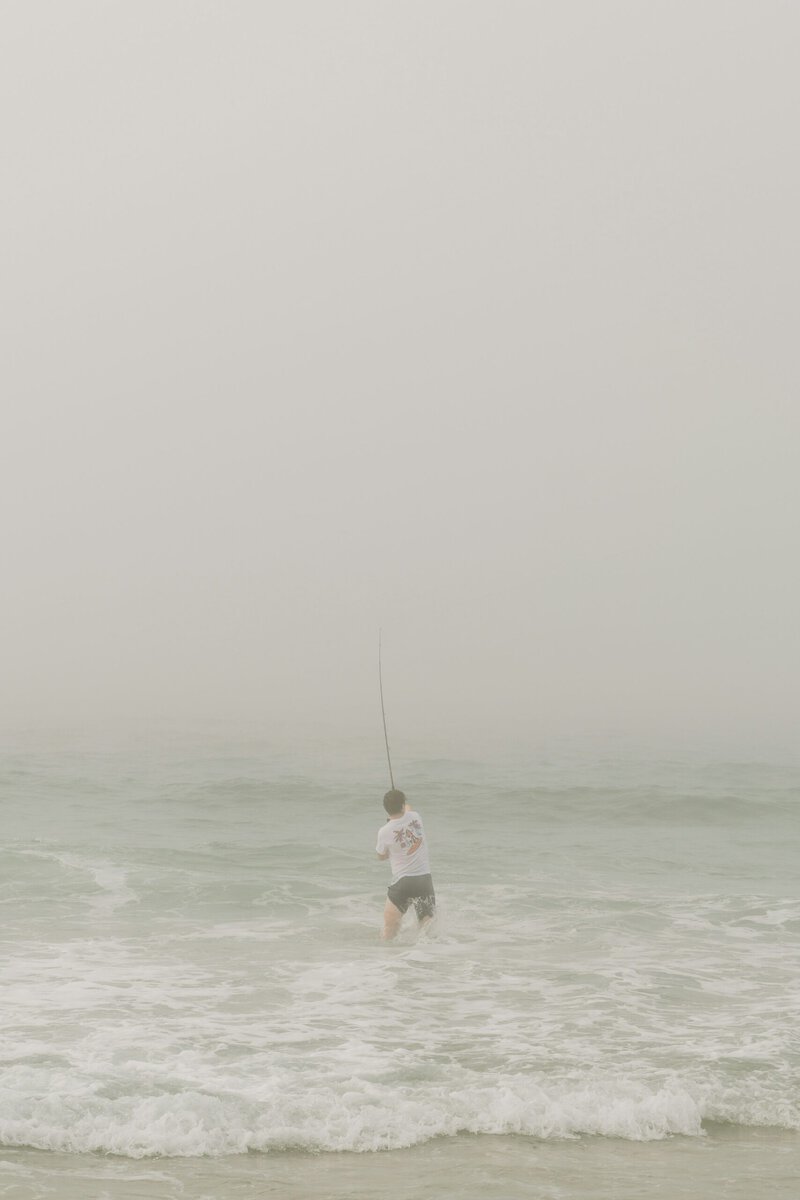
Smith’s diagnosis — stage 4 pancreatic cancer, untreatable — left him with a narrowing window and a clear sense of how he wanted to spend part of it. The Gulf of Mexico, which stretches to depths exceeding 14,000 feet at its Sigsbee Deep basin, was where he wanted to be. Local media documented the trip on video, capturing a man at peace on the water, doing exactly what he had asked to do one more time.
Recreational deep-sea fishing, as most anglers experience it, takes place in the top few hundred feet of the water column — physiologically forgiving for the humans on board, even if the depths below are not. Understanding the difference between those two realities illuminates both how accessible the ocean can feel and how absolute its limits actually are.
What “Deep-Sea Fishing” Actually Means
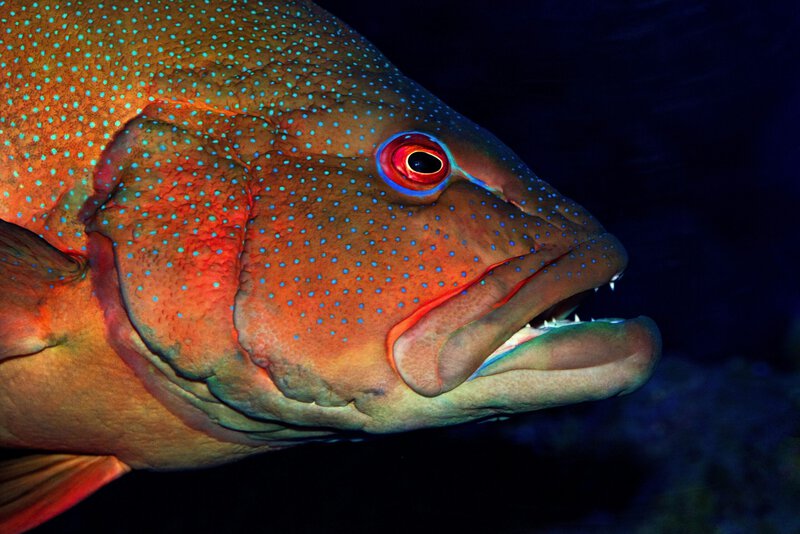
The term carries more romance than scientific precision. Recreational offshore fishing typically targets water between 100 and 600 feet deep. The species most commonly pursued at those ranges — grouper, red snapper, amberjack — already live under pressures many times greater than surface air pressure, and they pay a price when brought up quickly. The rapid decrease in surrounding pressure causes gas-filled organs, particularly the swim bladder, to expand faster than tissue can accommodate, producing a condition called barotrauma. Responsible anglers now use venting tools or weighted descender devices to return over-pressurized fish to depth before the damage becomes fatal.
For the people on the boat, the physiological risks are categorically different: heat exposure, dehydration, motion sickness, and the cardiovascular demand of fighting a large fish in open water. These are not trivial concerns, especially for a patient managing serious illness far from shore. But they are a world apart from the crushing physics that begin to dominate human physiology the moment a body descends below the surface.
The Physics of Pressure: Every 33 Feet Is Another Atmosphere
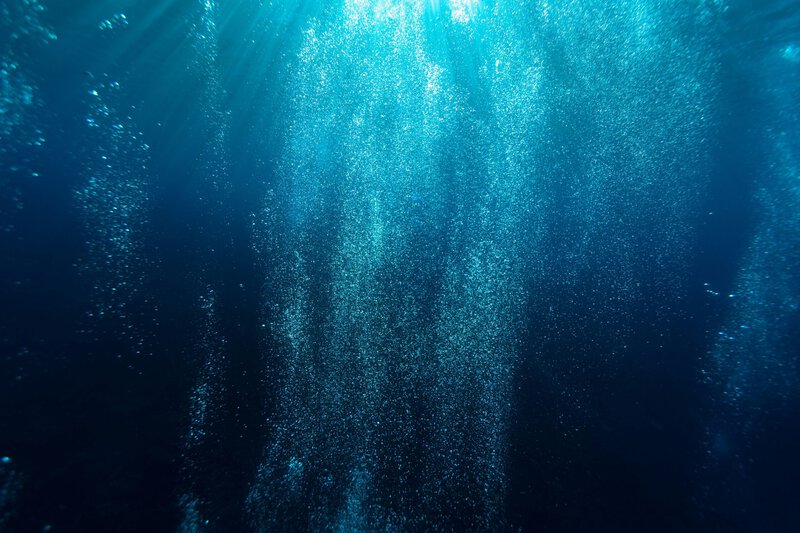
At sea level, the human body operates under approximately 14.7 pounds per square inch of atmospheric pressure — 1 atmosphere (atm). According to the National Oceanic and Atmospheric Administration (NOAA), pressure increases by 1 atm for every 33 feet (10 meters) of seawater descended. The numbers accumulate fast. At 330 feet, a body is already under 11 atm. At 1,000 feet, pressure exceeds 30 atm. At the bottom of the Mariana Trench — approximately 35,900 feet — it reaches roughly 1,086 atm, or about 15,750 pounds per square inch pressing inward on every surface.
The deepest confirmed breath-hold dive on record belongs to Herbert Nitsch, who descended to 830 feet in 2012 under roughly 26 atm. He suffered a stroke during ascent. The dive illustrated, with rare clarity, that the human physiological ceiling for unprotected depth is both genuinely impressive and sharply defined.
What Pressure Does Inside a Human Body
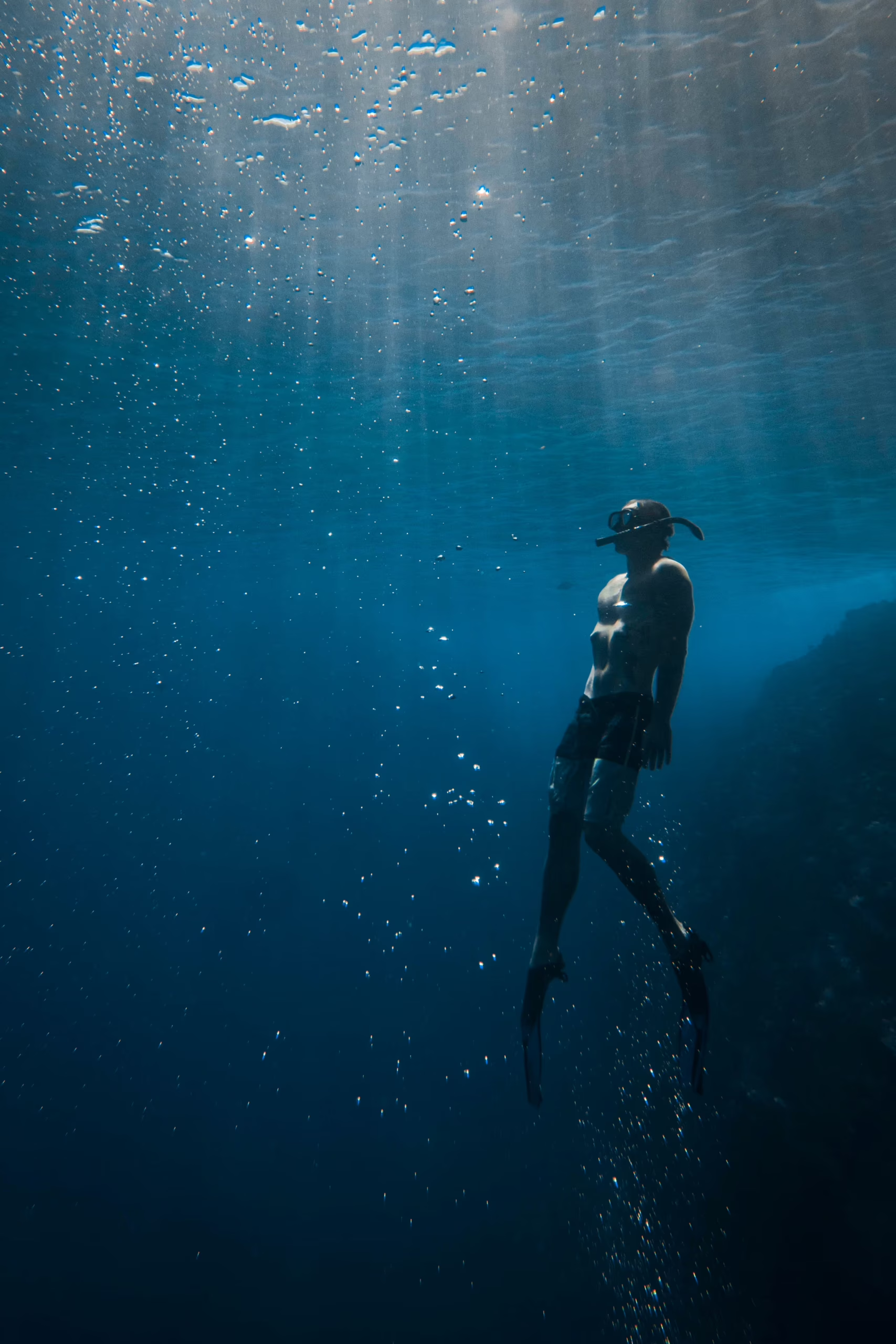
The instinctive fear of being “crushed” by water pressure is not quite accurate, and understanding why reveals something important about human physiology. Soft tissue transmits pressure relatively well because it is largely composed of water, which is essentially incompressible. The real danger lies in the gas-filled spaces: lungs, sinuses, the middle ear, and intestinal gas all compress violently under rapid pressure increase. When this process involves the lungs, it is called pulmonary squeeze — documented in the journal Diving and Hyperbaric Medicine — and it can cause hemorrhage and death even in experienced free divers.
Nitrogen, which makes up roughly 78 percent of the air we breathe, creates its own set of problems at depth. Around 100 feet, dissolved nitrogen begins affecting cognitive function in a condition called nitrogen narcosis — sometimes described as “rapture of the deep” — which can render a diver dangerously disoriented by 300 feet, according to the Divers Alert Network. The effect occurs because nitrogen dissolves into nerve cell membranes under pressure, producing neurological symptoms that resemble alcohol intoxication.
Ascend too rapidly after depth exposure and dissolved nitrogen comes out of solution in the blood and tissues as bubbles — the same process that produces carbonation when a pressurized bottle is opened. This is decompression sickness, commonly called “the bends,” and it can cause joint pain, paralysis, or death. The U.S. Navy Diving Manual outlines the structured decompression schedules that underpin the safety tables used by all modern diving agencies.
At depths below roughly 1,000 feet, a separate barrier emerges: high-pressure nervous syndrome (HPNS), identified by researchers at the Duke University Center for Hyperbaric Medicine. HPNS produces tremors, nausea, and seizures caused by pressure acting directly on the central nervous system, independent of narcosis or oxygen toxicity — one of the key reasons saturation divers working at extreme depths require carefully managed compression rates.
How Deep Can Humans Actually Go?
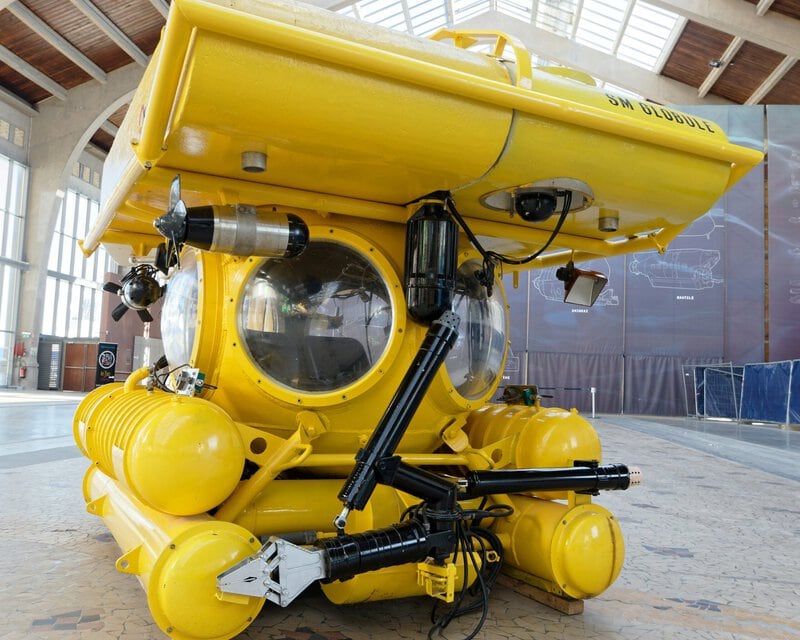
The answer depends entirely on how a human body is protected. Explorer Victor Vescovo reached the Challenger Deep — approximately 35,876 feet — in 2019, inside a specially engineered pressure vessel. That record belongs to materials science and engineering, not to unprotected human physiology.
For breath-hold divers, research published in the Journal of Applied Physiology estimates a theoretical physiological ceiling of approximately 1,000 feet based on lung compression modeling, though no one has approached that depth without serious injury. For recreational scuba divers breathing compressed air, major training agencies including PADI and NAUI set the practical limit at 130 feet — beyond which nitrogen narcosis and oxygen toxicity become acutely dangerous.
The technique that has extended human working depth most substantially is saturation diving, developed by the U.S. Navy in the 1960s. By keeping divers continuously pressurized for days or weeks at a time inside habitat chambers, saturation diving allows commercial and military divers to work near 1,000 feet without repeatedly incurring decompression risk. It works — and it is also a frank acknowledgment of how far outside our natural element the deep ocean truly is.
The Real Medical Risks of Deep-Sea Fishing From the Surface
For passengers on a recreational fishing vessel, the depths below are physiologically irrelevant. But offshore fishing carries genuine medical risk, particularly for people managing serious illness. The U.S. Coast Guard’s annual Recreational Boating Statistics consistently identify heat exposure, physical exertion, and rapid weather changes as leading contributors to medical emergencies at sea. Fighting a large fish in warm Gulf conditions places real cardiovascular demand on the body.
For patients on chemotherapy or complex pain management regimens, additional considerations apply. Motion sickness medications can interact with opioid pain management in ways that are difficult to monitor in open water. Dehydration, already a concern offshore, carries compounded consequences for patients whose systems are already under physiological stress. These are real variables — not reasons to refuse a final wish, but reasons why coordination with a palliative care team before such a trip matters.
And the case for going anyway is well-supported. Palliative care research published in the Journal of Pain and Symptom Management consistently links the fulfillment of specific, patient-identified goals to measurable improvements in psychological well-being and reported quality of life near the end of life. The science of what meaningful experiences do for a person running out of time is, in its own way, as clearly documented as the physics of what pressure does to a lung.
What Smith’s Story Tells Us About the Ocean — and Ourselves
Smith’s final wish was not to conquer the deep ocean. It was to be on it — to feel the Gulf moving beneath a hull, to pull something living from the water, to have one unambiguously good day. The ocean covers 71 percent of Earth’s surface and averages 12,100 feet in depth, according to NOAA, yet the vast majority of it remains as inaccessible to an unprotected human body as the surface of another planet. Physiology is unambiguous on this point: we are surface creatures, calibrated for 1 atm, poorly suited for the cold and crushing miles below.
And yet the pull of blue water is one of the most durable human impulses, present across every culture and every era. It does not consult the biology textbooks.
Smith described his trip as one of the best days of his life. That assessment, offered by a man who knew precisely how many days remained, carries more weight than any pressure table ever could — and no instrument yet designed is sensitive enough to measure it.