
Major depression affects an estimated 280 million people worldwide, according to the World Health Organization — yet for decades, every patient has received essentially the same diagnostic label, the same short list of first-line drugs, and the same dispiriting odds that the first treatment tried simply won’t work. A peer-reviewed study now indexed on PubMed Central may have identified a structural reason why: depression, the researchers argue, is not one disease.
The Core Finding
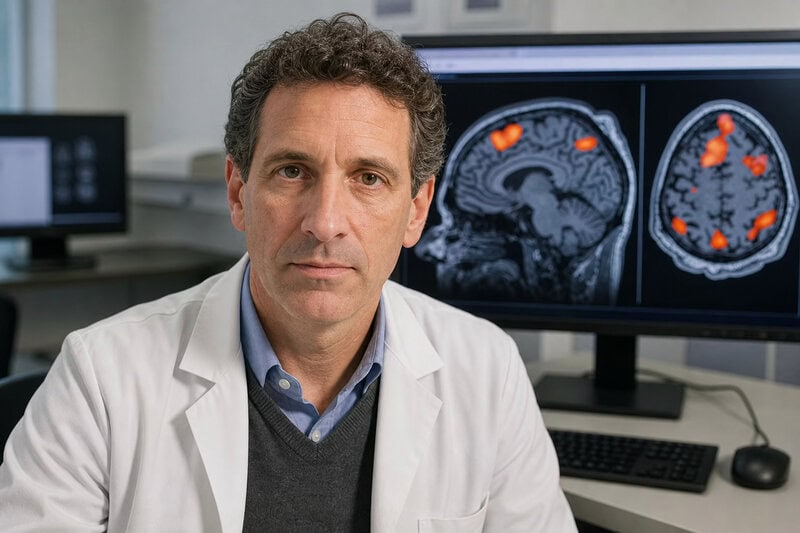
Using measurable differences visible in brain imaging data, researchers have divided major depressive disorder (MDD) into two biologically distinct subtypes — designated biotype 1 and biotype 2. The full study, Two Distinct Biotypes in Major Depression Unveiled, is available through PubMed Central.
The implications are direct. If two people who share the same diagnosis of major depression actually have neurologically different conditions, that finding offers a concrete scientific explanation for one of psychiatry’s most persistent frustrations: antidepressants that work well for one patient do nothing — or cause harm — for another. Treatment-resistant depression may not be simply bad luck. It may, at least in part, reflect a mismatch between a patient’s underlying biology and the treatment they received.
The result also arrives at a moment when the psychiatric community is actively working to redefine mental illness by measurable biology rather than symptom observation alone — an effort sometimes called precision psychiatry. The biotype discovery fits squarely within that agenda.
What ‘Two Types of Depression’ Actually Means
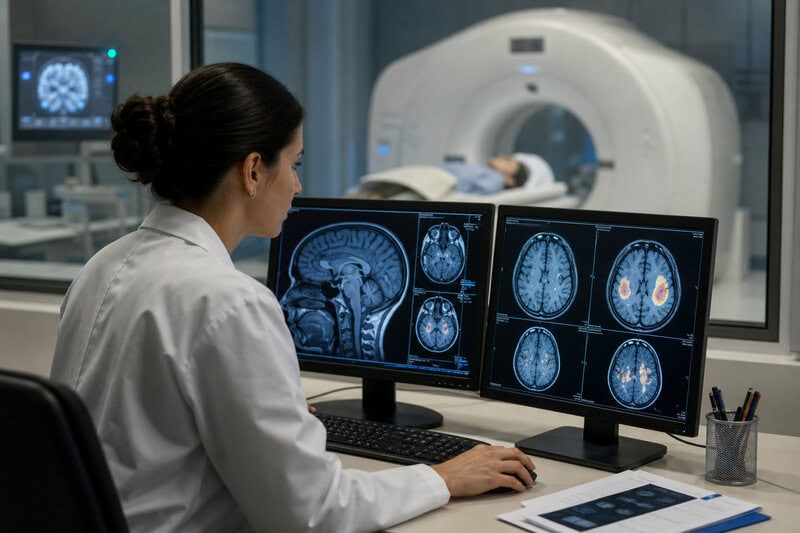
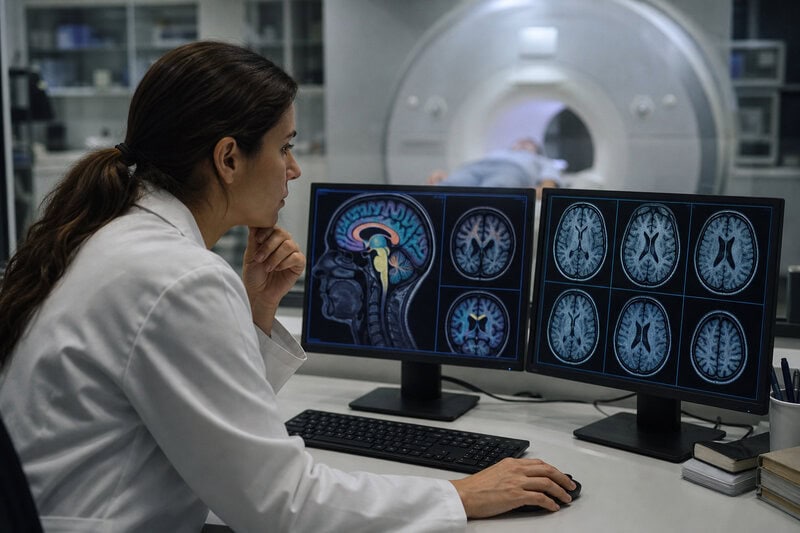
The term biotype is worth defining precisely, because it carries significant weight here. A biotype is a grouping defined by objective biological markers — measurable physical differences — rather than by how a patient describes feeling. In this study, the researchers categorized patients with MDD into biotype 1 and biotype 2 based on what they call neuromorphic aberrances: structural or functional abnormalities in the brain detectable and quantifiable through imaging, which distinguish the two groups from each other and from non-depressed brains.
Critically, patients in both biotypes still meet the standard clinical criteria for major depression. That means the distinction is currently invisible to a clinician relying on interviews and standardized symptom scales — the tools that define current diagnostic practice. A patient in either group would receive exactly the same diagnosis and, in most clinical settings, be offered the same initial treatment options.
A parallel from oncology is instructive. For most of the twentieth century, cancer was treated as a broadly unified category requiring broadly similar interventions. Once researchers identified distinct tumor biology — different receptor profiles, different genetic drivers — targeted therapies became possible and outcomes improved substantially. The researchers behind this work suggest MDD may be approaching a comparable threshold, as reported by Science Alert.
What the Brain Imaging Showed: Biotype 1 vs. Biotype 2
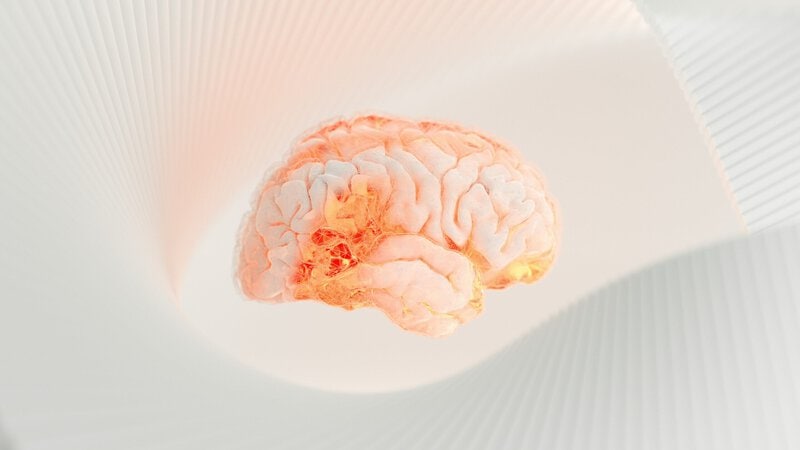
The two biotypes carry distinct neurological signatures that point toward different underlying mechanisms — a distinction that matters enormously for treatment selection.
Biotype 1 appears linked to elevated neuroinflammation. Neuroinflammation refers to activation of the brain’s resident immune cells — called microglia — in ways that can disrupt neural circuits governing mood, motivation, and cognition. Chronic low-grade neuroinflammation has been a growing focus in depression research for years, but this study is among the first to use inflammatory markers as a definitive sorting criterion between distinct patient groups, rather than simply as a general correlate of depression.
Biotype 2 shows a different profile: functional and structural differences that suggest altered connectivity patterns rather than a primary inflammatory process. The root biological cause appears to be distinct from what drives biotype 1.
The clinical distinction is not academic. Anti-inflammatory interventions currently under investigation as potential depression treatments — including certain cytokine-blocking drugs that dampen immune signaling — would theoretically address the mechanisms driving biotype 1. For biotype 2 patients, those same interventions may be irrelevant or counterproductive. Applying an anti-inflammatory approach to all depression patients, without knowing which biological category they fall into, would be precisely the kind of blunt-instrument approach the field is working to move beyond.
Why This Distinction Has Taken So Long to Emerge

Depression has historically been diagnosed entirely through symptom report. The DSM criteria — the diagnostic standard used across the United States and much of the world — require a clinician to identify a defined pattern of behaviors and reported experiences. No blood test, brain scan, or measurable biomarker of any kind is required. A diagnosis of major depression is, by design, biology-agnostic.
Brain imaging technology, including functional MRI and positron emission tomography, has only recently reached the resolution and scalability necessary to detect subtle structural and functional differences across large patient populations in a research context. Earlier studies found suggestive hints of neurological heterogeneity in depression but lacked either the statistical power or the methodological consistency to separate patients into reproducible biological groups. This study represents the kind of systematic approach required to make a claim of this kind hold up to scrutiny.
The field of precision psychiatry has been building explicitly toward biotype discovery for over a decade. This study is a meaningful step in that direction — though researchers are careful to note it is a step, not an arrival.
What This Means for Patients Now — and What It Doesn’t
The practical implications require careful framing, because findings of this kind can generate false hope or premature self-diagnosis if caveats are not stated plainly.
- This research does not yet change clinical practice. No clinician can today order a biotype test. The methodology used in this study requires independent validation across diverse populations before it becomes a clinical tool.
- Patients should not attempt to self-identify as biotype 1 or biotype 2 based on treatment history or symptom patterns. The sorting in this study was performed using neuroimaging — not self-reported experience — and the two groups are not distinguishable by how depression feels from the inside.
- The research does provide a scientific basis for the widely documented finding that roughly 30 to 50 percent of depression patients fail to respond adequately to first-line antidepressants. What has been missing is a biological explanation grounded in measurable brain differences. This study begins to supply one.
- SSRIs and SNRIs remain first-line, evidence-based treatments for major depression. The consensus on their effectiveness for the patients they help has not changed and should not be abandoned on the basis of emerging biotype research.
What the research does validate, and validate powerfully, is something many patients have long reported and long felt dismissed for saying: that depression can feel fundamentally different from person to person, and that one-size-fits-all pharmacology reflects a structural problem built into current diagnostic categories — not merely individual bad luck.
Where This Fits in 2025 Depression Research
This biotype study arrives during a broader and accelerating reassessment of what depression is, biologically. Recent years have seen multiple high-profile papers challenging the simplified serotonin-deficiency model of depression — the hypothesis that underpinned SSRI development for roughly four decades. That model has not been discarded, but it is now understood to be incomplete.
The neuroinflammation hypothesis — the idea that depression in a meaningful subset of patients is fundamentally an immune and inflammatory disorder that manifests in the brain — has moved from the fringes of research into the actively funded mainstream. Parallel work on ketamine, transcranial magnetic stimulation, and psychedelic-assisted therapy has further demonstrated that radically different biological mechanisms can produce equivalent symptom relief, circumstantially supporting the proposition that patients arriving with the same diagnosis may have profoundly different underlying conditions.
None of this displaces the existing evidence base for depression treatment. It expands the biological frame through which depression is understood — and opens the door to more targeted interventions for the patients current treatments consistently fail.
The Path to a Biology-Based Depression Diagnosis
The most critical next step is replication. Independent research teams, working with diverse patient populations and potentially different imaging protocols, must confirm that biotype 1 and biotype 2 are reproducible and stable categories before the field can treat them as established clinical facts. A single peer-reviewed study, however well-designed, is a beginning — not a conclusion.
If the biotypes are validated at scale, the practical pathway forward becomes more defined. A pre-treatment imaging protocol, or a blood-based inflammatory marker panel, could eventually inform a clinician — before the first prescription is written — which biological category of depression a patient has. Drug development would become more precise: researchers already investigating anti-inflammatory compounds for depression would gain a more exact patient-selection tool, improving the odds that clinical trials produce actionable results rather than muddied aggregates across biologically mixed populations.
The broader promise is a future in which a diagnosis of major depression routinely comes with a biological subtype — much as a diagnosis of breast cancer today is routinely followed by receptor-status testing that directly shapes treatment decisions. The goal is matching biology to therapy, rather than cycling through options until something works.
That future is not here yet. But a peer-reviewed study identifying two biologically distinct forms of major depression, using measurable brain data rather than symptom observation, suggests the path toward it is meaningfully shorter than it was before this work was published.