
When radiologist Dr. Randall Thompson and his colleagues at the Mid America Heart Institute ran CT scans on 137 ancient mummies from four different civilizations, they expected to find the pristine arteries of people who ate whole foods and walked everywhere. Instead, they found calcified arterial plaques — the hallmark of atherosclerosis, the same condition a cardiologist sees in a modern catheterization lab — in 38 percent of specimens, including Egyptians who died roughly 1,500 years before the Common Era. That finding, published in The Lancet in 2013, forced a fundamental rethink of one of medicine’s most comfortable assumptions: that heart disease is a punishment for modern habits. It turns out the disease is far older, and far more human, than anyone expected.
What Visitors Encounter at ‘Discover Mysteries of the Nile’
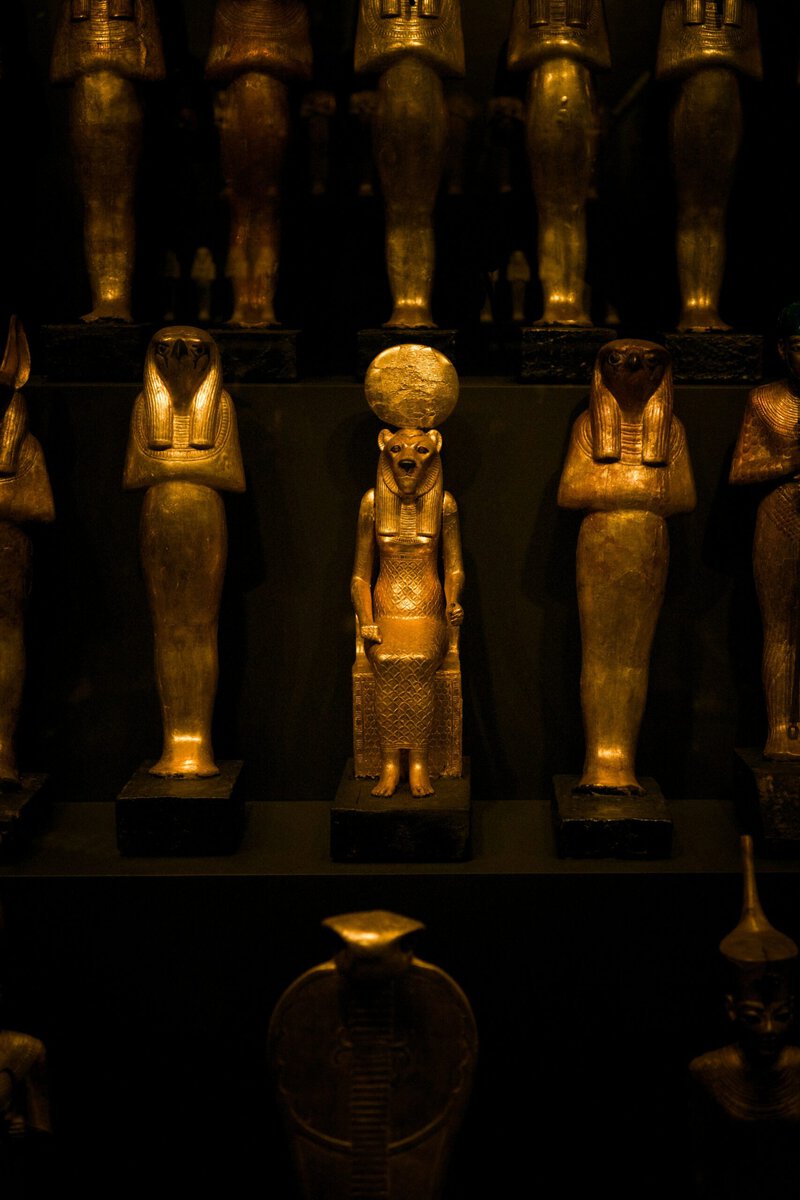
Tampa has never hosted an exhibition like this before. The Tampa Museum of Art’s Discover Mysteries of the Nile is the first ancient Egypt exhibition in the city’s history, bringing together 117 artifacts that span an enormous sweep of time and human experience — from prehistoric black-topped ceramic vessels among the earliest objects in Egyptian material culture, to pharaoh sculptures, sections of sarcophagi, and ancient Egyptian mummies displayed in full funerary context.
The curatorial logic is both chronological and thematic. Objects related to kings and queens share gallery space with an immersive section on daily life, so visitors move between the elaborate ritual world of Egyptian elites and the ordinary human world that now, through science, speaks with surprising medical authority. Those 117 artifacts are not merely aesthetic achievements — they are physical representatives of a civilization whose preserved human remains are actively changing how cardiologists, infectious disease specialists, and geneticists understand the deep history of illness.
For Tampa audiences, that context transforms a visit into something more than a cultural field trip. Standing within feet of these objects means standing at the intersection of art history, funerary ritual, and a legitimate branch of clinical research called paleopathology — the study of disease in ancient populations.
How a CT Scanner Became Archaeology’s Most Powerful Tool
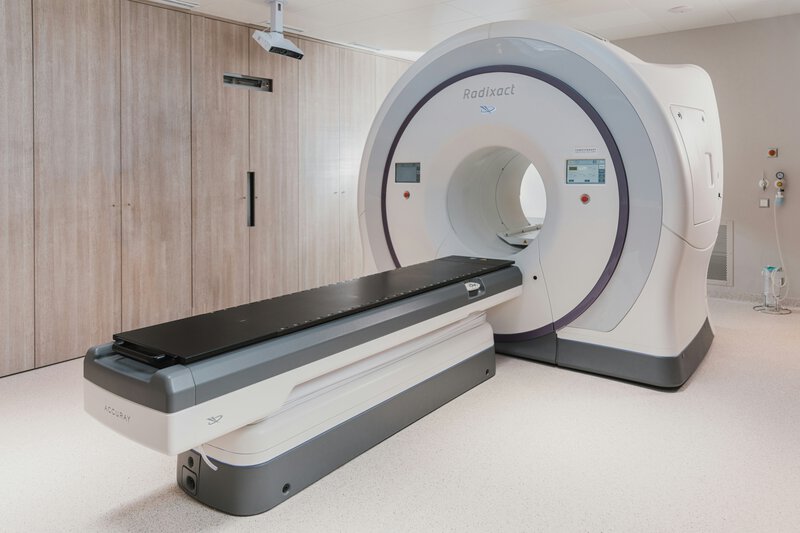
CT scanning — computed tomography, a medical imaging technique that uses rotating X-ray beams to build three-dimensional internal maps of tissue and bone — has become the single most transformative instrument in mummy research. Its essential advantage is non-invasiveness: researchers can examine a mummy’s interior without unwrapping a single bandage layer or disturbing funerary preparations that ancient embalmers spent weeks completing.
The Egyptian Mummy Project, based at Cairo University and active since 2005, has CT-scanned more than 40 royal mummies held in the Egyptian Museum. Findings published in JAMA in 2012 identified atherosclerosis in 9 of 16 mummies with identifiable cardiovascular tissue — a prevalence rate the researchers compared to modern Western populations. The same scans revealed healed fractures, evidence of surgical interventions, parasitic infections including schistosomiasis (a waterborne parasite still endemic in the Nile Delta today), dental abscesses, and tumors.
One important caveat that mainstream coverage frequently omits: CT findings can confirm the presence of disease markers but cannot always establish cause of death. Researchers are careful to separate correlation from confirmed diagnosis, and that distinction matters when interpreting headlines about ancient heart attacks.
The Atherosclerosis Discovery: What the Science Actually Says
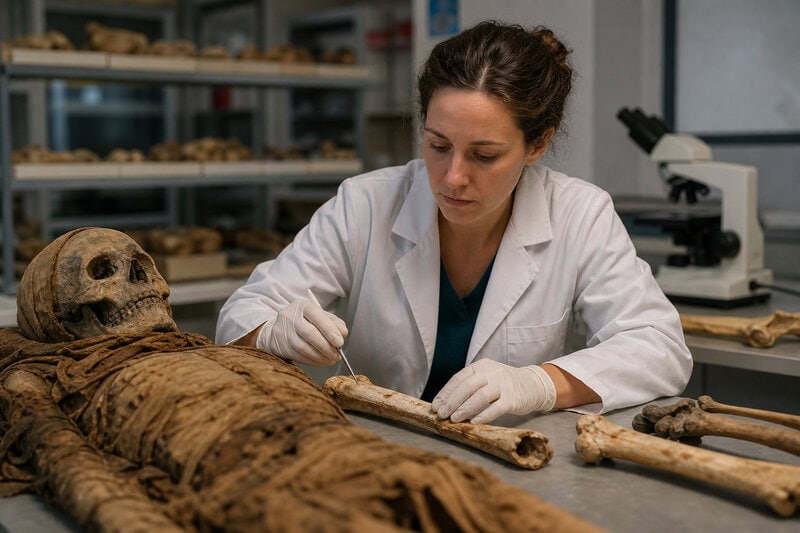
The 2013 Thompson et al. study is now the established cornerstone of the field. Atherosclerosis — the buildup of fatty, calcified plaques inside arterial walls — was documented not only in Egyptian mummies but also in mummies from Peru, the Ancestral Puebloans of North America, and the Unangan people of Alaska. These four populations had wildly different diets and activity levels, which suggests that arterial aging may involve a baseline biological process that is not solely a product of industrial food systems.
The proposed mechanism points toward chronic infection and systemic inflammation, rather than dietary fat alone, as a driver of plaque formation. Egyptian mummies showed high rates of infectious disease — malaria, tuberculosis, and leishmaniasis among them — that would have produced persistent inflammatory states throughout an individual’s life. An analysis published in PLOS ONE in 2014 by Nerlich and Lösch examined this inflammatory pathway in detail, finding it a plausible accelerant of vascular disease in ancient populations.
The contested ground is worth acknowledging honestly. Some cardiologists have noted that Egyptian priestly and royal individuals — the class most likely to be carefully mummified and therefore overrepresented in museum collections — ate rich diets heavy in duck, beef, and honey, making dietary fat a plausible confounding variable. The Thompson research team acknowledged this sampling bias explicitly in their original paper. The finding does not exonerate modern diet. What it establishes is that human arteries have been aging imperfectly for millennia — a nuance that matters for how clinicians think about genetic versus lifestyle contributions to cardiovascular risk.
Other Medical Secrets Written in Bone and Tissue
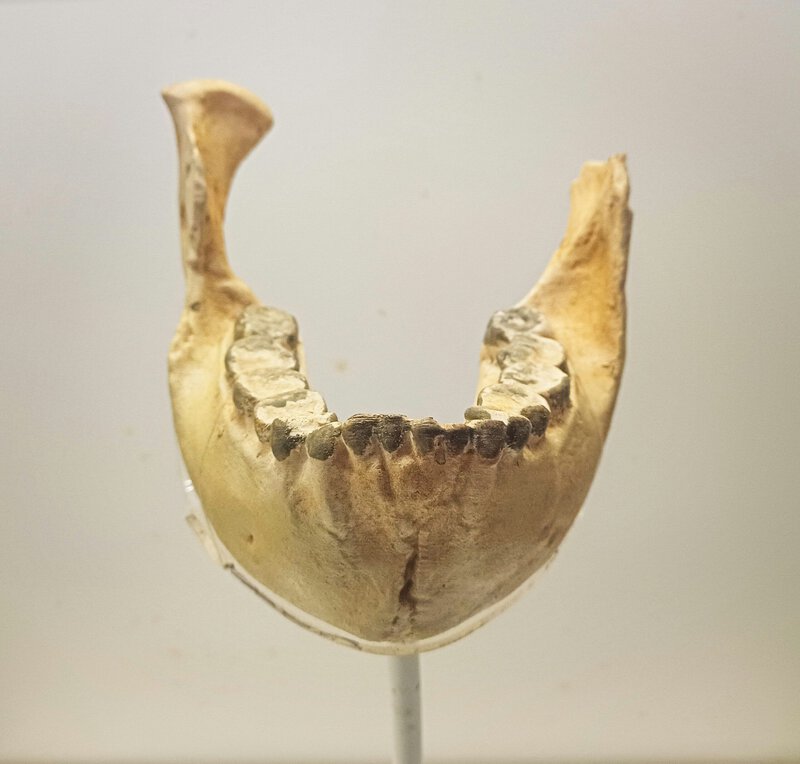
Atherosclerosis is the most headline-grabbing discovery, but it is far from the only one emerging from Egyptian mummy research.
- Dental disease: A 2014 study in Archives of Oral Biology examining 3,000 years of Egyptian skeletal remains found tooth decay accelerating sharply after the widespread adoption of agricultural grain diets. It is one of the earliest measurable records of diet-driven disease transition in the archaeological record, mirroring patterns that modern epidemiologists document in contemporary populations adopting processed-food diets.
- Infectious disease: DNA analysis of mummy tissue by researchers at the University of Tübingen, published in PLOS Pathogens in 2013, confirmed Plasmodium falciparum malaria in specimens dating to at least 3,200 BCE — pushing the documented history of humanity’s deadliest infectious disease back by centuries and confirming that ancient Egyptian communities lived under substantial infectious pressure.
- Occupational injury: CT scans of worker-class mummies from Amarna, the short-lived capital of the pharaoh Akhenaten, revealed compression fractures in lumbar vertebrae consistent with heavy lifting beginning in youth. This evidence was documented by the Amarna Project directed by Dr. Barry Kemp of Cambridge University, and it reminds researchers that the medical archive in Egyptian remains includes not just royalty but laboring populations whose bodies recorded the physical cost of building one of history’s most ambitious civilizations.
- Ancient DNA and population genetics: Researchers are now extracting ancient DNA from mummy hair and bone to map migration, kinship, and population genetics across dynastic Egypt. The field is new enough that scientists describe current findings as preliminary, with significant peer-reviewed results still emerging.
What Ancient Egyptian Medicine Knew — and Got Right
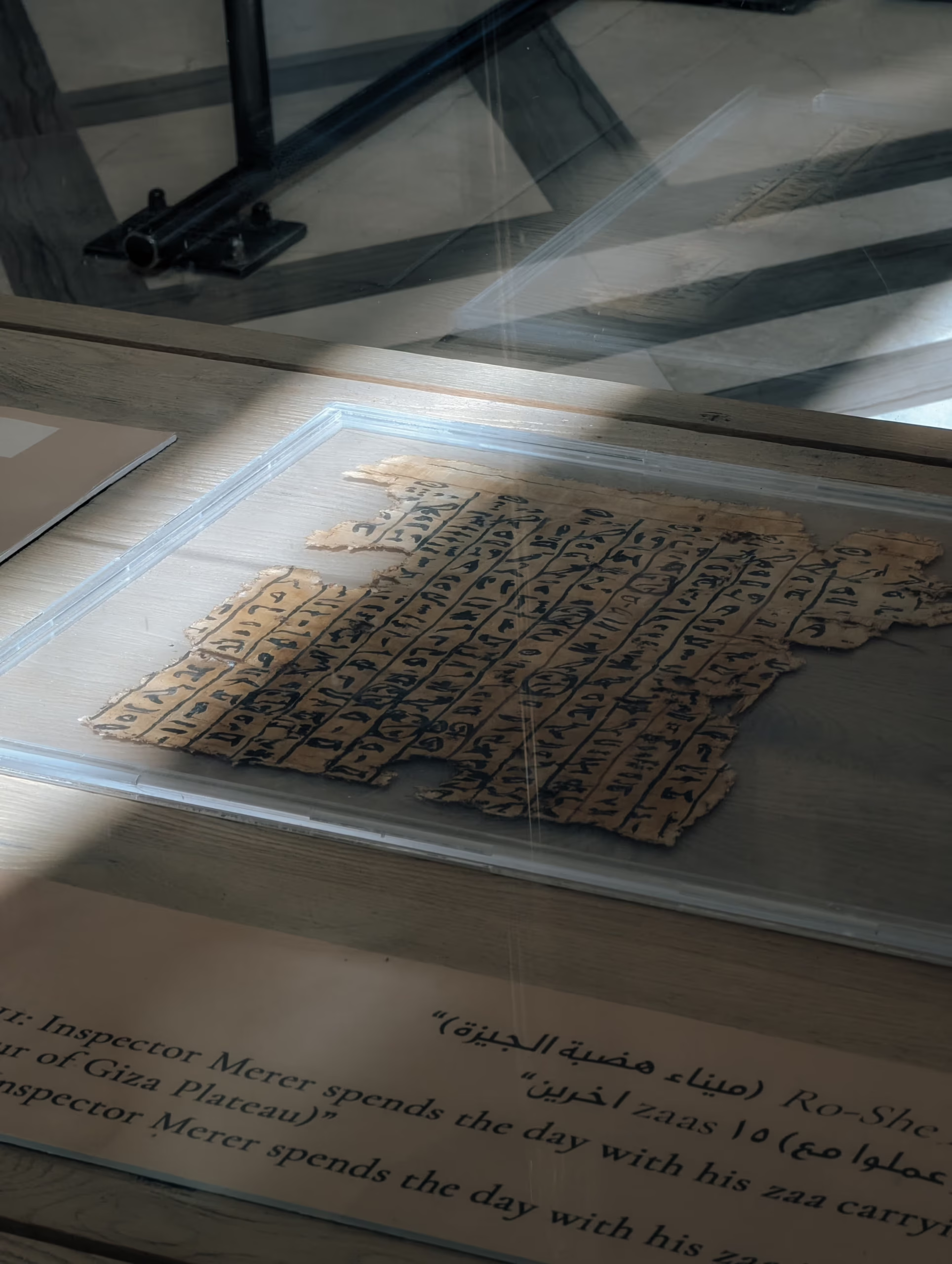
The civilization producing these mummies was not merely a passive subject of modern medical investigation. It was itself a practicing medical culture with documented achievements that retain scientific relevance today.
The Ebers Papyrus, dated to approximately 1550 BCE and housed at the University of Leipzig, is considered the most complete surviving ancient medical document. Among its more than 700 remedies are willow-bark preparations used for pain and inflammation. Willow bark is a natural source of salicylic acid — the active compound in aspirin. Egyptian physicians arrived at this treatment empirically, through observation, roughly 3,500 years before pharmaceutical chemists isolated the underlying mechanism.
The Edwin Smith Papyrus, dated to approximately 1600 BCE and now held at the New York Academy of Medicine, presents 48 clinical cases organized with systematic examination, diagnosis, prognosis, and treatment — a rational, observational framework that historian James Henry Breasted, who produced the first complete translation in 1930, described as the earliest known scientific document. Egyptian physicians also recognized the heart as central to the body’s vascular system and described pulse-taking as a diagnostic tool — conceptually accurate even where their anatomical understanding was incomplete by modern standards.
An important calibration is warranted here. Egyptian medicine coexisted with ritual and magical practice; it would overstate the case to attribute fully modern scientific reasoning to ancient practitioners. The more accurate framing is that Egypt developed sophisticated empiricism within a cosmological worldview — not instead of one. The two systems operated in parallel, not in opposition.
Why This Exhibition Matters Beyond the Gallery Walls
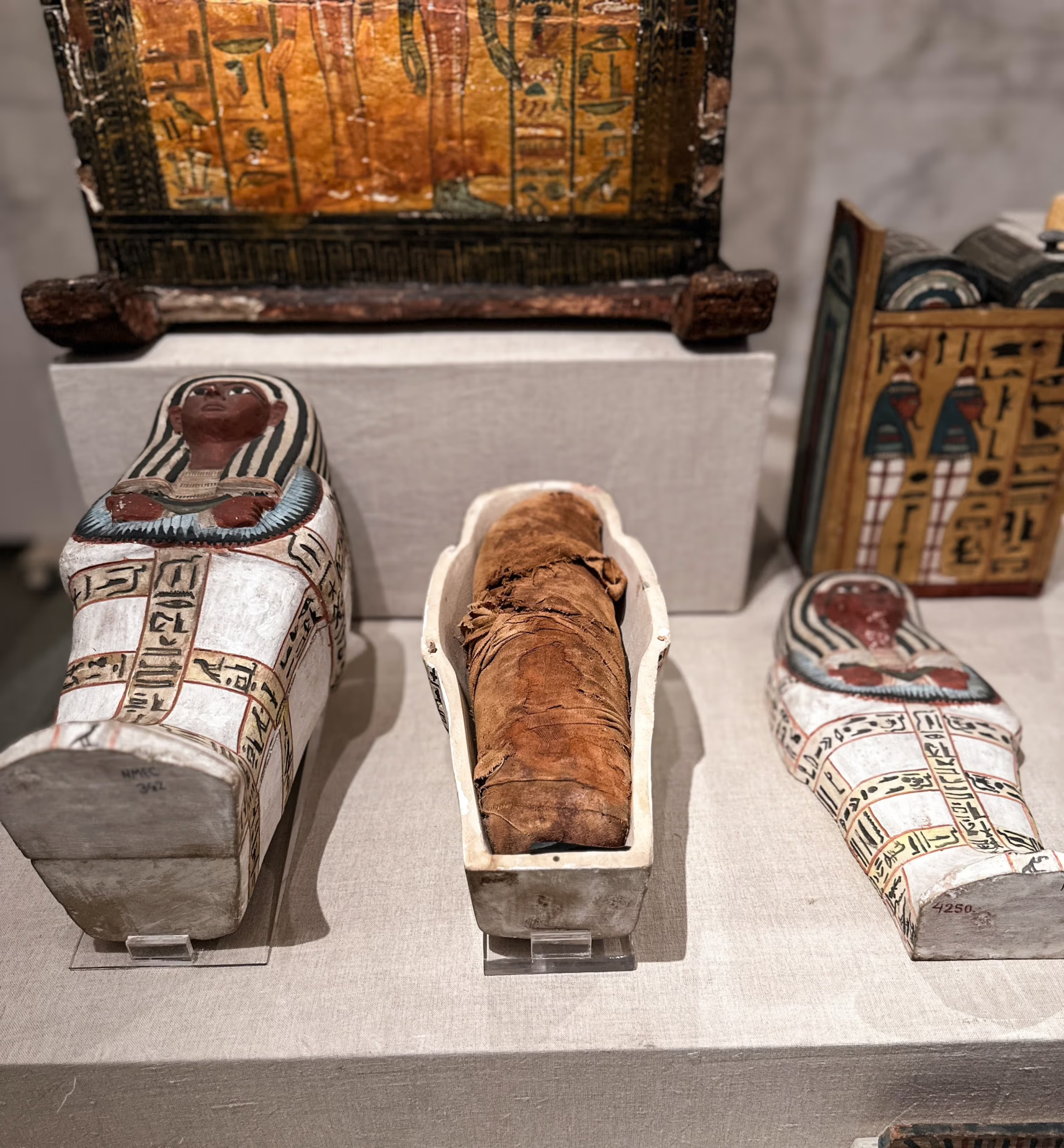
Ancient Egyptian mummies and pharaoh sculptures arriving at the Tampa Museum of Art is a significant cultural event for the region, but the scientific dimensions of what these objects represent extend well beyond any single city or exhibition season. The same culture that produced the 117 artifacts in Discover Mysteries of the Nile — the prehistoric vessels, the royal sculptures, the funerary assemblages — also produced human remains that are actively reshaping how physicians, geneticists, and epidemiologists understand the deep roots of human illness.
For visitors, the practical takeaway is durable: disease is not a modern punishment for modern habits. It is an ancient feature of human biology that ancient peoples observed, documented, and attempted to treat with the tools and knowledge available to them. The mummies on view in Tampa are not curiosities from a vanished world. They are, in a specific scientific sense, our medical predecessors — patients whose bodies are still yielding data.
The Tampa Museum of Art’s Discover Mysteries of the Nile is open to the public. Visitors should check the museum’s exhibition page for current ticketing information, gallery hours, and any accompanying lectures or programming that explore the scientific and historical dimensions of the collection.