
Sometime in 2027, hundreds of wine grape seeds will leave Earth aboard a resupply mission to the International Space Station — and the genetic changes they accumulate during six months in orbit could quietly reshape how scientists breed crops for a warming planet. Here is how that mission came to be, and why it matters.
The Core Problem: Earth’s Magnetic Shield Doesn’t Reach the ISS
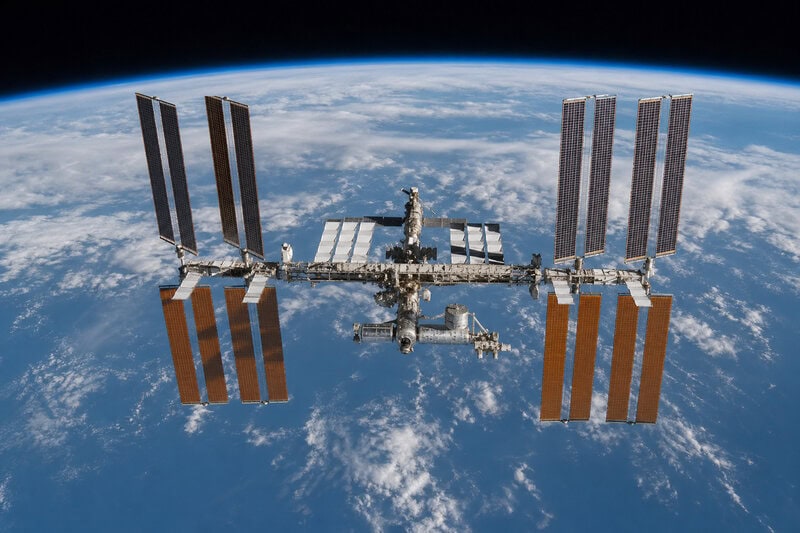
Earth’s magnetosphere deflects much of the galactic cosmic radiation that bombards the solar system, but that protection effectively vanishes roughly 400 kilometers up, where the International Space Station orbits. Seeds aboard the ISS are exposed to radiation levels far higher than anything experienced in a terrestrial vineyard — an extreme environment that Texas A&M researchers intend to use as a natural mutagen chamber, probing how plant DNA responds under conditions impossible to fully replicate on the ground.
Understanding how high-energy particles alter DNA sequences is a foundational question for both long-duration space agriculture and climate-adaptive farming on Earth. In this framing, the ISS is not merely a destination but an instrument: a radiation environment that could accelerate the kind of genetic experimentation that would otherwise take generations of selective breeding to achieve naturally.
Texas A&M AgriLife Officially Announces the Mission
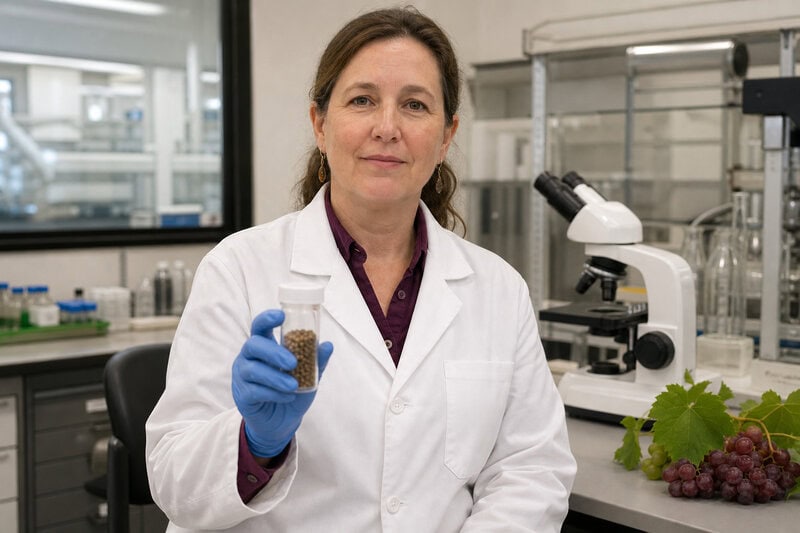
Texas A&M AgriLife published a formal announcement on June 10, 2026, confirming plans to send wine grape seeds to the International Space Station to study cosmic radiation, plant genetics, and crop resilience. The project represents a rare intersection of viticulture — the science of grape cultivation — and space biology, targeting a fruit crop with deep agricultural and economic roots in Texas.
Hundreds of wine grape seeds, not a token sample, are slated for the flight. That population size gives researchers a statistically meaningful number of specimens to analyze for genetic changes after return, strengthening the scientific rigor of whatever findings emerge from the post-mission planting phase.
Students Design a Specialized Carrier to House the Seeds
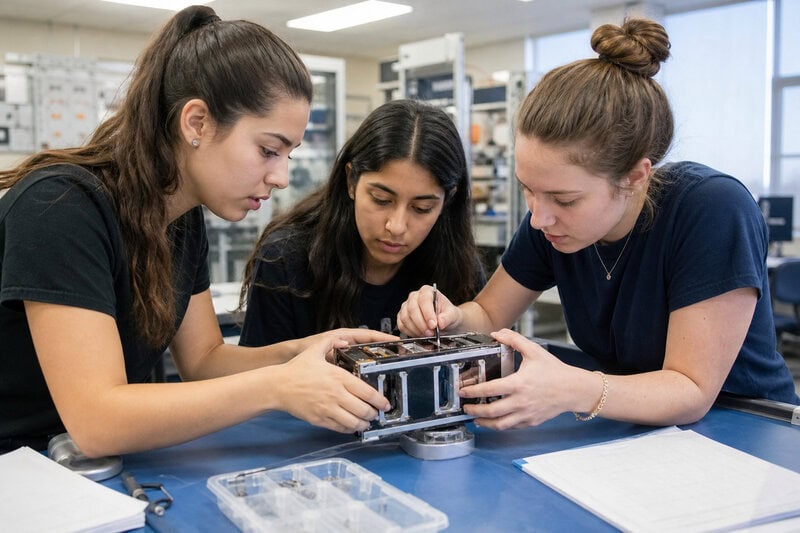
Spectrum Local News reported on June 19, 2026 that students engineered a purpose-built carrier to house the grape seeds during their orbital stay — a hardware challenge that requires securing seeds while allowing unobstructed exposure to the cosmic radiation the experiment depends on. The carrier must also meet ISS safety and stowage requirements and prevent contamination during a roughly six-month mission.
Student involvement in hardware design reflects a broader trend in space agriculture research, in which university teams take on end-to-end mission roles traditionally reserved for government or commercial aerospace contractors. For the students involved, designing flight-ready hardware collapses the distance between classroom biology and operational spaceflight engineering in a way few academic experiences can match.
A 2027 Launch Window Is Confirmed
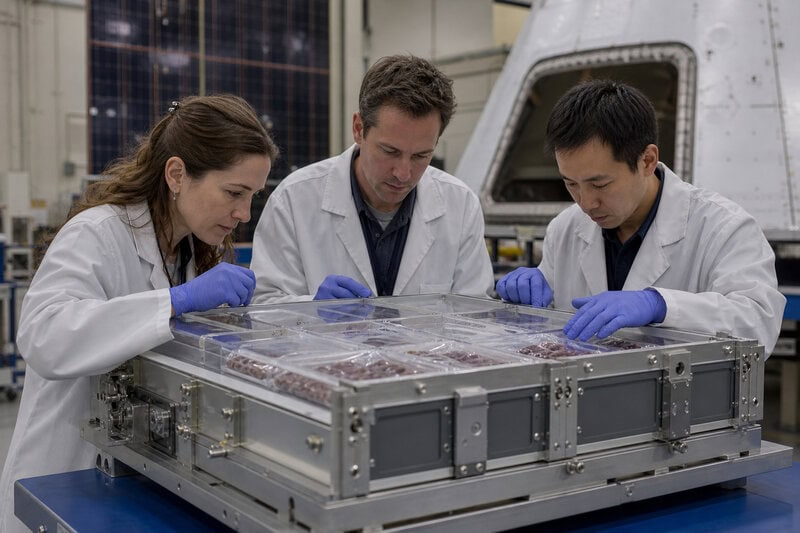
KBTX reported on June 24, 2026 that the launch is scheduled for 2027, giving the team roughly a year from the public announcement to finalize seed selection, carrier fabrication, and ISS logistics. A 2027 target aligns with routine cargo resupply missions to the station, which regularly carry scientific payloads from universities and research institutions alongside crew supplies.
The confirmed timeline moves the project from conceptual announcement to operational planning — a distinction that matters when evaluating the mission’s status. This remains an emerging, still-contingent endeavor: the launch has not yet occurred, and the science it promises depends on a successful flight, a clean six-month stay, and an intact sample return.
Why Six Months in Orbit Is Central to the Experiment’s Design
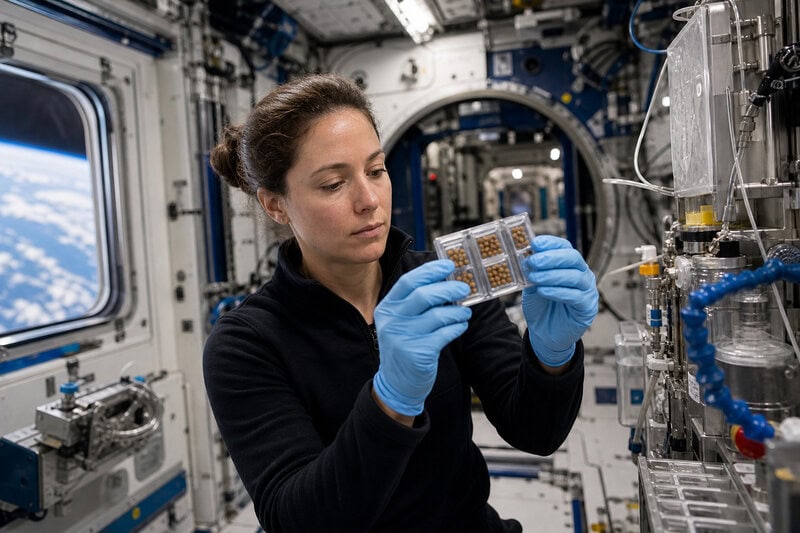
According to reporting by KBTX and Popular Science, the grape seeds are planned to spend approximately six months aboard the ISS — a duration chosen to accumulate sufficient cosmic radiation exposure to produce detectable, studyable genetic mutations. In microgravity plant biology, longer exposure windows increase the probability that high-energy particles will strike and alter DNA base pairs in ways that shorter flights would not reliably generate.
Six months also mirrors the length of a standard ISS crew rotation, making it operationally convenient to integrate a seed-return event with crew handover logistics. That alignment between scientific need and operational rhythm is the kind of practical consideration that helps small university payloads find berths on crowded resupply manifests.
After Splashdown: Planting Mutated Seeds to Read the Genetic Record
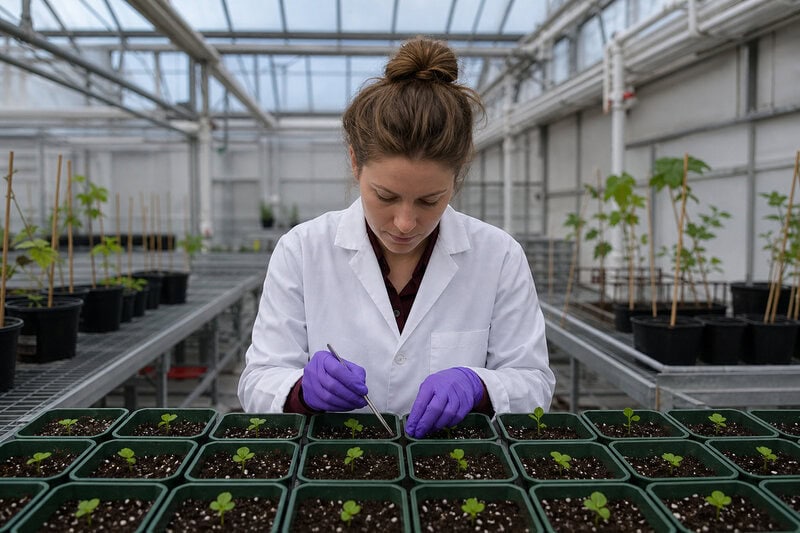
After splashdown and sample retrieval, the space-exposed seeds will be returned to researchers at Texas A&M and planted, according to KBTX — transforming them from radiation-experiment subjects into living specimens whose observable traits can be compared directly with Earth-grown control plants from the same seed stock. That side-by-side comparison is where the real science begins.
Monitoring the returned seeds over multiple growing seasons allows researchers to distinguish transient cellular stress responses from heritable genetic mutations, the latter being far more agriculturally significant. Any mutations that enhance drought tolerance, disease resistance, or fruit quality could, in principle, be bred into commercial wine grape varieties — illustrating the direct link between space biology and practical Earth-side farming.
A First-of-Its-Kind Platform for Fruit Crops
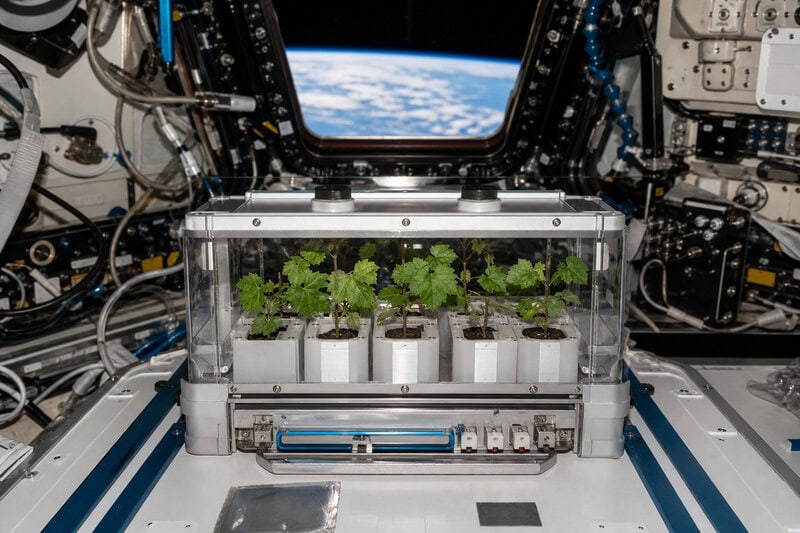
The experiment has been characterized as a first-of-its-kind research platform involving a fruit crop sent beyond Earth’s protective atmosphere, according to Spectrum News 1 TX. Prior ISS plant biology experiments have focused heavily on leafy greens — notably through NASA’s Veggie system — and on model organisms such as Arabidopsis thaliana. Perennial fruit crops such as grapevines have been largely absent from the space-biology literature, making this mission a genuine gap-filler rather than an incremental follow-on study.
Establishing baseline data matters because it creates the first reference point for how Vitis vinifera genetics respond to the combined stresses of microgravity and cosmic radiation. Without that baseline, every subsequent experiment in this area would lack the comparative foundation needed to interpret results reliably.
The Broader Ambition: Space Research as a Bridge to Climate-Resilient Farming
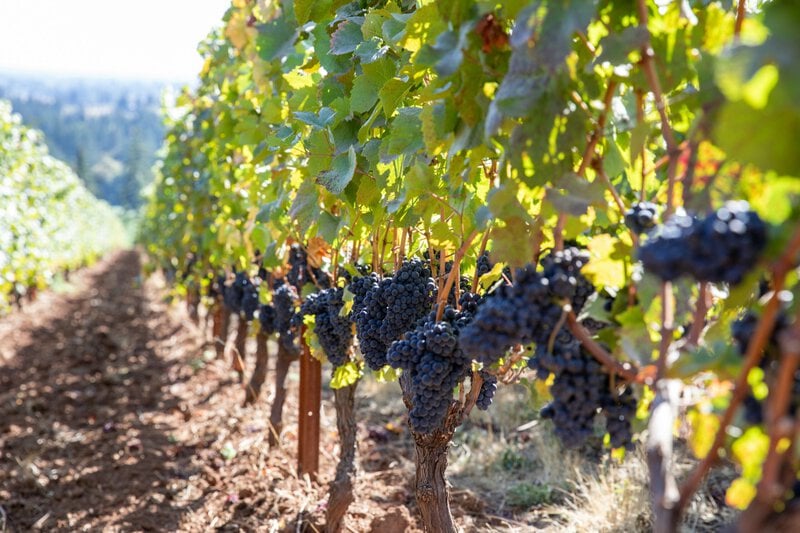
Texas A&M AgriLife has framed the mission in terms of both space agriculture research and terrestrial crop resilience, acknowledging that radiation-induced mutations could yield grape varieties better equipped to survive heat stress, water scarcity, or fungal pressure — challenges already intensifying in Texas wine country. This dual-use logic — solving space farming problems while simultaneously generating tools for Earth-side agriculture — is increasingly central to how NASA, university partners, and funding agencies justify the cost of sending biological payloads to the ISS.
It is equally important to be clear about what this project is not yet: no mutations have been documented, and whether any will prove agronomically useful remains an open scientific question that the post-return planting phase is specifically designed to begin answering. The Texas A&M grape-seed mission has moved with notable speed from concept to operational planning — and if those seeds return intact and yield meaningful genetic data, they could mark the beginning of a genuinely new chapter in both space biology and climate-adaptive agriculture.