
In February 2021, Winter Storm Uri knocked out roughly 34,000 megawatts of generation capacity in Texas almost simultaneously — not because the grid had too many wind turbines, but because frozen natural-gas pipelines starved the state’s predominantly fossil-fueled power plants of their fuel. An estimated 4.5 million homes lost power in freezing temperatures, and hundreds of people died. The system Texans had been told was reliable turned out to be brittle in exactly the way critics of centralized, single-fuel infrastructure had long warned.
That crisis is a useful entry point for a harder question: when policymakers, utilities, and voters debate the shift toward electrification, are they asking the right question? The debate tends to orbit reliability — whether the lights stay on under ordinary conditions. The more consequential question is resilience — whether the system survives and recovers when conditions stop being ordinary. Those two properties are related but distinct, and conflating them has quietly distorted the public conversation about electrification for years.
The Blackout Paradox: When ‘Reliable’ Fossil Fuels Go Dark
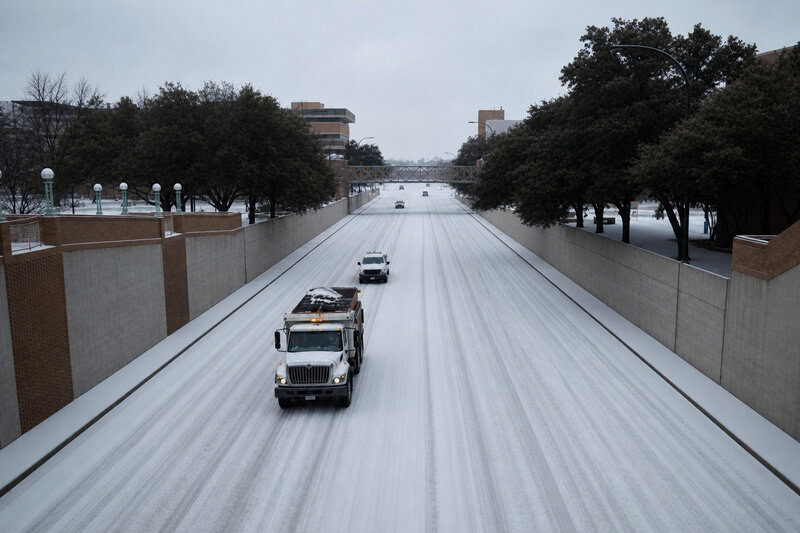
Fossil fuels carry a cultural reputation for dependability that the engineering record does not consistently support. Coal, natural gas, and oil are tangible, storable, and familiar — qualities that translate intuitively into a sense of solidity. Yet the ERCOT crisis is one of dozens of documented cases in which centralized, fuel-dependent infrastructure collapsed under stress precisely because of its rigidity. A single supply-chain disruption — frozen wellheads and compressor stations — cascaded into a humanitarian emergency within hours.
The structural reason is straightforward. Large fossil-fueled generating stations are discrete, high-capacity nodes. When a node fails, the loss ripples system-wide because it was doing significant work. That topology — a small number of large, interdependent nodes — is inherently vulnerable to correlated failures: the same weather event that freezes a pipeline also freezes the compressor station and the backup generator at the substation. Every link in the chain shares the same environmental exposure.
This article’s core argument is direct: electrification, built on distributed solar generation, smart storage, and a modernized transmission network, does not weaken power-system resilience. A growing body of engineering analysis and utility-sector research suggests it strengthens it. Understanding why requires being precise about the terms.
Energy resilience is a power system’s ability to anticipate, absorb, and rapidly recover from disruptions — whether caused by extreme weather, cyberattack, or fuel-supply shocks. Reliability is how often the lights stay on under ordinary operating conditions. A system can score well on reliability statistics right up until a hundred-year storm exposes a fatal structural weakness, as Uri demonstrated.
The Three Structural Vulnerabilities of Fossil-Fuel Grids
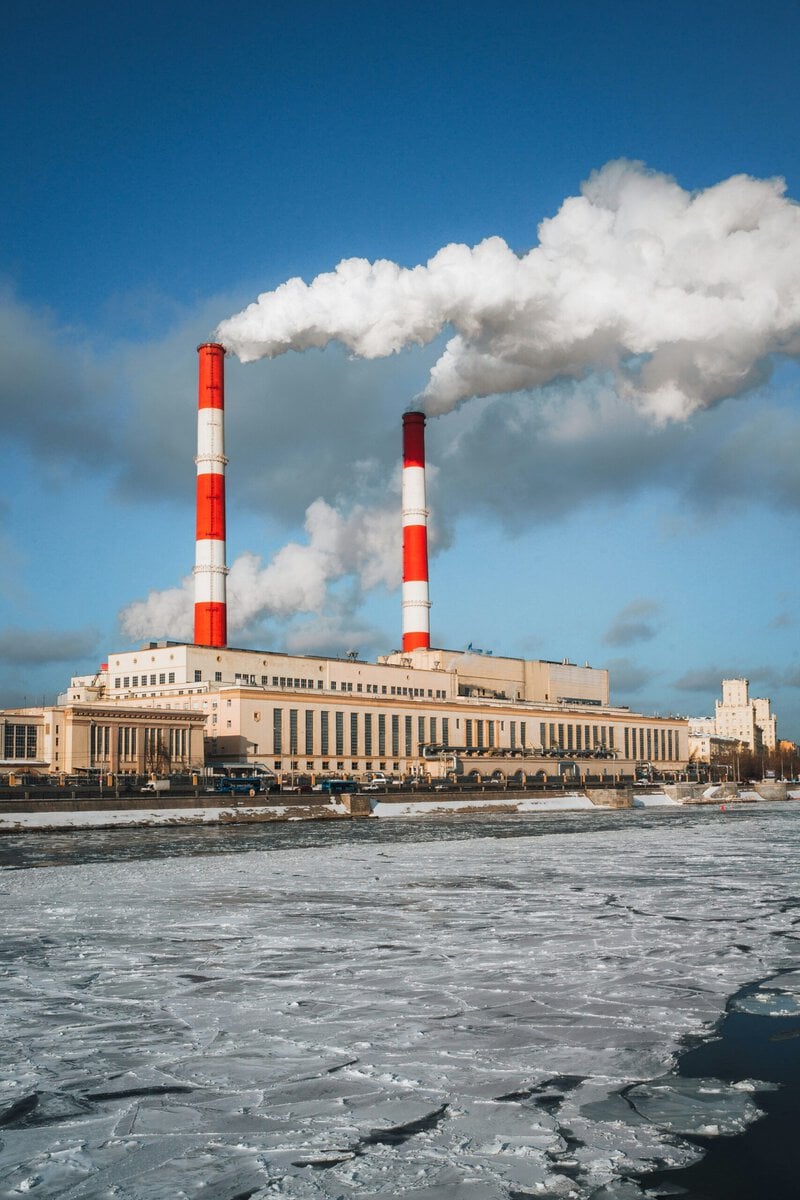
Fossil-fuel-dependent grids carry three fragilities that tend to be invisible until a crisis makes them undeniable.
- Fuel-supply disruptions: Pipelines freeze, ships are delayed, mines strike. Each upstream event translates directly into generation shortfalls downstream, because a thermal power plant cannot run without its fuel. There is no workaround; the physics are unforgiving.
- Price volatility: Fuel markets reprice continuously. During demand peaks — exactly when the grid is most stressed — spot prices can spike by orders of magnitude, and those costs flow through to ratepayers and municipal budgets alike.
- Extended recovery windows: Wells, refineries, compressor stations, and transmission pipelines are expensive and slow to repair after disasters. Purely electrical infrastructure — transformers, inverters, battery racks — generally does not share those recovery timelines, and modular components can be staged and swapped without specialist fuel-industry crews.
The Uri crisis illustrated all three simultaneously. Spot natural-gas prices at the Houston Ship Channel surged from roughly $3 per million British thermal units to over $1,200 per million BTU within days — an increase of roughly 40,000 percent — with costs ultimately passed to Texas ratepayers through utility bills and municipal bond issuances that will take years to retire. A weather event became a financial crisis because the system’s fuel exposure had no structural hedge.
Analysis published by Beyond Fossil Fuels frames the issue precisely: clean flexibility can significantly reduce dependence on gas in the power system, helping deliver electricity that is both affordable and reliable. The framing matters — decarbonization presented not as a sacrifice of reliability but as a structural hedge against the gas-market volatility that converts weather events into ratepayer emergencies.
Intermittency Is Real — and Solvable

The most common objection to renewable energy as a reliability resource is intermittency, and it deserves a fair treatment rather than a dismissal. Solar panels do not generate electricity at night. Wind turbines produce nothing in calm air. These are real engineering constraints, not myths, and grid planners must account for them rigorously.
The primary engineering response is portfolio diversification — a principle borrowed directly from financial risk management. When solar generation falls in one region at dusk, wind generation in a different region or time zone may be at or near its peak. Long-distance high-voltage direct-current transmission lines can move that surplus power across the continent. A grid drawing on geographically and technologically diverse sources smooths its aggregate supply curve in a way that no single large dispatchable plant can replicate on its own.
Grid-scale battery storage adds a second layer of buffering. Lithium-iron-phosphate battery installations — now operational across California, Texas, and the United Kingdom — can respond to frequency deviations within milliseconds, providing grid-stabilization services that previously required natural-gas peaker plants kept idling at low efficiency around the clock. Every idling peaker represents stranded capital and wasted fuel; storage replaces that idle capacity with a resource that earns revenue by responding to real-time grid signals.
It is important to be precise about what the evidence does and does not establish. That storage and geographic diversity substantially reduce intermittency risk is well-supported engineering consensus. Whether battery storage alone — at current costs and energy densities — can fully replace gas firm capacity during extended low-renewable periods, such as multi-day winter wind lulls, is still actively debated. Long-duration storage, demand response, and potentially green hydrogen are all part of that ongoing conversation, and any honest account of the transition must hold space for that complexity.
EROI: The Hidden Structural Advantage of Renewables
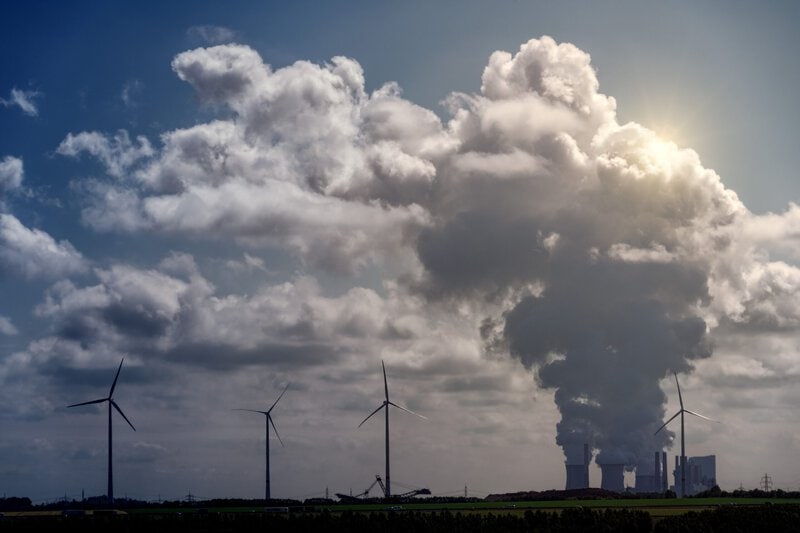
A second analytical tool worth understanding is EROI — Energy Return on Investment — the ratio of usable energy delivered to energy consumed in extraction, processing, and delivery. Research surveyed by energy analyst Art Berman finds that the EROI of fossil-fueled electricity at the point of end use is often lower than that of photovoltaic solar, wind, and hydroelectric generation. In practical terms, fossil systems expend a relatively large share of the energy they produce simply getting energy to consumers — a structural inefficiency baked into the extraction-and-combustion model that compounds across the entire supply chain.
An electrification strategy built on renewables is therefore not just cleaner but energetically more efficient at the system level — an advantage that grows as the energy transition matures and manufacturing learning curves continue to reduce the embedded energy cost of solar panels and batteries.
EVs as Grid Assets: The Distributed Battery Network Nobody Counted On

Electric vehicles are routinely described in grid-stability debates as a threat — millions of new large loads arriving simultaneously on an already-stressed system. That description is incomplete in an important way. The average U.S. passenger vehicle sits parked roughly 95 percent of the time. During those hours, its battery is doing nothing useful for the grid.
Vehicle-to-Grid (V2G) technology — bidirectional chargers that allow an EV battery to discharge electricity back into the grid or directly into a home — transforms that idle asset into distributed storage. Utilities including Pacific Gas & Electric in California have run V2G pilot programs, and Nissan has partnered with utilities in Japan and the United Kingdom to test the concept with Leaf owners. The resilience use-case is concrete: during a regional blackout, a neighborhood of V2G-enabled EVs could power critical household loads — refrigerators, medical devices, internet routers — for hours or potentially days without requiring a centralized backup generator.
The honest assessment is that V2G remains a rapidly advancing technology still operating largely in pilot phases. Standardization of bidirectional charging hardware across manufacturers, utility rate structures that compensate EV owners fairly for grid services, and cybersecurity protocols for managing a distributed fleet are active engineering and regulatory challenges. V2G is not yet a deployable resilience solution at scale, but the trajectory is consistent and the underlying physics are well understood.
Rooftop Solar Plus Storage: The Resilience Layer Nobody Can Switch Off
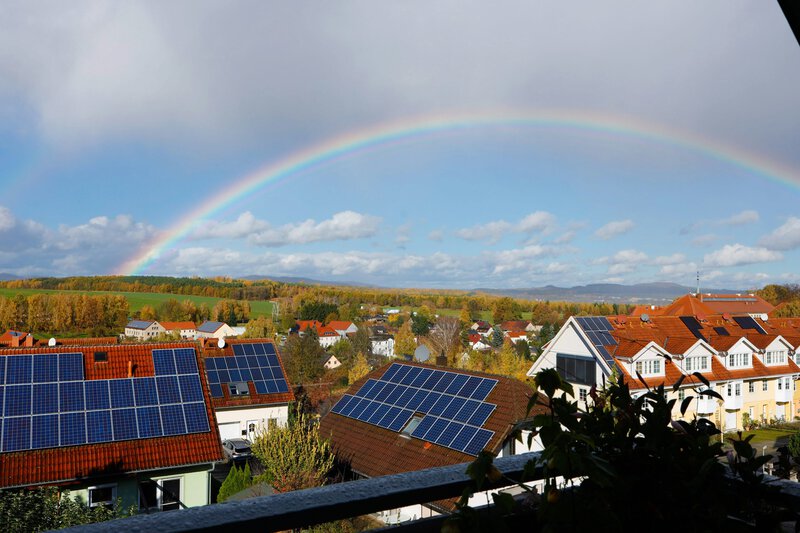
Paired rooftop solar and battery systems carry a capability that most grid discussions underemphasize: island mode. When the central grid fails, a properly configured solar-plus-storage system can automatically disconnect from the larger network and continue powering the structure it serves independently. This is not a theoretical feature. After Hurricane Maria devastated Puerto Rico’s central grid in 2017, households and businesses with paired solar and battery systems remained operational for weeks in some cases, while the surrounding community waited months for grid restoration.
The systemic benefit of widespread distributed generation extends beyond individual households. When generation is spread across thousands of rooftops, peak load on transmission lines decreases, reducing the probability of the cascading overloads that underlie most large-scale blackouts. Grid operators managing a restoration also face a simpler problem: fewer overloaded high-voltage nodes to sequence back online, and a population of self-sufficient distributed generators that reduce the urgency of reconnection for individual customers.
One equity caveat must be stated clearly. Rooftop solar adoption has historically concentrated among higher-income homeowners who can afford upfront installation costs and who own rather than rent their buildings. The resilience benefits described above are not automatically distributed equitably. Community solar programs — shared arrays that credit low-income renters for electricity produced off-site — and targeted low-income battery storage incentives are the policy instruments designed to close that gap. This is an active area of policy debate, not a solved problem, and any honest account of distributed resilience must acknowledge it.
What Has to Happen Next: Three Interlocking Changes
Grid experts across the political and institutional spectrum broadly agree on three changes that would convert the electrification opportunity into durable, structural resilience.
- Transmission expansion: Renewable generation is abundant, but it is often located far from population centers. Expanding high-voltage transmission corridors allows solar from the Southwest and wind from the Great Plains to reach eastern cities, enabling the geographic portfolio diversification that smooths intermittency at the continental scale. Permitting reform — not just capital — is the binding constraint in many corridors.
- Market redesign: Current wholesale electricity markets were designed around large, dispatchable fossil plants. Compensating storage, demand flexibility, and V2G as genuine reliability resources requires updated market rules — a regulatory undertaking underway at the Federal Energy Regulatory Commission and in several state utility commissions, but far from complete. Getting the market signals right determines whether private capital flows toward or away from the resilience infrastructure the grid needs.
- Updated building and vehicle codes: Mandating bidirectional charging readiness in new construction, solar-ready conduit in new buildings, and battery-backup provisions in critical facilities embeds resilience capacity into the built environment at the lowest possible cost — during construction, before the retrofit expense arrives. The cheapest resilience investment is the one made before the crisis, not after it.
The policy framing offered by Beyond Fossil Fuels — treating clean flexibility as a reliability tool rather than solely a climate instrument — has practical political value that should not be underestimated. It allows resilience-focused policymakers and cost-conscious utilities to align with decarbonization goals on grounds that do not require agreement on climate science. The Texas winter-storm failure was persuasive to audiences who would not have been moved by emissions statistics alone, and that lesson belongs in every legislative briefing on grid modernization.
The Honest Bottom Line
The evidence does not support the claim that electrification inherently weakens grid stability. The structural vulnerabilities exposed by Winter Storm Uri — fuel-supply dependence, price volatility, correlated single points of failure — are properties of the current centralized fossil infrastructure, not of grids as such. Distributed solar, grid-scale storage, and vehicle-to-grid networks represent an architecture that is more redundant, more insulated from fuel-price shocks, and — per the EROI research — energetically more efficient than what it would replace.
The transition involves real engineering challenges, substantial upfront capital costs, genuine policy complexity, and equity questions that remain unsolved. Calibrated optimism is warranted; hype is not. The science and economics increasingly favor electrification as a resilience strategy, but the pace and fairness of that transition depend on decisions being made right now — in legislative chambers, utility boardrooms, and city planning offices — by people who have not yet been asked to frame the choice as being fundamentally about resilience. That reframing is overdue.