
Every 33 seconds, someone in the United States dies from heart disease. That statistic has become both a moral challenge and a scientific mandate for researchers entering cardiovascular medicine today — and it is reshaping how institutions fund, train, and credential the scientists they hope will change it.
An Early-Career Scientist Earns National Recognition
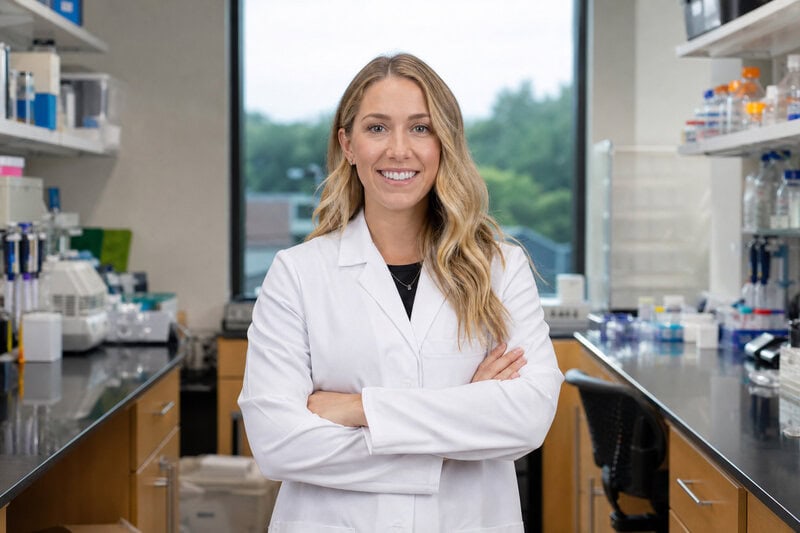
Chelsea Phillips, a postdoctoral associate at the Fralin Biomedical Research Institute at VTC (Virginia Tech Carilion), has been recognized as part of a nationally competitive group of early career scientists advancing heart disease research — a distinction that carries real professional weight in a field where independent funding is both scarce and career-defining. Her recognition reflects a broader moment in cardiovascular science, one in which early-career researchers are being deliberately recruited, funded, and peer-validated at a scale the field has not previously attempted.
Phillips conducts her work at a translational research center explicitly designed to accelerate the journey from laboratory discovery to clinical application. Translational research, in practical terms, means scientists studying the molecular behavior of heart muscle cells work in close proximity to clinicians treating patients with the diseases those cells drive. That proximity shapes the questions researchers ask and sharpens the relevance of the answers they pursue.
What a National Fellowship Actually Requires
National cardiovascular research fellowships are not honorary titles. Programs like the American Heart Association’s predoctoral fellowship require applicants to produce a rigorous scientific proposal, a detailed training plan co-developed with a mentor and mentoring team, and a clear articulation of why the proposed work matters — before a single experiment is run. That structure is intentional: it filters for scientists who can defend not just what they want to study but how they will study it and who will guide them when the work becomes difficult.
The Thad and Gerry Waites Rural Cardiovascular Research Fellowship, administered by the American College of Cardiology, raises the stakes further. It provides up to $100,000 to support an early-career cardiovascular clinician who demonstrates a specific and documented commitment to serving and studying rural populations — a group historically underrepresented in both clinical trials and federal funding streams.
For a postdoctoral associate navigating the structurally precarious space between graduate training and an independent faculty position, winning a competitive national fellowship is not merely prestigious. It signals to future employers, grant review panels, and scientific collaborators that a scientist’s independent research identity has been peer-validated before a faculty appointment materializes. In a funding environment where competition is intense and attrition from academic science is highest at precisely this career stage, that signal is practically essential.
The Science: What These Researchers Are Actually Investigating
One high-priority frontier in contemporary cardiovascular research is thrombosis — the formation of blood clots that block arteries and trigger heart attacks and strokes. The Kenneth M. Brinkhous Early Career Investigator Prize in Thrombosis from the American Heart Association recognizes outstanding research into the mechanisms of clot formation and resolution — areas where molecular-level discoveries can eventually inform new anticoagulant therapies, though researchers are careful to distinguish promising early findings from proven treatments.
Across the field, cardiovascular research is moving upstream. Rather than intervening after decades of arterial damage have accumulated, the newest generation of studies examines inflammatory signaling, the behavior of endothelial cells lining blood vessel walls, and genetic risk variants that predispose individuals to cardiovascular events long before any symptom appears. This mechanistic work does not replace established clinical guidelines — recommendations from the American Heart Association on diet, exercise, and statin use rest on decades of randomized trial data and remain the standard of care — but it opens new questions about why some individuals develop disease despite following those guidelines.
An important honest distinction applies here: mechanistic findings from laboratory models are the raw material from which future therapies are built, not therapies themselves. A molecular target identified in a cell or animal model must survive replication, further animal studies, and multiple phases of clinical trials before it can reach a patient — a process that routinely takes a decade or more even when early results are compelling.
Why Geography Has Become a Cardiovascular Risk Factor
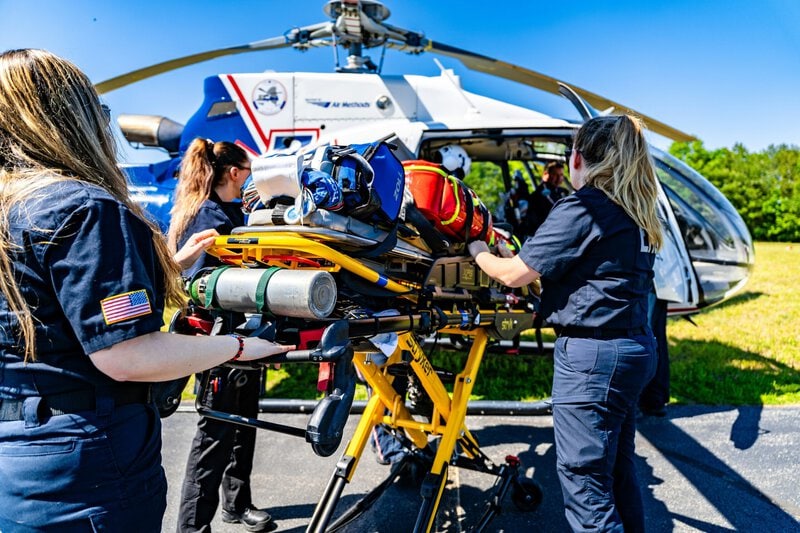
Rural Americans die from cardiovascular disease at disproportionately higher rates than urban residents. The disparity is driven by converging, well-documented factors: reduced access to cardiologists and cardiac care centers, longer emergency transport times that worsen outcomes for heart attacks and strokes, lower rates of preventive screening, and higher prevalence of risk factors including smoking, obesity, and uncontrolled hypertension. These patterns have persisted in part because clinical trials and research funding have historically concentrated in urban academic medical centers.
The Waites Fellowship was created to address this gap directly. By funding clinician-researchers who commit to studying and serving rural populations, the program aims to generate both an evidence base that rural cardiovascular care currently lacks and a trained workforce capable of acting on that evidence. Early-career scientists who specialize in rural cardiovascular research face a dual challenge: producing rigorous science while developing findings that can actually be implemented in under-resourced clinical settings. That constraint, when navigated well, tends to produce unusually practical research questions — and researchers unusually prepared to translate answers into care.
How the Fellowship Pipeline Shapes Cardiovascular Medicine’s Future
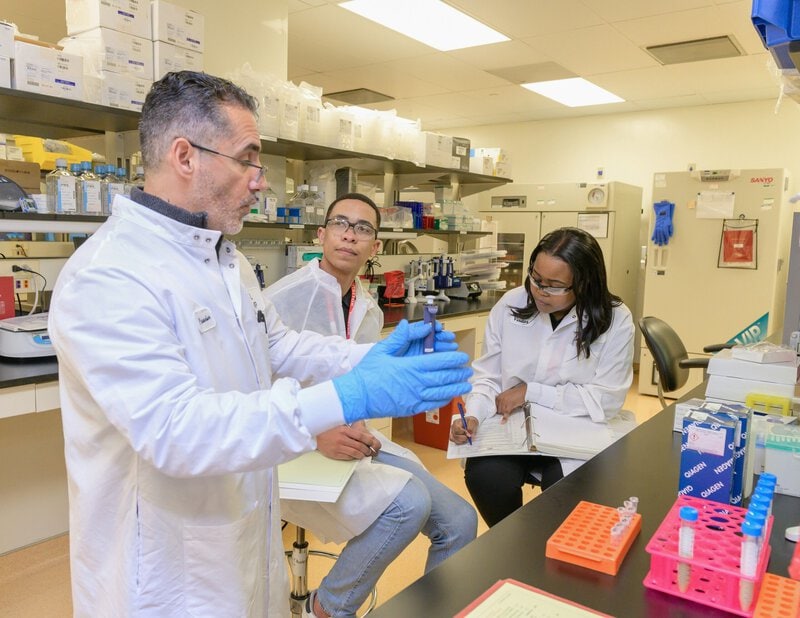
The scientists earning fellowships today are, by the logic of the field’s own historical record, the principal investigators who will design tomorrow’s landmark clinical trials. What postdoctoral researchers study in 2025 shapes what therapies exist — or do not exist — for patients in 2040. The fellowship-to-faculty pathway is the primary mechanism through which research priorities are set for decades at a time.
By directing funding toward early-career scientists rather than established laboratories, programs like the AHA predoctoral fellowship and the Waites fellowship are placing a deliberate institutional bet on scientific diversity. Newer researchers are more likely to challenge inherited assumptions about disease mechanisms and to identify neglected questions that senior investigators have come to treat as settled. That intellectual freshness does not guarantee breakthroughs, but it is a necessary condition for them.
There is also a retention dimension. Structured mentorship — of the kind embedded in competitive fellowship applications — has been associated with improved retention of scientists from underrepresented groups at the career stage when attrition is highest. A more diverse research workforce is more likely to pursue the full range of questions that cardiovascular disease demands, including questions about populations and mechanisms that have historically been understudied.
Honest Caveats and Reasons for Measured Optimism
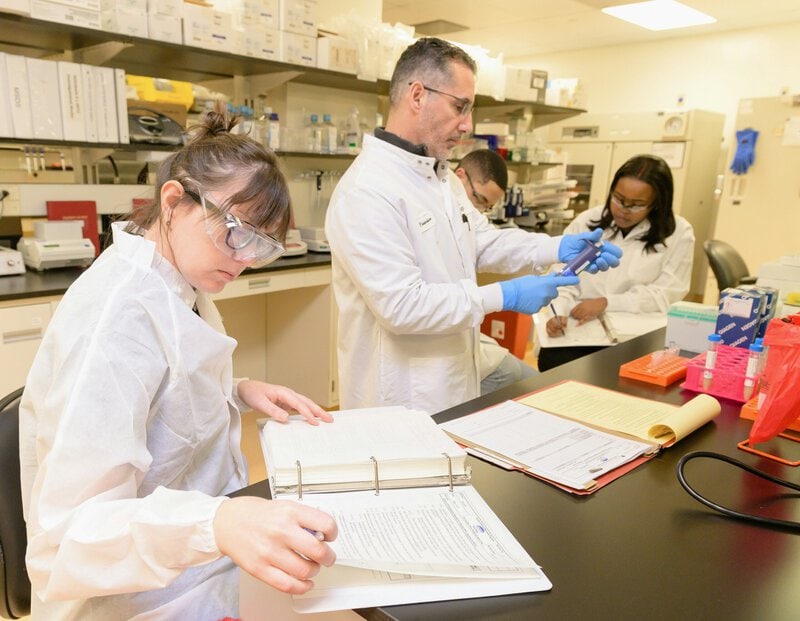
The clearest accurate framing of what early-career cardiovascular scientists are delivering right now is not cures but refined hypotheses and candidate mechanisms — the necessary foundation from which future therapies are built. Describing a laboratory finding as a near-term treatment does a disservice both to the science and to patients seeking accurate information about what is coming and when.
Sustained investment in fellowship programs is also a variable, not a fixed resource. Funding cycles shift, political priorities change, and competition from other disease areas is persistent. The pipeline supporting researchers like Phillips depends on continued institutional and public commitment — a fact worth naming plainly in any honest assessment of the field’s trajectory.
The clearest reason for measured optimism is structural. More early-career scientists are now being trained, funded, and peer-recognized in cardiovascular research than at any prior point in the field’s history. The problems they are pursuing — clot biology, inflammatory signaling, rural health equity, genetic risk prediction — are precisely the frontiers that the field’s established leaders have identified as highest priority for reducing cardiovascular mortality. Whether that alignment of talent, funding, and scientific focus produces the next meaningful reduction in heart disease death rates will not be visible in the next news cycle. It will become clear over the next generation of science.